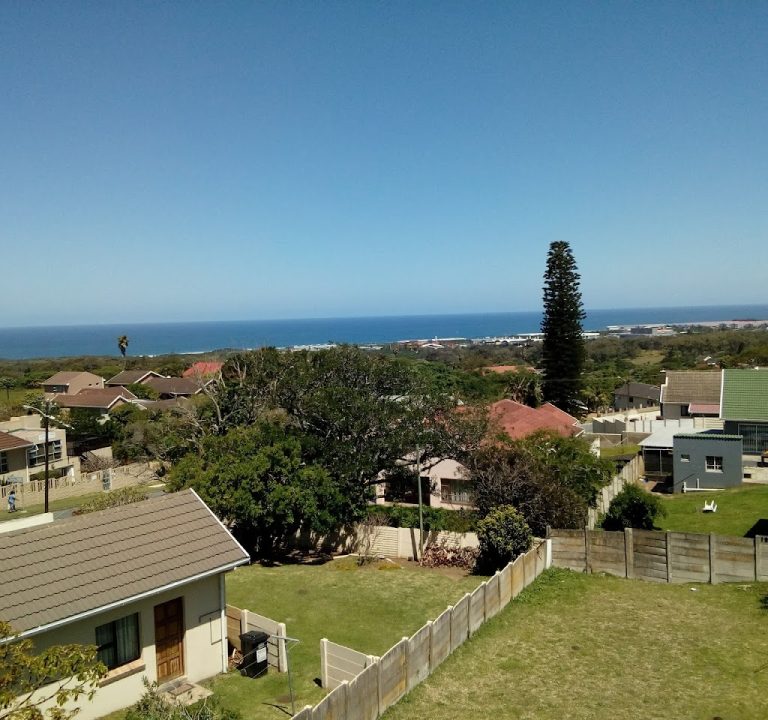
East London, Eastern Cape: a traveller’s guide to accommodation and experiences
East London in the Eastern Cape offers a welcoming blend of coastal charm and urban convenience, making it a practical base for a relaxed South African break. The city is known for its long beaches, a lively waterfront precinct and easy access to the surrounding villages and natural scenery. When planning a stay, consider a neighbourhood that suits your style, whether it’s a beachfront apartment near the promenade, a quiet guesthouse tucked away in leafy streets, or a modern city hotel in the heart of town. Each area has its own rhythm and close-to-hand amenities that can shape your days and evenings.
Where to stay matters as you map out your itinerary. The coastal fringe along the ocean offers options that put you within easy reach of the beach, coffee shops and casual eateries. The city centre and nearby suburbs provide convenient access to shops, transport links and longer day trips to the surrounding rough-cut countryside. For a more serene break, look for properties set back from the main routes, with parking or reliable transport options, so you can enjoy restful evenings after sunny days along the coast.
Typical amenities to look for when booking include secure parking or easy street parking, reliable Wi‑Fi, and guest facilities such as a continental or full breakfast, a tidy communal area, and helpful reception staff. If you value self-catering, many apartments and guesthouses offer kitchen facilities or self-contained units with a small kitchenette. For business or longer stays, suites with workspace, larger living areas and laundry facilities can be particularly useful. Don’t overlook access to sensible heating or cooling for the climate, as East London’s weather can swing with the seasons.
Transport options in East London are a practical consideration. A hire car is often the easiest way to explore beyond the immediate urban area, enabling day trips to nearby beaches, nature reserves and coastal towns. If you prefer not to drive, check whether your accommodation offers convenient access to local taxis or ride-sharing services. The city’s public transport network is useful for shorter hops, but planning a few back‑ups in advance helps ensure smooth travel on busy days, especially during peak tourist periods.
Best time to visit East London depends on your priorities. The warmer months, roughly from late spring to early autumn, are ideal for beach days, outdoor activities and waterside dining. Late summer can bring lively atmosphere and sea breezes, while winter offers cooler evenings and quieter streets, great for long walks along the shore or a cosy meal at a riverside venue. Weather can be changeable, so packing layers and a light rain jacket is sensible year-round. Whale watching and marine life viewing opportunities can be seasonally dependent, so if wildlife is your focus, plan around local natural patterns and available tours.
When planning experiences, think beyond the beaches to a mix of culture, food and nature. You might begin with gentle walks along the coastline or a seaside promenade, followed by a visit to a local museum or gallery that highlights regional history and craft. The dining scene tends to favour relaxed, family-friendly eateries and cafés serving freshly prepared fare, including seafood and seasonal dishes. In the evenings, you’ll find spots offering classic South African favourites, wine and craft beverages, often with a friendly, informal vibe. If you enjoy markets, craft stalls and live music, time your stay to coincide with weekend events that showcase local talent and produce.
Practical planning tips for a smooth stay:
- Book early for peak seasons, especially in coastal months when demand for accommodation rises.
- Check for near‑beach access or easy walking routes to avoid overuse of transport in busy periods.
- Review cancellation policies and any cleaning or safety protocols ahead of arrival.
- Ask hosts about recommendations for day trips, local markets and family-friendly activities.
- Consider a mix of lodging types (guesthouse, boutique hotel, apartment) to balance social opportunities with privacy.
In terms of planning your stay’s structure, you could anchor your trip with a couple of nights near the central beachfront or Quigney area for easy access to the coast, then allocate a few days to explore nearby shorelines, nature reserves and towns along the coast. If you enjoy outdoor pursuits, seek accommodation with information on safe walking routes, surf schools, or guided nature walks. For a family-friendly visit, look for properties with space for children, safe streets, and nearby parks or beaches where little ones can play under supervision.
For a well-rounded stay, pairing your accommodation with light, flexible itineraries works well. A typical day might begin with a relaxed breakfast, a stroll along the water, a short cultural stop, lunch at a casual venue, and an afternoon at the beach or a scenic drive along the coast. Evenings can feature a casual dinner spot with views of the water or a cosy, intimate venue with a warm atmosphere. A flexible plan helps you respond to weather, mood and local recommendations, making the most of your time in East London.
Ground X Hotel, a contemporary city hotel option, exemplifies the kind of stay that blends central access with comfortable amenities. While the city offers a range of accommodation styles, the key to a satisfying visit is balancing convenience, comfort and character. With thoughtful selection, your East London break can combine breezy coastal days with relaxed evenings, exploring the region’s laid-back hospitality and natural beauty.