Accommodating East London, Eastern Cape: Where to stay and how to plan your visit
East London in the Eastern Cape is a friendly, sun-soaked coastal town with a waterfront vibe and a mix of self-catering stays, guesthouses, and laid‑back lodges. When planning a stay, consider the rhythm of the city, the type of experience you want, and how you’ll move around. The area rewards visitors who balance time between the shore, the river, and inland landscapes, with options that range from compact apartment-style units to tucked-away guesthouses near the neighbourhoods of the coast and the inland suburbs.
Accommodation options in East London cover self‑catering stays, B&Bs, and smaller boutique lodges that cater to families, couples, and solo travellers. A self‑catering option such as Mpondo Guest House can be convenient for travellers who prefer a flexible schedule and the comfort of home‑like facilities. When choosing a place to stay, look for a well‑equipped kitchen or kitchenette, reliable Wi‑Fi, private entry, and clear housekeeping routines. If you plan long stays or frequent day trips, an option with parking, easy accessibility, and proximity to main roads or public transport links can save you time and stress.
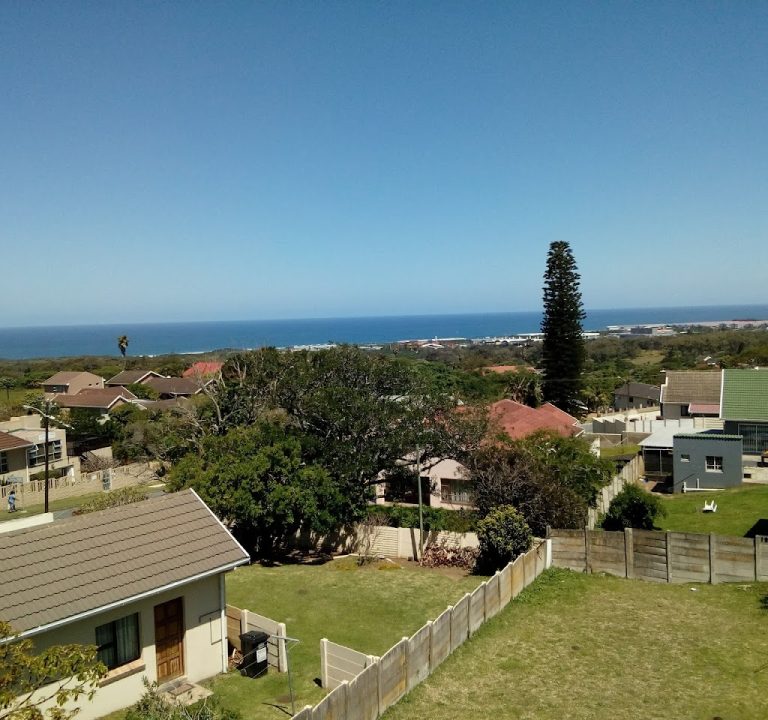
Areas to consider include the coastal corridor near safe, sandy beaches and promenades, as well as inland suburbs where you’ll find more quiet residential vibes and self‑contained units. Staying near the coast can make beach days and sunset strolls effortless, while a central or inland base may cut down on transit time for day trips to nearby natural attractions or local markets. When evaluating accommodation, check access to air‑conditioning for hot summers, heating for cooler evenings, and outdoor spaces such as patios or verandas that suit a relaxed, al‑fresco holiday.
Typical amenities you may encounter include: fully equipped kitchens or kitchens within self‑catering units, laundry facilities, secure parking, towels and linen, and on‑site or nearby laundry services. Many guesthouses offer complimentary breakfast options or basic kitchen provisions. For families, options with separate sleeping areas, child‑friendly spaces, and proximity to family beaches or parks can be advantageous. For couples and travellers seeking privacy, look for en‑suite bathrooms, private entrances, and sound‑proofing in rooms. When booking, ask about cancellation policies, house rules, and whether housekeeping is included during your stay.
Transport in East London is practical for visitors who want to explore the coastline and hinterland. The city has a regional airport nearby, and car hire is a common choice for travellers who want the freedom to explore. Public transport serves the broader area, but schedules can be infrequent outside peak hours. If you plan to drive, verify parking arrangements with your accommodation and consider distances to beaches, markets, and dining precincts. For those relying on trains or buses, check proximity to stops or stations and whether the lodging offers a shuttle service or reliable taxi links.
The best time to visit East London depends on your preferred climate and activities. Summers (December to February) are warm and ideal for beach days, water sports, and outdoor exploring along coastal paths. Autumn (March to May) brings pleasant temperatures and fewer crowds, while spring displays coastal flora in bloom. Winter (June to August) can be cooler and breezy, with potential for outdoor adventures that require a light jacket. If you’re planning outdoor activities such as hiking or birdwatching, aim for the shoulder seasons when trails are less crowded and the weather is agreeable.
Practical planning tips to make the most of your stay:
- Book accommodation with clear, flexible cancellation policies when travel plans are uncertain.
- Choose a base that minimises daily travel time to the activities you want to enjoy, whether coastal days, riverfront walks, or inland nature reserves.
- Check access to beaches and safety features, such as lifeguards, flagged swimming zones, and shade or shelter for hot days.
- Consider a balanced itinerary that includes rest days, local markets, and a couple of restaurant experiences to sample regional flavours.
- Pack sunscreen, hats, and hydration plans for long days outdoors, especially during the hot season.
- Respect local norms and environmental guidelines, especially in coastal and nature areas.
While planning your itinerary, you’ll find a mix of attractions that offer both relaxation and discovery. Coastal promenades provide scenic walks with sea views and opportunities for casual dining by the shore. Inland routes reveal rolling landscapes, vantage points, and community spaces that showcase the region’s warm hospitality. Dining options generally focus on seafood and traditional South African fare, with broader menus that cater to varying dietary needs. For a rounded visit, structure time for beach days, a visit to local museums or cultural centres, and a relaxed evening of dining and neighbourhood strolls.
For more information about East London and its visitor experiences, you can explore official tourism pages and reputable travel guides that highlight practical tips, suggested itineraries, and practical planning advice. When booking, verify what is included in the rate, whether there are nearby supermarkets or cafés for self‑catering stays, and how to access public transport or taxis from your chosen base. East London welcomes travellers with a coastline of easy days and friendly discoveries, ready to be explored at a comfortable pace.