Cape Town: Accommodation, Attractions and Planning Your Stay
Cape Town is a city of contrasts, where dramatic coastlines meet lush winelands and vibrant neighbourhoods. Whether you prefer a boutique stay with a personal touch or a larger hotel with sweeping views, the destination offers accommodation to suit most tastes and budgets. When planning your visit, think about what you want to be close to—nature, city culture, or a relaxed beach atmosphere—and how you plan to get around the city and beyond.
Choosing an area is one of the most important decisions when booking. The City Bowl sits at the heart of Cape Town, offering easy access to restaurants, historic streets, and urban energy. Green Point and the V&A Waterfront provide waterfront views, modern conveniences, and good transport links. Nearby Camps Bay and Clifton are famed for their beaches and sunset scenery, while Woodstock and the Silo District appeal to travellers seeking hip, artsy venues and a shorter ride to the city centre. For a more laid‑back neighbourhood with a village feel, Bantry Bay and Sea Point offer scenic promenades and a quieter stay without sacrificing convenience. Consider how long you plan to spend socialising, exploring, and simply unwinding, as this will help you pick a base that minimises daily transfers.
Typical amenities to look for include reliable Wi‑Fi, secure parking or easy access to public transport, breakfast options, and thoughtful extras such as guest lounges, well‑equipped kitchens, or spa facilities. In a city like Cape Town, some properties offer curated experiences or guided walks, which can be a real time‑saver if you want a flavour of the city without researching every detail yourself. If you are visiting in peak season, book well in advance for popular districts and seek out properties with flexible terms in case plans change.
Transport is a key planning factor. The MyCiTi bus network covers many central routes and can be a convenient budget option for central stays. For sites farther afield—such as the Cape Peninsula’s most dramatic viewpoints or the winelands—renting a car offers flexibility, though many visitors rely on guided tours or private transfers to reduce driving stress. If you’re staying near the V&A Waterfront or the City Bowl, taxis or rideshare services typically provide straightforward access to major attractions and restaurants without the hassle of parking in busy areas.
When to visit? Cape Town has a temperate climate with a pronounced dry season in the summer months. The best time to visit for outdoor activities is generally from late spring to early autumn (October to April), when the days are longer and the countryside is lush. Winter visitors should pack a flexible wardrobe for cooler evenings and the possibility of sudden showers. Early morning or late afternoon light is ideal for photographs of Table Mountain and coastal scenery, so plan outdoor activities around these times to maximise visibility and comfort.
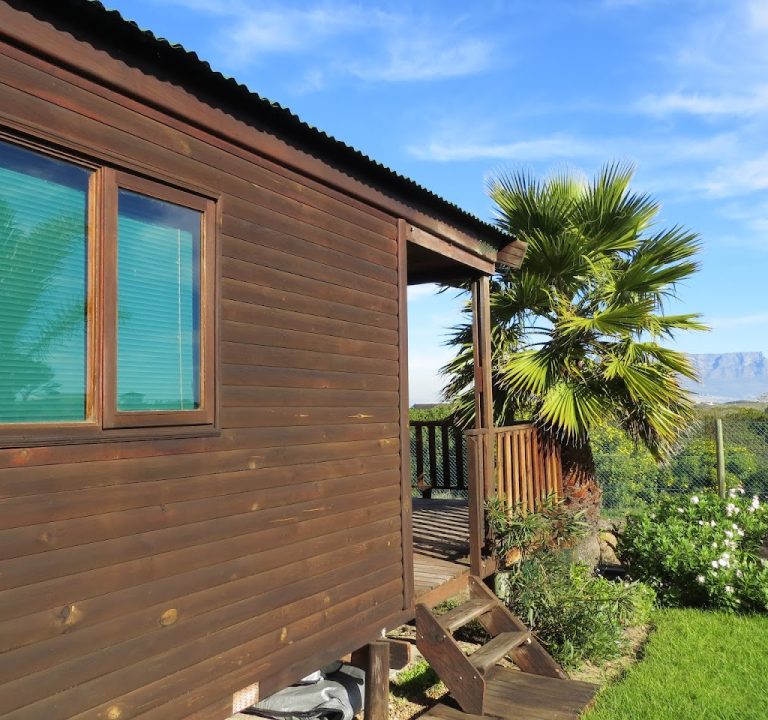
Accommodation types span from contemporary hotels with balconies and pools to cosy guesthouses and specialised lodges in quieter suburbs. Boutique options can offer personalised service, homey breakfasts, and a sense of place that reflects Cape Town’s culture. If you are travelling with family or a group, look for larger suites or apartment-style stays with separate living spaces and kitchen facilities. For couples seeking a romantic break, rooms with sea or mountain views, private terraces, or intimate dining arrangements can be appealing features. Practical considerations include accessibility, safety, noise levels from nightlife, and proximity to your planned itineraries.
Explore a mix of experiences within a short distance of your base. Iconic natural attractions such as Table Mountain and the surrounding nature reserves offer cable car rides and hiking routes for different fitness levels. The Cape Peninsula, with its panoramic coastal drives, is ideal for day trips, while the Cape Winelands provide tranquil escapes into wine estates and cellar doors. For urban immersion, stroll through historic districts, markets, and museums, then dine at a variety of restaurants that celebrate South African flavours, fresh seafood, and Mediterranean influences. Always check opening times and whether reservations are recommended, especially on weekends and holidays.
Practical tips for a smooth stay:
- Pack layers for changing weather, particularly if you plan to visit the waterfront or outdoor viewpoints where a breeze can feel cool even on sunny days.
- Book popular activities in advance, such as a Table Mountain visit or a guided township or winelands tour, to secure your preferred times.
- Respect local etiquette and safety guidelines, keep valuables secure, and use reputable transport options, especially after dark.
- Bring adaptability for meal times; Cape Town’s dining scene ranges from casual markets to fine dining, with many venues offering contemporary South African flavours.
- Check whether your accommodation offers shuttle services or partnerships with local tour operators, which can simplify transfers to airports and attractions.
For inspiration and practical planning, consider visiting official tourism resources to understand current events, seasonal highlights, and practical travel tips. Cape Town is a destination that rewards a well‑paced itinerary, a flexible mindset, and a sense of curiosity about its landscapes, culture, and gastronomy. Whether you stay in a stylish hotel on the foreshore, a characterful guesthouse in a leafy suburb, or a coastal retreat with sea views, your stay can be a gateway to memorable experiences in the Western Cape.