Staying in Cape Town: Accommodation and a Guide to Experiences
Cape Town, set against the dramatic backdrop of Table Mountain and framed by the Atlantic Ocean, offers a diverse mix of guesthouses, BnBs, lodges and boutique hotels to suit every traveller. Whether you crave a seaside escape on the Atlantic Seaboard, a central base in the City Bowl, or a wine-country retreat in Constantia, planning a stay that balances comfort, location and access to the city’s many attractions is key.
When choosing where to stay, consider what you want to do most. If you intend long beach days and gentle coastal strolls, a room on the Atlantic Seaboard or in Camps Bay provides easy access to swimming beaches and sunset vistas. For a more urban experience, the City Bowl offers convenient proximity to museums, markets, cafés and the bustling nightlife. For day trips to wine farms, Kirstenbosch, and leafy estates, Constantia and nearby neighbourhoods deliver peaceful surrounds with convenient road links to the city centre.
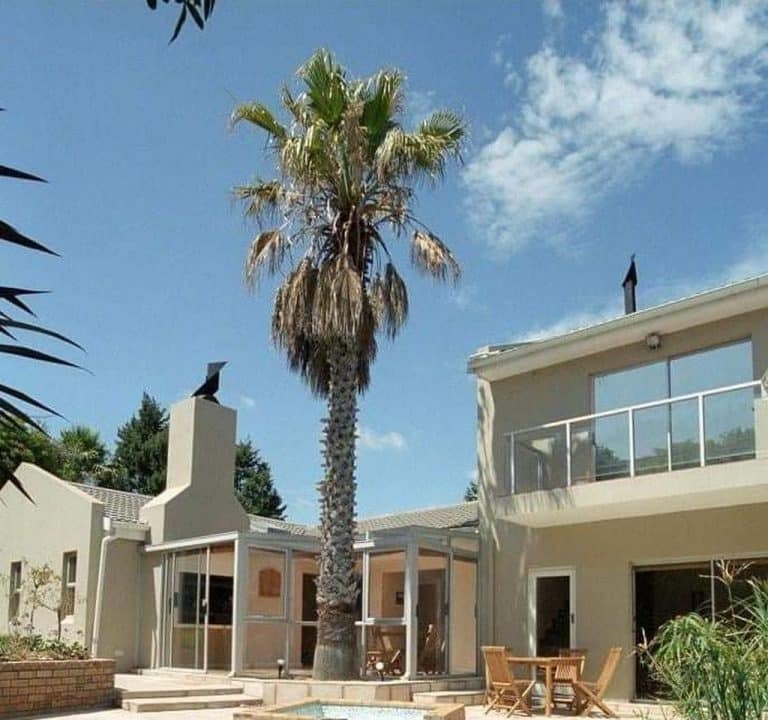
Typical accommodation features you can expect include private en-suite bathrooms, high-speed Wi‑Fi, good filtration of city noise, and stylish communal spaces. Many guesthouses emphasise personalised service, with hosts available to share local tips on dining, markets and day trips. Look for characterful touches such as verandas, gardens, or rooftops with views of the city or sea. If you value self-catering options, some properties offer kitchen facilities or self-contained suites, which can be particularly convenient for families or longer stays. For a flavour of local hospitality, you may come across guesthouses described as comfortable, well-run and well located, with thoughtful extras like secure parking and easy access to public transport.
Grey Guesthouse is an example of the region’s guesthouse modelling, where attention to guest comfort and a central position are paired to create a relaxing base from which to explore. While each property has its own character, the aim remains the same: a welcoming home-from-home that makes it easy to step out into the city’s many experiences and return to a calm, well-appointed space in the evenings.
Transport is a practical consideration in planning your stay. Cape Town’s MyCiTi bus network and an improving Uber/ride-hailing scene offer straightforward ways to travel between major sights and neighbourhoods. If you hire a car, you’ll have flexibility to explore beyond the city centre, including the Cape Peninsula’s coastal routes and nearby wine districts. When staying in central areas, check whether your accommodation offers parking or easy access to public transport; for coastal areas, proximity to beaches and walkways may influence your daily plans.
The best time to visit Cape Town depends on what you want from your trip. Summer (December to February) delivers warm days and lively city beaches, with outdoor markets and festivals. Autumn (March to May) brings mild weather and quieter streets, ideal for exploration without peak heat. Winter (June to August) is cooler and occasionally wet, but offers dramatic scenery along the Atlantic coast and excellent value in many guesthouses. Spring (September and October) marks renewals in gardens and a pleasant balance of heat and fresh air. Pack layers to adapt to changing conditions, especially around the rainier winter months or if you plan a cable car ride up Table Mountain when the air is misty or windy.
When booking, consider what you want to be close to. If you’re passionate about food and markets, staying near the V&A Waterfront, the Green Point area, or the city centre makes dining options within easy reach. If your focus is scenery and outdoor activities, a base near the Atlantic Seaboard or the southern suburbs gives quick access to coastal walks, scenic drives along Chapman’s Peak or the Constantia wine route, and nearby nature reserves. For families, look for spacious suites, secure parking, and snack-friendly or self-catering facilities that ease daily routines.
Facilities and amenities to look for include reliable Wi‑Fi, secure on-site parking, 24-hour reception or host availability, and clearly communicated house rules. Some guesthouses offer complimentary breakfast or a light self-serve option, which can simplify mornings before a day of sightseeing. Local guesthouses often provide maps, suggested walking routes, and conversation with hosts who can tailor recommendations to your interests, whether that’s wildlife encounters, hiking, or gourmet dining.
Planning tips to help you enjoy your stay:
- Book early for peak periods and major events, especially if you’re aiming for properties with a sea view or a central location.
- Ask about transport options and distances to attractions you want to visit; South Africa’s routes can vary in traffic and transit times.
- Check crowd levels at attractions and plan your days to avoid queues, especially at popular viewpoints and museums.
- Factor in safety and personal security, choosing well-reviewed accommodations with clear guidance on safe neighbourhoods and street-level accessibility.
- Consider water and energy usage in peak seasons; some areas encourage sustainability measures during drought periods.
Finally, Cape Town offers a wide spectrum of experiences beyond accommodation. Expect a mix of scenic drives along the coast, wine-tasting adventures in nearby estates, markets showcasing crafts and street food, and a rich culinary scene that showcases South African flavours alongside international influences. A balanced itinerary—halving days for beach or nature, with evenings devoted to cuisine and city culture—will help you make the most of your stay while keeping travel comfortable and enjoyable.