Where to stay in Cape Town: accommodation, planning and practical tips for visitors
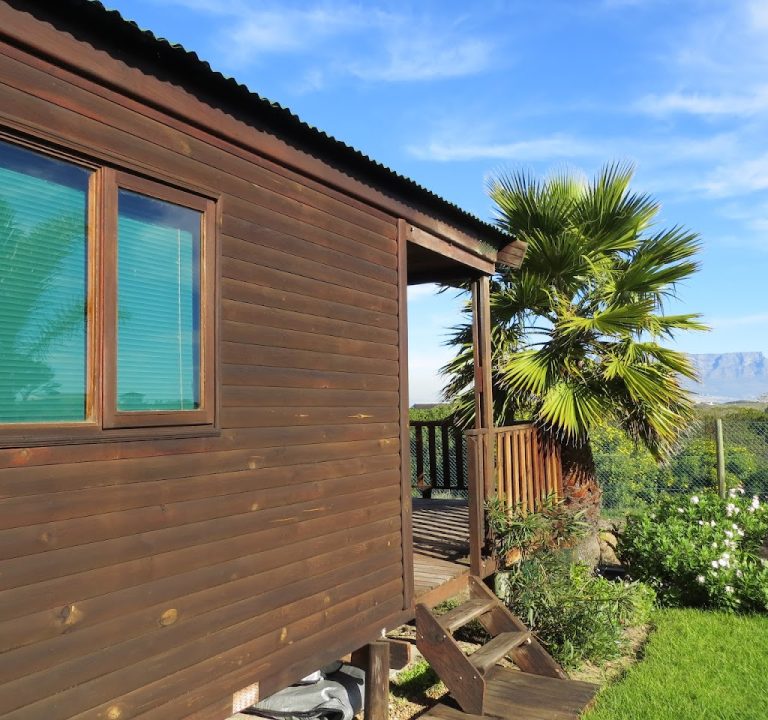
Cape Town is a city of remarkable contrasts, where soaring coastal scenery meets cosmopolitan streets and hillside vineyards. When planning a stay, consider a mix of neighbourhoods to balance convenience, views, and access to the sights you want to experience. Central areas offer easy access to museums, markets and dining, while the Atlantic Seaboard delivers dramatic coastlines and stylish beaches. For a more relaxed pace and green spaces, Constantia or the Cape Winelands are excellent choices for those seeking self‑catering options and a slower rhythm. If you are exploring family trips or longer getaways, you may want a home base that combines privacy with self‑catering facilities, such as Cape Oasis Guesthouse, a self‑catering option that can act as your home from home while you explore the region. Visit their site for more details: https://www.capeoasis.com/.
Booking considerations are the cornerstone of a successful stay. Start by identifying what matters most to you—proximity to beaches, access to Table Mountain, ease of transport, or a quiet garden setting. In Cape Town, self‑catering or boutique guesthouses often provide more space, kitchen facilities, and personalised touches than standard hotel rooms. Look for properties that advertise a well‑equipped kitchen, laundry facilities, and reliable Wi‑Fi if you plan to work remotely or share updates with friends and family. Read guest reviews with an eye for how the property handles cleanlines, noise levels, parking, and security. If you have mobility needs, check on the availability of ramps, level access, and lift access where applicable.
Area by area, you can tailor your stay to your itinerary:
- City Centre and Green Point: great for first‑time visitors who want to walk to museums, markets, and the V&A Waterfront. Expect a lively dining scene and good transport links, including bus services and rideshare options.
- Atlantic Seaboard (Camps Bay, Clifton, Sea Point): picture‑perfect coastline and sunset views, with a selection of upscale lodgings and self‑catering apartments close to beaches and cliff walks. Traffic can be a consideration in peak season, so plan accordingly.
- Constantia and the Constantia Valley: ideal for those seeking tranquillity, wine estates and garden areas. A car is often convenient here, and many properties offer private outdoor spaces and kitchen facilities for a relaxed stay.
- Southern Suburbs and the Cape Winelands (Stellenbosch, Franschhoek, Paarl): perfect for day trips from the city, with wine routes, farms and scenery. Look for guesthouses and self‑catering cottages with parking and easy access to wine estates.
- Bo‑Kaap and the V&A Waterfront vicinity: rich in history and culture, with colourful streets, markets and harbour views. Choose a neighbourhood‑style stay if you want to immerse yourself in Cape Town’s multicultural heritage.
Typical amenities to expect from well‑appointed accommodation include a well‑equipped kitchen or kitchenette, comfortable living spaces, reliable Wi‑Fi, secure parking, and clear information about local transport. In self‑catering properties, a good selection of pots, pans, utensils, and basic pantry items can make a big difference to your stay. Laundry facilities, such as washing machines or access to a communal laundry, are common in guesthouses and self‑catering homes. Some properties may offer daily or weekly housekeeping, while others emphasise privacy and independence.
Transport in Cape Town is varied and efficient, though you should plan ahead. The MyCiTi bus network is a convenient option for many routes, particularly around the city and along the Atlantic Seaboard. Taxis and rideshare services are widely available and generally reliable. If you plan to explore beyond the city, renting a car gives you flexibility to visit the Winelands, beaches, and nature reserves at your own pace. When using taxis or ride‑hailing apps, ensure you have a clear pickup and drop‑off point, especially in busy districts or at popular attractions.
Best time to visit Cape Town depends on your priorities. The spring and autumn months (September to November and March to May) offer milder weather and fewer crowds, making sightseeing and outdoor activities more pleasant. December to February brings warmer, drier conditions ideal for beaches and outdoor adventures, but expect higher prices and busier streets. Winter (June to August) is cooler and wetter, yet you can still enjoy the city’s cultural scene, museums and wine‑tasting experiences. Pack layers, sun protection for outdoor activities, and a flexible itinerary to adapt to changing conditions.
When planning your days, it helps to mix iconic attractions with local experiences. Start with a cable‑car ascent or a guided hike up Table Mountain for panoramic views, followed by a stroll around the V&A Waterfront or the historic Bo‑Kaap precinct. For nature seekers, Kirstenbosch National Botanical Garden offers woodland trails and seasonal blooms, while Cape Point provides dramatic coastal scenery and wildlife. In terms of dining, Cape Town’s restaurant scene ranges from modern interpretations of traditional flavours to vibrant waterfront eateries; you’ll find venues offering fresh seafood, game dishes, and contemporary South African fare without needing to book far in advance in shoulder seasons. Markets around the city showcase crafts, street food and regional specialities, providing a taste of local life beyond formal eateries.
Practical tips for a smooth stay:
- Book accommodation with clear check‑in instructions and proximity to reliable transport or parking.
- Confirm kitchen facilities if you plan to self‑cater, and check linen and cleaning policies for longer stays.
- Protect yourself against seasonal changes by packing a light rain jacket and sun protection.
- Plan day trips in advance, particularly to popular sites or wine estates, to maximise time and minimise backtracking.
- Respect access and safety guidelines at nature reserves and viewpoints, and stay on designated paths.
In summary, Cape Town offers a versatile range of places to stay and a wealth of experiences that suit urban explorers, families, food lovers and wine enthusiasts. By choosing the right neighbourhood, confirming practical facilities, and crafting a balanced itinerary that blends iconic highlights with local flavour, you can make the most of a memorable South African coastal city break.