Penguin Cove Sea Lodge is a Lodging establishment in Cape Town, Western Cape, South Africa
About Penguin Cove Sea Lodge, Cape Town
Perched along the coastline of Cape Town in the Western Cape, Penguin Cove Sea Lodge presents a traveller-friendly option for visitors seeking a coastal escape with access to one of South Africa’s most iconic cities. The lodge sits in a setting that pairs ocean views with the easygoing rhythm of a seaside retreat, offering a base from which guests can explore the vibrant surrounds while returning to comfortable, uncomplicated accommodation at day’s end.
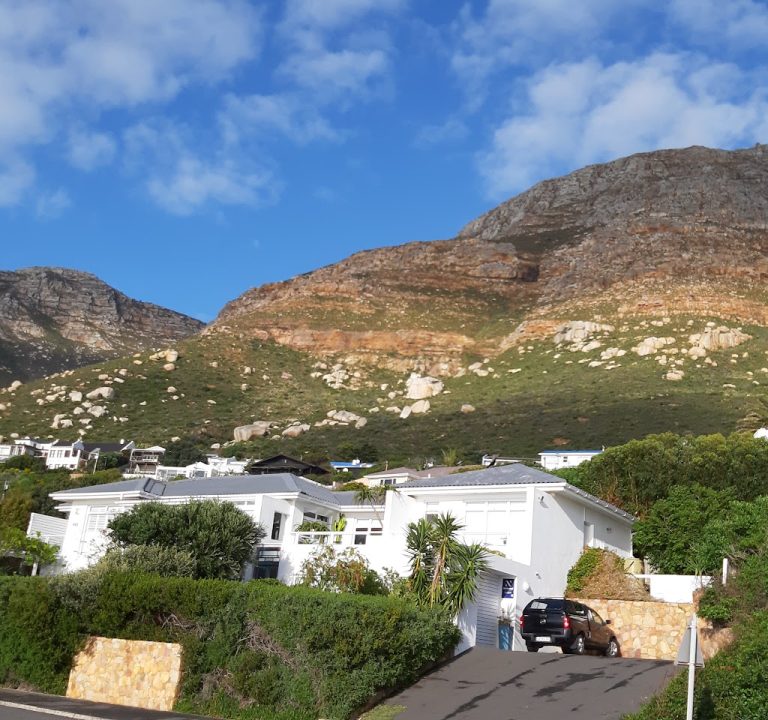
From a distance, the lodge conveys a sense of relaxed retreat rather than formal grandeur. The design and atmosphere are geared toward convenience and ease, making it an appealing choice for couples, solo travellers, and small groups alike who value a straightforward stay with proximity to Cape Town’s diverse attractions. The emphasis appears to be on restful spaces and a welcoming ambience, suitable for those who prefer a low-key, restful base after days spent exploring the city, its beaches, and nearby natural wonders.
Accommodation at Penguin Cove Sea Lodge is presented as a practical solution for travellers who want to balance comfort with affordability. While specific room configurations are not itemised here, the lodge is described as offering a place to rest that complements the coastal environment—an ideal setting for guests who plan to spend significant time outside the property, whether sightseeing, venturing to the beach, or exploring the Cape Peninsula.
The on-site experience seems to prioritise the essentials that travellers value most: a straightforward, unpretentious environment, access to convenient amenities, and a location that makes it easy to engage with Cape Town’s coastal experiences. With the Atlantic breeze, coastal scenery, and a short journey to some of the city’s best-known attractions, Penguin Cove Sea Lodge acts as a practical home base for exploring the region without the fuss of a more formal hotel setting.
For those planning a Cape Town itinerary, the lodge’s coastal position offers opportunities to stroll along the shoreline, take in the ocean views, or enjoy quick forays to nearby dining and entertainment options. While exact local highlights are not itemised on site, the surrounding area is known for its mix of beaches, scenic coastal drives, and easy access to the city’s cultural and natural landmarks. Guests may find it convenient to pair a restful stay with day trips to nearby viewpoints, markets, and outdoor activities that showcase the Western Cape’s marine and mountain landscapes.
Booking and travel planning for Penguin Cove Sea Lodge benefit from straightforward options and a clear choice for those who prefer simplicity. The presence of an official website and online booking channels can streamline the reservation process, with the flexibility to compare dates, room types, and rates. For travellers seeking added convenience, it is worth checking the lodge’s policies and any posted guidance on arrival times, access, and local tips that enhance the stay—without assuming details that are not stated on the site.
Nearby highlights for visitors to this part of Cape Town typically include a spectrum of coastal walks, beaches, and seaside communities that characterise the city’s western shoreline. The lodge’s location makes it a practical starting point for exploring both urban interests—such as markets, restaurants, and cultural venues—and the natural appeal of the surrounding coastline. While the exact list of local attractions is not enumerated here, guests can expect a setting that comfortably links beachside charm with quick routes into Cape Town’s broader entertainment and sightseeing options.
Travel tips for prospective guests emphasise planning with ease in mind. Consider booking in advance to secure preferred dates, especially during peak travel periods when coastal stays are in high demand. It can be helpful to review cancellation policies and any on-site facilities before arrival to ensure expectations align with the available amenities. When navigating to the lodge, individuals may benefit from using trusted maps or the lodge’s official website for directions and entry information, ensuring a smooth check-in experience and a relaxed start to the stay.
- Visit the official Penguin Cove Sea Lodge page for reservations and up-to-date details on rates, policies, and accessibility.
- Explore nearby coastal walks, beaches, and waterfront dining to complement a restful stay.
- Plan day trips to Cape Town’s cultural and natural attractions, balancing time between exploration and relaxation at the lodge.
Overall, Penguin Cove Sea Lodge presents a no-fuss option for travellers seeking a coastal, Cape Town-based base with simple, comfortable lodgings. The combination of sea-side ambience, straightforward accommodation, and convenient access to urban and natural attractions makes it a practical choice for those prioritising location and ease over elaborate resort facilities. For more information and to arrange a stay, visitors can explore the lodge’s online booking avenues via its website.
Cape Town
Western Cape
7975
South Africa
Accommodating Cape Town: where to stay and how to plan your visit
Cape Town is a city of varied neighbourhoods, dramatic scenery and a welcoming pace that makes it ideal for a multi‑layered stay. When choosing accommodation, consider the vibe you want to wake up to each morning: panoramic ocean views along the Atlantic Seaboard, leafy tranquillity in Constantia, or lively streetscapes in the City Bowl. Lodges, guesthouses and boutique hotels sit across this spectrum, from cosy Cape Dutch-inspired properties to modern apartments with terrasse and pool. A good option to explore is Penguin Cove Sea Lodge, a lodging choice that blends coastal ambience with convenient access to nearby attractions. Visit its page at https://www.safarinow.com/go/the-penguin-cove-sea-lodge/ for a sense of the sort of experience available in the region.
Planning a stay in Cape Town benefits from a pragmatic approach: map out your base around the activities you most want to enjoy, then fill the days with a mix of sightseeing, food experiences and easy day trips. The city’s geography is best understood in terms of its major hubs: the city centre and the mountains to the north-west, the Atlantic Seaboard with beaches and dramatic coastal roads to the west, and the southern and eastern surrounds such as Constantia wine lands and Constantia Valley. Each area has its character, access patterns and transport options.
Accommodations vary by area and type. If you prefer proximity to museums, markets and a buzz of city life, the City Bowl and nearby neighbourhoods offer a walkable base with easy access to restaurant scenes, cafés and galleries. For beach days and sunset dinners, the Atlantic Seaboard towns such as Camps Bay and Clifton provide stylish stays with sea views. For a quieter, wine‑loving escape, look to Constantia or the southern suburbs, where guesthouses and lodges often come with gardens and outdoor spaces.
Typical amenities to look for include reliable Wi‑Fi, secure parking (if you’re driving), strong water pressure, air conditioning or heating as appropriate, and clear guidance on transport options. Many properties in Cape Town offer self‑ catering facilities or kitchen spaces, which can be convenient for families or longer stays. Some lodges include outdoor pools, trained staff, and guided experiences such as wine tastings or nature walks—worth noting if you want a more hands‑off plan.
Transport is a practical consideration. The city’s MyCiTi bus network links central districts with many tourist sites, while Uber and taxi services are widely available. If you plan to explore the Cape Peninsula, including Cape Point and Chapmans Peak Drive, a rental car is widely recommended. If you prefer not to drive, some lodges and guesthouses arrange guided day trips or transfers to major sights. Walking will work well in central districts, where streets and alleyways reveal arcades, markets and historic architecture.
Best time to visit Cape Town depends on what you want from the trip. The climate is characterised by dry, sunny summers (roughly October to March) and cooler, wetter winters (May to August). Shoulder seasons in spring and autumn bring milder temperatures, fewer crowds and often good value on accommodation. If you’re aiming to combine outdoor activities—hiking, coastal scenery, marine life viewing—with indoor culture and dining, plan balanced days and be mindful of wind or sudden changes in weather when visiting coastal routes or Table Mountain.
When planning activities, think in terms of a mix of outdoor experiences, cultural learning and dining. Iconic natural highlights such as Table Mountain and the Cape Peninsula offer easy hikes, viewpoints and photography opportunities. Robben Island provides a sober historical perspective and is best booked in advance through official channels. The V&A Waterfront is a hub for shopping, casual eateries and harbour views, while the Kirstenbosch National Botanical Garden showcases Cape Town’s floral heritage. For a broader sense of the city’s culinary scene, look for restaurants that showcase South African ingredients and modern interpretations, from farm‑to‑table concepts to coastal seafood venues. Outside the city, you’ll find world‑class wine estates and day trips to penguin colonies, seal sanctuaries and nature reserves—experiences that can be woven into a relaxed itinerary.
To help organise a balanced stay, here is a simple planning checklist you can use when booking:
- Choose a base that minimises heavy travel if you want more time exploring than commuting.
- Check for flexible cancellation policies and clear information on accessibility and safety.
- Confirm transport options and parking arrangements if you plan to hire a car.
- Read recent guest reviews for insights on noise, security, and staff reliability.
- Look for properties that offer or can arrange guided experiences, such as wine tastings or scenic drives.
Finally, tip‑friendly planning is to build your days around a few anchor experiences and leave space for serendipitous discoveries. Cape Town rewards spontaneity—whether it’s pausing to watch a sunset over the Atlantic, sampling a freshly baked pastry at a sunlit café, or wandering markets and historic streets to discover artisan crafts. With a thoughtful choice of accommodation, a sensible transport plan and a varied activities line‑up, a stay in Cape Town can be as energising as it is restorative.
For further inspiration and to compare a range of lodging options, explore reputable booking platforms and hotel‑style lodges in and around the city. Many properties list local experiences and recommendations, helping you tailor a stay that suits family holidays, couples’ getaways or solo adventures. Websites linked to accommodation providers can be a useful starting point for arranging stays that align with your travel style and budget.
Sorry, no records were found. Please adjust your search criteria and try again.
Sorry, unable to load the Maps API.
Why Claim Your Listing?
Claiming your listing on the B&B Finder directory website is a valuable opportunity for business owners. Here are five reasons why you should consider claiming your listings:
Control Over Business Information: By claiming their listing, business owners can ensure that all the information presented is accurate and up-to-date. This includes details such as contact information, address, pricing, and available services or amenities. Accurate information helps prevent customer confusion and improves overall satisfaction.
Enhance the Listing: Once a listing is claimed, owners can enhance it by adding more comprehensive information and rich media, like high-quality photos and videos. These additions can make the listing more attractive and engaging to potential customers, thereby increasing the likelihood of bookings.
Marketing Opportunities: Claiming a listing can also open up additional marketing opportunities. Owners may be able to participate in promotional campaigns, special offers, and other marketing activities organized by the directory. This can increase visibility and attract more customers to the business.