Exploring Cape Town: Where to stay, what to do, and how to plan your perfect visit
Cape Town is a city of dramatic scenery, varied neighbourhoods and a wealth of activities that suit every traveller. From self-catering options that put you in charge of your week to boutique guesthouses that channel South African hospitality, planning a stay here is as rewarding as the places you’ll explore. Whether you favour the bustle of the City Bowl, the coastal calm of Sea Point, or the mountain-backed elegance of Camps Bay, your choice of accommodation will shape your Cape Town experience.
Self-catering stays offer flexibility, making them popular for families, groups and travellers who like to cook some meals at home. In areas close to the city, you’ll find well-equipped kitchens, comfortable living spaces and parking handy for day trips. For a more seaside vibe, look to properties near the Atlantic Seaboard, where balconies or terraces often offer sunset views over the waves. If you prefer greenery and a quieter pace, Constantia and surrounding wine routes provide leafy settings with easy access to nature and vineyards, while still being within reach of central sights.
When choosing accommodation, consider several practical factors. Proximity to public transport or easy taxi access can save time, particularly if you don’t plan to hire a car for your entire stay. Most central options are well connected by the MyCiTi bus network, though some neighbourhoods rely more on Ubers or metred taxis. Check the sleep arrangements and whether the space can comfortably accommodate your group, especially if you have children or mobility considerations. Ask about secure parking, noise levels, and the availability of essential facilities in the kitchen, such as a cooker, utensils, and a fridge big enough for your groceries.
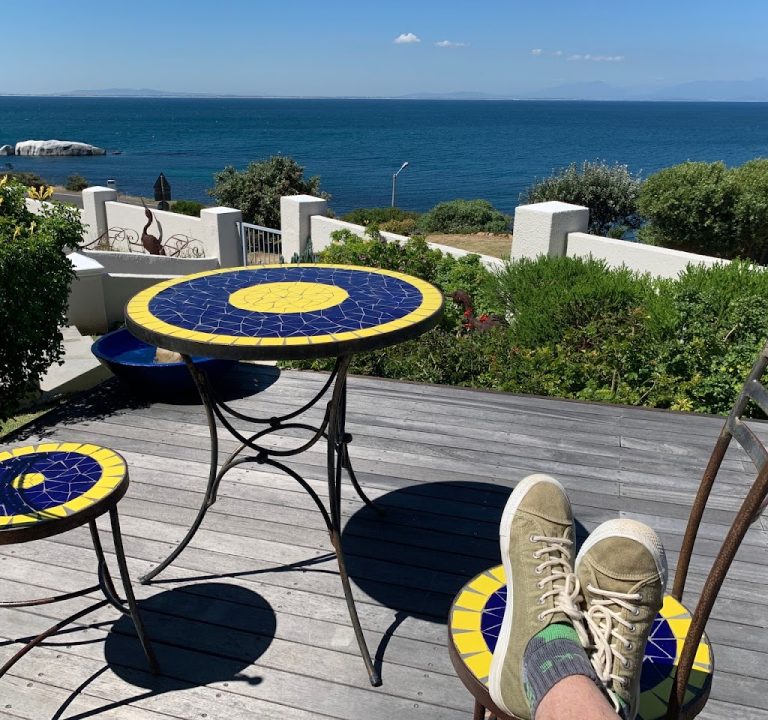
Typical amenities to look for include reliable Wi‑Fi, heating or air conditioning, heating in Cape Town’s coastal and elevated areas, and adequate security features. A dedicated outdoor area, such as a braai (barbecue) space or a small balcony, is often a welcome touch in self-catering places. If you love morning coffee or sunset vistas, ask about a view or access to outdoor spaces. It can also be practical to confirm whether linen and towels are supplied, as well as what cleaning services, if any, are included during your stay.
Best time to visit Cape Town depends on what you want from your trip. Summer, from December to February, brings long days and lively beachfront atmospheres, but peak season can be busier and pricier. Autumn (March to May) and spring (September to November) offer milder weather and quieter streets, with good conditions for hiking, outdoor markets and wine-tasting trips. Winter (June to August) can be cooler and windier, especially along the Atlantic coast, but it’s still a fine season to explore museums, indoor attractions, and the city’s vibrant dining scene.
Getting around is typically straightforward, but plan ahead in peak periods. If you’re basing yourself near the city centre or the Waterfront, you’ll likely rely on public transport and rideshares for short trips. A car is convenient for day trips to the Cape Peninsula, Cape Point, or the Cape Winelands, but note that some driving sections include steep roads and winding coastal routes. If you don’t mind scenic detours, a day by the sea followed by a wine-tasting excursion makes for a balanced itinerary.
When outlining your activities, balance iconic sights with slower, sensory experiences. Cape Town’s geography makes it easy to combine a ride up Table Mountain (via cable car or edge-of-table options) with a stroll through botanical splendour at Kirstenbosch National Botanical Garden. The area around the V&A Waterfront offers shopping, harbour views and family-friendly entertainment, while the historic Robben Island visit provides a meaningful historical context. For wildlife and coastal scenery, the Cape Peninsula drive, with stops at beaches and viewpoints, is a classic route. Across the city and surroundings, you’ll discover art, markets, and diverse dining choices that reflect Cape Town’s multicultural character.
Restaurants range from casual bayside eateries to refined dining rooms focused on regional produce. In most neighbourhoods you’ll find places that emphasise fresh seafood, grill-driven menus, and dishes that showcase South African flavours alongside international influences. As you plan meals, consider sourcing fresh produce from local markets to complement your self-catering base. If you’d prefer to dine out for a couple of evenings, there are numerous options within short drives of major districts, offering everything from lighter fare to more robust tasting menus.
One example of a self-catering option in Cape Town is 3 on Rocklands, a category of self-catering accommodation. While specific details may vary by unit, such stays typically provide a private or shared living space with a kitchen or kitchenette, a comfortable lounge area, and access to parking. Such properties suit travellers who value independence, the flexibility to self-cater, and convenient access to beaches and local amenities.
Planning checklist (quick reference):
- Decide on the general area based on your interests (city sights, beaches, wine routes, or hiking access).
- Confirm transport options: proximity to public transit or the ease of driving and parking.
- Check kitchen facilities and amenities in self-catering units, including laundry if needed.
- Look for safety features, reliable Wi‑Fi, and clear information about check-in and check-out times.
- Consider best visiting windows for crowds and pricing, and build in some flexible days for weather or changes in plans.
- Plan a mix of activities: iconic landmarks, nature experiences, markets, and dining experiences to sample local flavours.
Whether you’re seeking a stylish apartment with sea views, a spacious family-friendly homebase, or a cosy guesthouse near a vibrant street, Cape Town offers options to match a range of budgets and tastes. With thoughtful planning—focusing on area, transport, and essential amenities—you can craft a balanced itinerary that makes the most of this remarkable destination.