Exploring Cape Town: Where to stay and what to do in the Western Cape
Cape Town sits within a stunning landscape of sea and mountains, offering a range of guest houses, B&Bs and thoughtful lodges that suit different budgets and travel styles. From tranquil neighbourhoods close to the Atlantic coastline to leafy streets near the city bowl, a well-chosen stay can become the backbone of a memorable visit. When planning a stay in the Cape Town area, consider the character of each neighbourhood, accessibility to sights, and the practicalities of transport to get you around with ease.
When selecting accommodation, think about the kind of experience you want. In Simon’s Town and along the False Bay coast you’ll find guest houses with a maritime calm, often featuring cosy communal spaces and easy access to penguin viewpoints and harbour strolls. Across the Atlantic Seaboard and in the City Bowl, stylish guest houses and boutique hotels emphasise contemporary design, brasserie-style breakfasts, and proximity to restaurants, markets, and nightlife. For a more nature-forward base, consider properties near Constantia or the Constantia Valley wine route, where you can pair a restful night with vineyard visits during the day.
Key areas to consider include the following — each offers a distinct flavour of Cape Town life:
- The City Bowl and central Cape Town: walkable to museums, eateries, markets, and the elevated views from the slopes above the city.
- Green Point and Sea Point: close to the seafront, promenades, and a lively dining scene, with quick links to the V&A Waterfront.
- Clifton, Camps Bay, and Noordhoek: coastal serenity, expansive beaches, and sunsets, with a more relaxed pace.
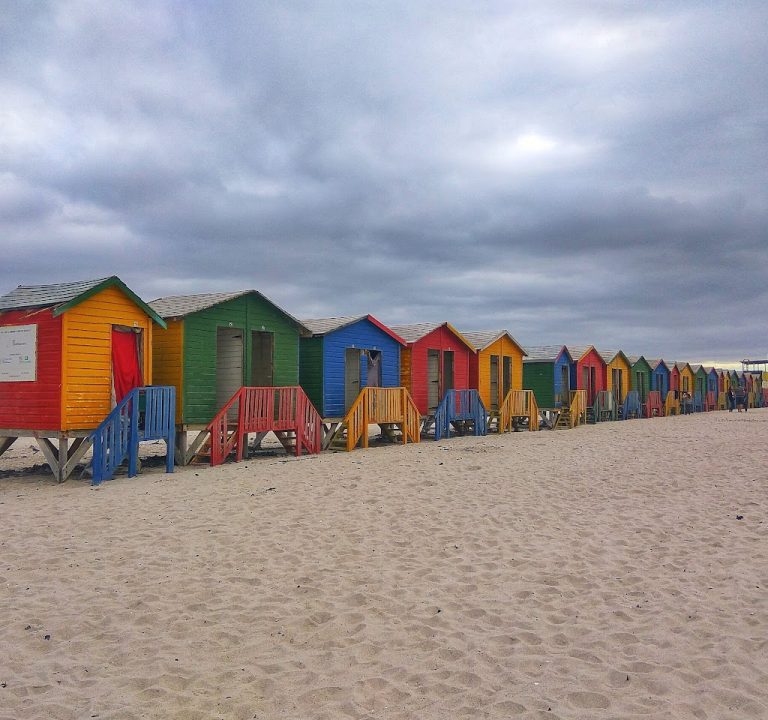
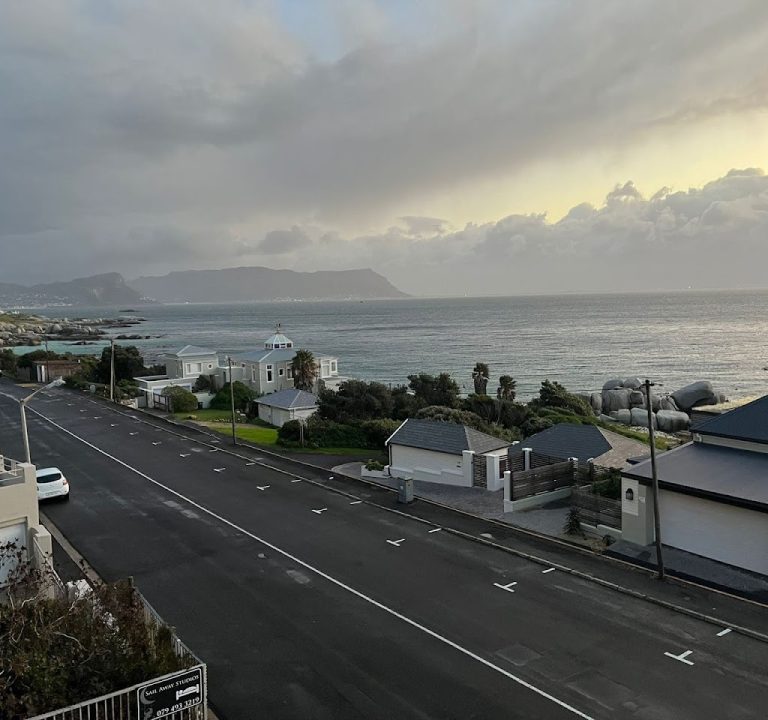
- Simon’s Town and the False Bay coast: maritime charm, penguin colony habitats nearby, and calm bays for day trips.
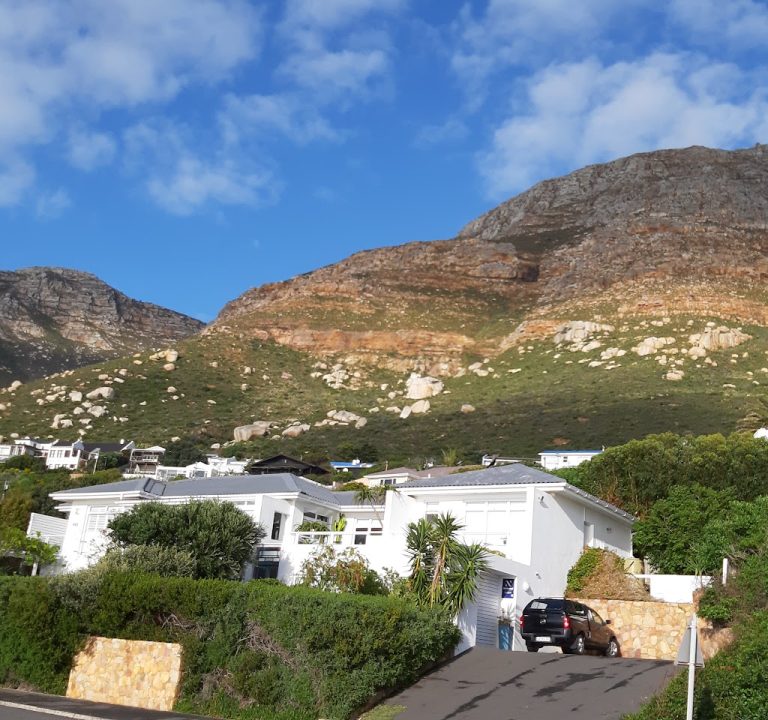
- Constantia and the Constantia Valley: greenery, gardens, and wine-tasting routes, ideal for a restorative break.
What to look for when booking a guest house or boutique hotel in Cape Town, especially in a place like Blue Mountain Bay near Simon’s Town, includes:
- Room configuration and privacy: some properties offer exclusive suites or garden access, which is helpful for families or groups.
- Breakfast and dining options: a robust, locally sourced breakfast can start days well, while some places offer light meals or picnic provisions for day trips.
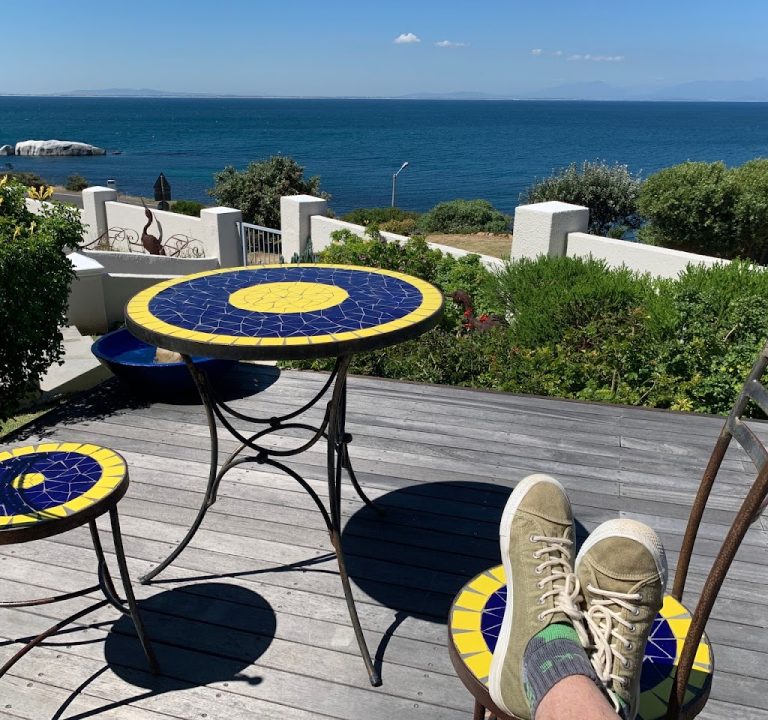
- Outdoor spaces and views: verandahs, patios, or terraces with sea or mountain views add to the stay, even if the room itself is compact.
- Parking and access: reliable parking options or easy access to rideshare services save time when exploring the peninsula and surrounding areas.
- Transport links: proximity to major routes, train lines, or boat departures can influence how you plan day trips to Cape Point, the Cape winelands, or the Cape Flats.
- Flexibility and policies: clear cancellation terms and reasonable minimum nights can be helpful during peak periods or shoulder seasons.
Typical amenities you may encounter include free Wi‑Fi, daily housekeeping, and well-equipped en suite bathrooms. Many guest houses offer tea and coffee making facilities, a communal lounge, and regional touches such as locally sourced bed linen or curated welcome bites. If you plan day trips, ask about laundry services, luggage storage, and information on guided walks or self-guided routes. Hearty breakfasts, stocked bars, and coffee nooks are common features that help travellers feel at home after busy days on the peninsula.
Getting around Cape Town and the greater Western Cape is simplified by choosing a base with easy access to transport links. If you stay in Simon’s Town or the False Bay coast, you’ll find it convenient to combine coastal walks with short drives to nature reserves and coastal viewpoints. If your itinerary prioritises Table Mountain, the V&A Waterfront, and the central city, a stay in the City Bowl or Green Point can minimise transit time. Consider renting a car for flexibility, especially if you want to explore beyond the city into the Cape Winelands, the scenic Garden Route, or nature reserves along the coastline. For shorter hops, reliable ride-hailing services and well-serviced bus routes can cover many routes around Cape Town and surrounding towns.
The best time to visit Cape Town depends on what you seek. Spring and autumn bring mild temperatures and manageable crowds, ideal for outdoor activities and photography. Summer offers longer days, beaches, and cliff-top viewpoints, though it can be busy around popular attractions. Winter brings cooler air and the possibility of rain, which some travellers find perfect for city strolls and museum days, with fewer crowds. If you enjoy sea life, plan visits to coastal towns in the shoulder seasons when wildlife sightings are often more accessible and the scenery remains dramatic year-round.
Within easy reach of your stay, there are numerous attractions and experiences that suit a balanced itinerary. Iconic viewpoints, historic sites, and nature reserves sit alongside modern markets, café culture, and hillside restaurants. For practical planning, set a loose framework: one or two harbour or waterfront experiences, a day trip to the Cape Point or the Cape Winelands, and an outdoor activity such as a coastal hike or scenic drive along the Atlantic coast. Dining in Cape Town ranges from casual eateries to refined bistros and coastal seafood spots, with emphasis on seasonal ingredients and bright, modern flavours.
For more information and to browse options similar to Blue Mountain Bay or other guest houses in Simon’s Town, you can explore accommodation platforms such as Booking.com for a sense of available dates, room types, and guest reviews. A well-chosen stay in Cape Town can be the launching point for a rich, varied experience of the Western Cape, balancing restful nights with unforgettable days on the coast and in the mountains. Visit the region with an open plan for exploration, and you will find a warm, adaptable hospitality scene that complements the extraordinary landscapes of this corner of South Africa.