Staying in Gqeberha: accommodation, planning tips and making the most of your visit
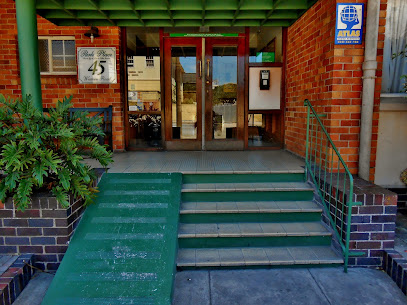
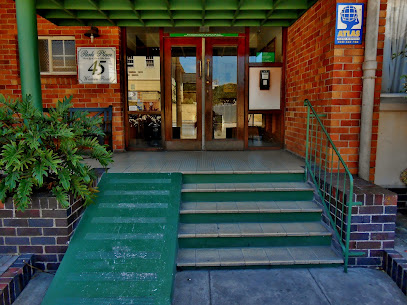
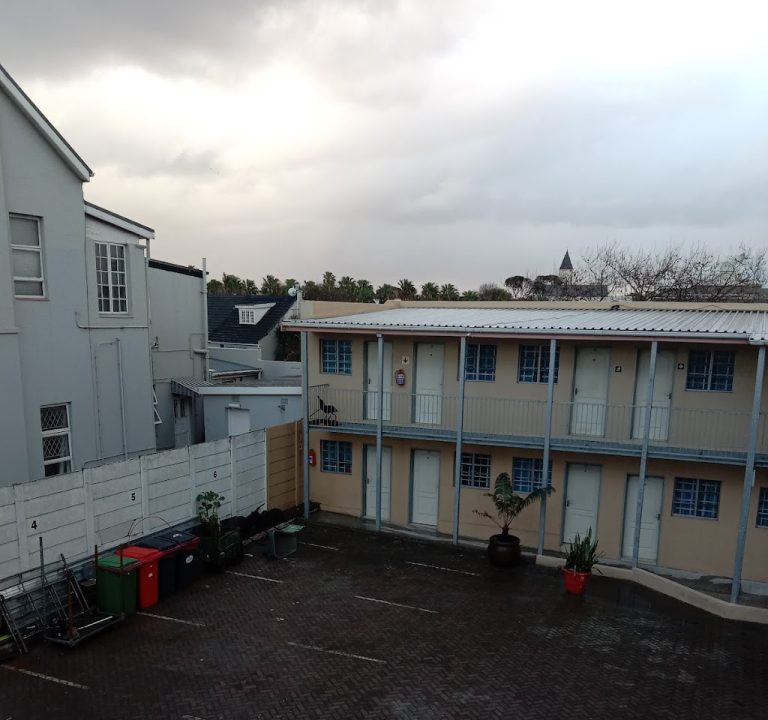
Gqeberha, in the Eastern Cape, offers a diverse mix of places to stay that suit a range of travellers—from quiet harbour glimpses to lively city neighbourhoods. When planning a visit, think first about what portion of the city you want to use as a base. The central areas are convenient for getting to museums, cafés and night markets, while beachfront and harbour-adjacent quarters provide easy access to the sea and scenic walks. A guest house such as Park Place can offer a blend of home comfort and local flavour, with a personalised touch that larger hotels often cannot replicate.
Areas to consider include a walkable city centre, which is convenient for public transport links, shops and casual dining. Suburban districts close to business centres or university campuses can be ideal for longer stays, offering a more residential atmosphere and quieter evenings. The beachfront and harbour precincts are popular for those who want easy access to coastal scenery and waterside promenades, but they can be busier during holiday periods. When choosing a location, weigh the balance between proximity to attractions, transport accessibility and the kind of atmosphere you prefer—cosy and intimate, or vibrant and busy.
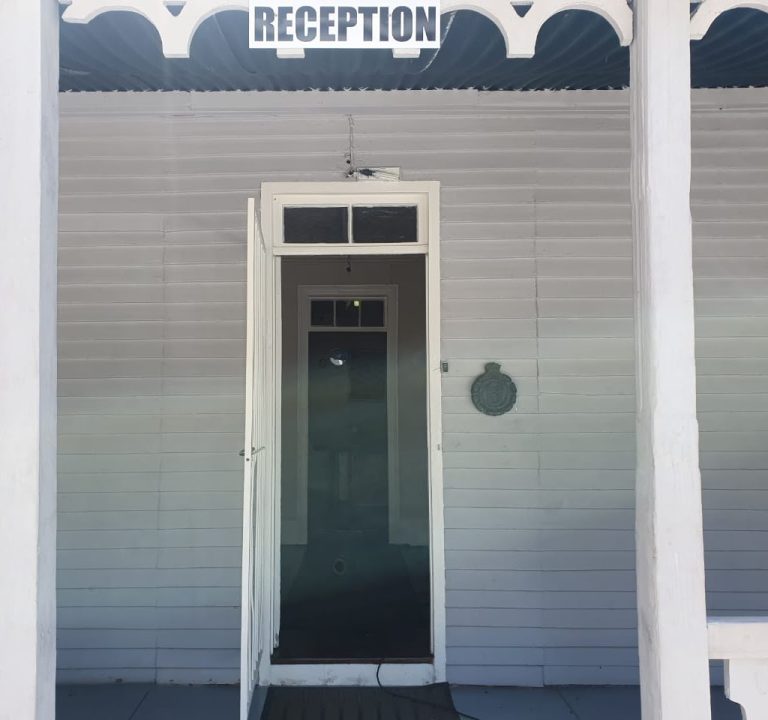
Booking practicalities are the foundation of a smooth stay. Look for properties that clearly show what is included in the rate—breakfast options, parking arrangements, and whether there is 24‑hour reception or self check-in. If you plan to hire a car, confirm on-site parking or nearby alternatives. For travellers relying on taxis or rideshares, check how central the property is to major routes and whether there are safe, well-lit paths for evening strolls. If you need a bit more guidance, guest houses often provide insider tips on local transport connections and times of day when attractions are less crowded.
Common amenities to expect include comfortable beds with quality linens, en-suite bathrooms, reliable Wi‑Fi, and climate control. A well-equipped kitchenette or access to a shared lounge can be a real convenience for longer visits. Some properties also offer additional touches such as laundry facilities, outdoor spaces, or a small library of maps and guidebooks. When booking, consider how much you value a personal welcome and local recommendations. A host who can suggest nearby eateries, markets, or day trips can save you time and help you discover experiences you might not find on your own.
Transport in Gqeberha is relatively straightforward, with options ranging from car hire and rideshares to local buses and coastal roads ideal for scenic day trips. If you plan to rely on public transport, prioritise central locations with nearby bus or taxi hubs. For day trips to surrounding coastlines or nature reserves, a car is often the simplest choice, though guided tours can also be convenient if you prefer not to drive. Many guest houses and hotels will arrange airport transfers or share details of reputable transfer services, which can be particularly helpful for first-time visitors.
Best time to visit Gqeberha depends on what you want to do. The region enjoys a temperate climate with warm summers and mild winters, making spring and autumn pleasant for outdoor activities such as coastal walks, wildlife viewing in nearby reserves, and markets. Summer can be lively, with more outdoor events and longer daylight hours, but consider packing sun protection and light layers for coastal winds. The shoulder seasons often provide a good balance of comfortable weather and fewer crowds, which can enhance your opportunities to explore museums, galleries and harbour-side eateries at a relaxed pace.
When planning your itinerary, combine accommodation with a few flexible day plans. You might reserve a couple of must-do activities—such as a harbour stroll, a museum visit, or a guided neighbourhood walk—and leave space for spontaneous discoveries like cafés, small galleries, and informal markets. Dining tends to be varied, with options ranging from casual cafés to more refined eateries. For a balanced stay, look for places that offer breakfast or have good nearby options, and consider trying a few different neighbourhoods for meals to experience the city’s evolving food scene without relying on a single area.
Practical tips for a stress-free stay include booking in advance during peak travel periods and checking cancellation policies carefully. Bring passport or ID as required for domestic travel within South Africa, and keep a small map or offline navigation handy in case mobile reception is patchy in certain streets or pockets of the city. If you rely on public spaces, daylight hours are ideal for walking and sightseeing; reserve indoor activities for the late afternoons or evenings when it can be cooler. Finally, respect local customs and environment: plan to support community-owned venues where possible and avoid single-use plastics by choosing reusable bottles and containers when you can.
- Central versus coastal areas: balance convenience with atmosphere.
- Amenities to prioritise: Wi‑Fi reliability, parking, and self‑catering options.
- Transport planning: proximity to hubs and ease of getting around town.
- Best times to visit: consider weather, crowds, and local events.
- Planning tips: flexible itineraries, smart bookings, and sustainable choices.
Whether you are seeking a cosy guest house with a personal touch or a comfortable base near the harbour, Gqeberha offers welcoming accommodation aligned with a varied range of attractions and dining experiences. A well-chosen base can enrich your stay and help you discover the heart of this dynamic South African city while leaving room for spontaneous adventures and memorable meals along the way.