Gqeberha: Where to stay and what to do for a memorable visit
Gqeberha, formerly Port Elizabeth, sits along the Eastern Cape’s sunlit coast and offers a compelling mix of sandy beaches, historic sites, modern comforts and easy access to the broader Garden Route. When planning a stay, think about the area that best suits your itinerary, the pace you want, and the kind of experience you’re seeking—from seaside strolls and wildlife day trips to culture-filled city breaks and relaxed family holidays.
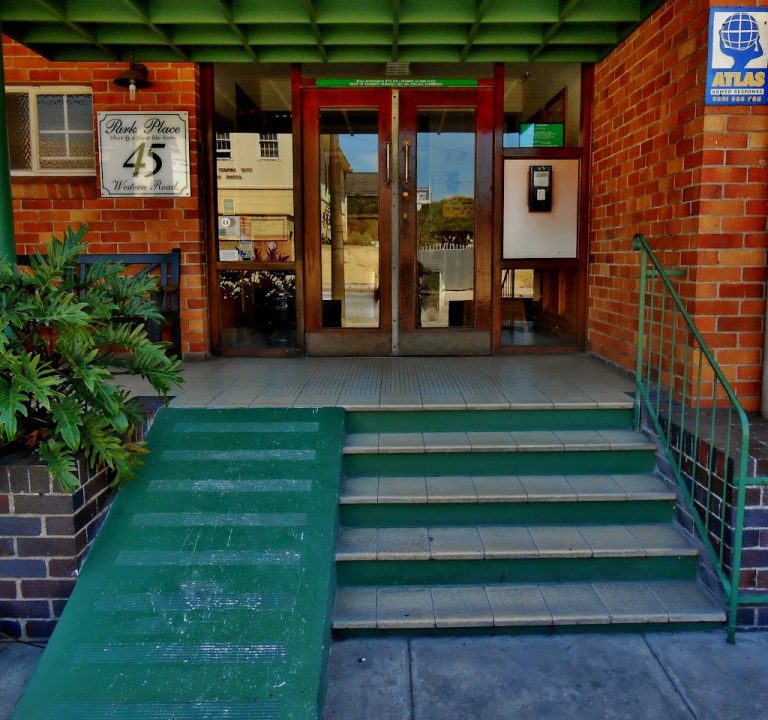
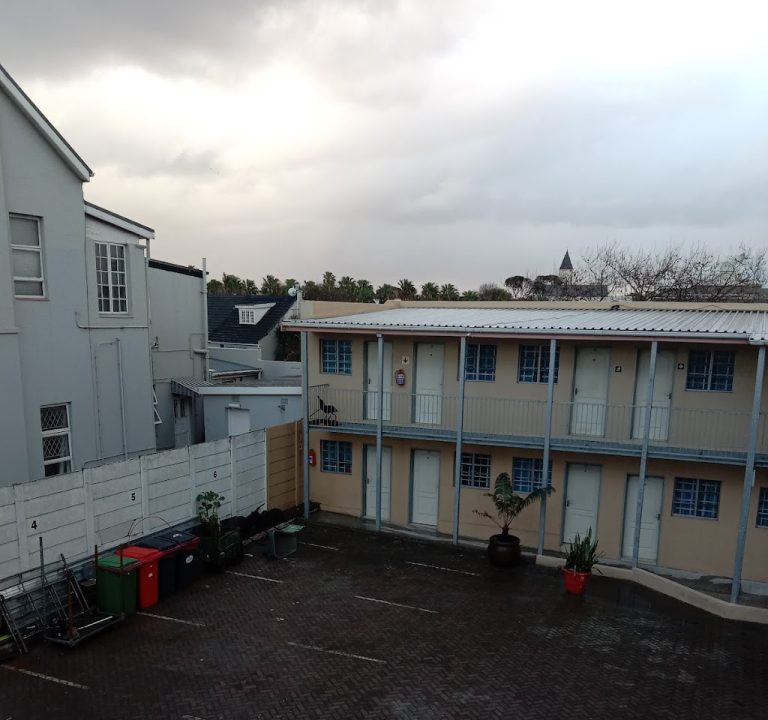
Accommodation in Gqeberha ranges from intimate guest houses and boutique hotels to self‑catering apartments and family-friendly lodges. Look for properties that align with your priorities, whether that’s proximity to the beach, access to reliable transport links, or a quiet street away from the bustle. A notable local option is Monument Western Guest House, a guest house known for its central location and comfortable rooms. You can explore its offerings and booking options on the property’s website: Monument Western Guest House.
Areas to consider include the beachfront precincts for easy sea views and a relaxed walking vibe, the city centre for convenient access to shops and dining, and suburbs with leafy streets and quiet residential ambience. If you’re after long walks along the coast, staying near the beachfront gives you immediate access to morning jogs and sunset promenades. For a more urban experience with convenient transport links, a central or near-central location can shorten travel times to attractions and dining options. When selecting a property, check the neighbourhood’s typology—whether it is more residential, more tourist-oriented, or a mix—so you’re not surprised by the ambience in the evenings.
Typical amenities you may encounter include en-suite bathrooms, complimentary Wi‑Fi, secure parking, and warm, friendly staff who can offer local tips. Boutique guest houses often provide a personal touch, with shared lounge areas, garden spaces, and breakfast options that showcase regional produce. If you’re travelling with family or a group, look for accommodation with flexible room configurations, kitchens or kitchenettes, and easy access to common areas. Practically, good lighting, reliable heating or cooling, and a clear check‑in process help set the tone for a comfortable stay. Consider properties that offer airport or station transfers, or at least convenient access to public transport and ride-sharing services, so you can move around without hassle.
Transport in and around Gqeberha is generally straightforward. The city has a network of main roads and highways, and many guest houses are within a short drive of beaches, wildlife experiences, and shopping centres. If you plan day trips to nearby natural reserves or coastal towns, confirm with your host or property manager about parking options and whether rideshares or rental cars are advisable. For those who enjoy exploring on two wheels, some areas provide bike-friendly routes, while others may be best explored on foot or by car. Having a rough plan for travel between accommodation and major sights helps you avoid peak congestion times and makes the most of daylight hours.
Best time to visit Gqeberha generally coincides with mild weather and quieter streets outside peak school holidays. Summers can be warm and humid, with sea breezes offering relief along the waterfront. Spring and autumn usually bring comfortable temperatures for outdoor activities, such as beach walks, wildlife encounters and city sightseeing. If you’re planning a coastal break, consider the tides and wind patterns, especially if you intend to enjoy outdoor water activities. Booking well in advance during holiday periods can secure better options for rooms with sea views or larger suites for families.
When planning what to do, prioritise a blend of nature, culture and dining. Gqeberha offers access to longer coastal walks, beaches suitable for families, and nearby wildlife routes where you may spot penguins, seals or birdlife along the shore. The city also serves as a gateway to historical and cultural venues, museums and galleries that contextualise the region’s diverse heritage. For food and drink, a range of restaurants and cafes present contemporary menus and traditional flavours. While specific venues may change over time, you can expect casual eateries with fresh seafood, markets featuring locally produced goods, and cosmopolitan spots that cater to a variety of tastes. Always check current opening hours and whether reservations are needed, especially on weekends and during festive periods.
To help you structure your stay, consider a simple plan: base yourself in a well‑located guest house for a couple of nights, then allocate a day or two for coastal walks or wildlife excursions on the outskirts. Allocate another day or half for city-centric experiences, such as markets, museums, or a guided neighbourhood walk. If you enjoy a restaurant crawl, map out a route that includes breakfast or brunch spots, a mid‑day café for a light lunch, and a sit‑down dinner with a view or a lively atmosphere. A light, flexible itinerary lets you respond to weather, energy levels and recommendations you receive from hosts or locals during your stay.
- Book a property with clear directions, easy check-in, and a friendly host’s local tips.
- Choose a location with good access to beaches or city attractions based on your interests.
- Confirm parking and transport options if you plan to rent a car or rely on taxis and rideshares.
- Pack layers for changing coastal weather and bring sunscreen for outdoor days.
- Look for flexible cancellation policies in case plans shift.
In summary, Gqeberha offers a warm hospitality scene, a range of accommodation styles, and a wealth of experiences that suit different tastes and paces. By selecting a well‑located base, prioritising practical amenities, and planning a balanced mix of coastal, cultural and culinary activities, you can enjoy a relaxed, well‑rounded visit to this dynamic corner of the Eastern Cape.