Accommodation and attractions in Gqeberha, Eastern Cape: planning a memorable stay
Gqeberha, formerly known as Port Elizabeth, sits on the Eastern Cape’s rugged coast and offers a relaxed blend of coastal scenery, wildlife adventures, and friendly neighbourhoods. When planning a stay, consider the spread of districts from the beachfront to leafy suburbs inland, each with its own character and convenient access to beaches, shops, and transport routes. Whether you are seeking a boutique guest house, a family-run lodge, or a practical city centre stay, the options are varied and easy to tailor to your itinerary.
Areas to consider include the beachfront precinct, where stands of palm-lined promenades meet calm sea views and a walkable array of eateries and bars. Humewood and Central include traditional guest houses and small hotels with easy access to the CBD and cultural attractions. Suburbs such as Walmer and Greenacres offer quieter streets, garden settings, and often larger properties ideal for families or longer stays. For nature and wildlife experiences, a short drive inland can position you close to good value lodges and guesthouses that balance comfort with a touch of rural charm.
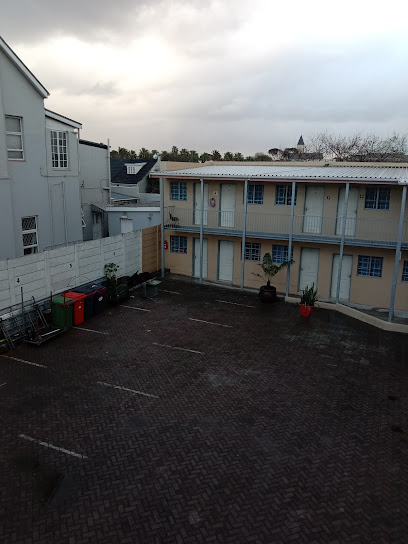
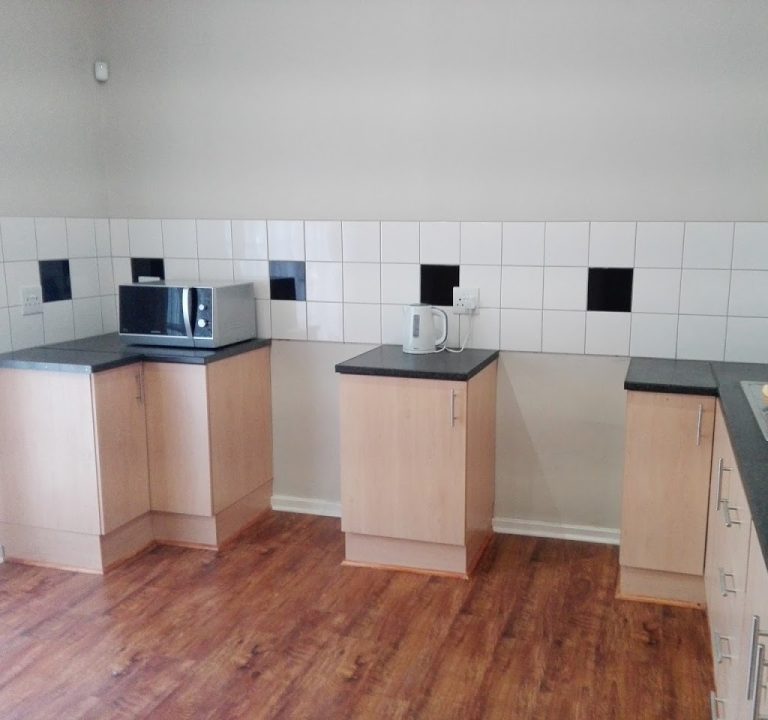
When booking, look for a few practical features that noticeably improve a stay. Quiet rooms and reliable air conditioning or heating are essential for PE’s seasonal swings. A generous breakfast offering can save time in busy mornings or set you up for day trips. Free or well-priced parking is a big plus if you plan to rent a car, and secure access or a courteous reception can be a sign of a well-run guest house. If you prefer self-catering or kitchenette facilities, filter listings accordingly. Wi‑Fi quality, even if not essential, is often important for work or streaming after a day out exploring the coast.
Common amenities in well-regarded properties include clean en-suite bathrooms, well‑equipped bedrooms, and practical touches such as laundry facilities, ironing equipment, and good storage. Host interactions vary from hands-off to warmly local, with many hosts happy to share personalised tips about the city, beaches, markets, and day trips. Booking platforms can help you compare cancellation policies, guest reviews, and proximity to your planned activities. For those planning a beach‑focused stay, proximity to safe swimming beaches and lifeguard patrolled areas can influence your choice.
Getting around Gqeberha is straightforward with a car, which provides flexibility to explore beyond the immediate vicinity of your accommodation. If you prefer not to drive, consider staying within easy reach of popular beaches or the city centre, where taxi services and local shuttles are more readily available. Some guest houses offer airport or train station transfers, which can ease early departures or late arrivals. Public transport within the city is developing, so map out a rough route in advance and allow extra time for peak traffic around the beachfront and commercial zones.
The best time to visit Gqeberha depends on your plans. The summer months bring longer days and warmer seas, ideal for beach days, water activities, and outdoor markets. Spring and autumn offer comfortable temperatures for city walks, wildlife trips, and harbour-side dining. Winter can feel cooler, especially in the evenings, but it’s a good period to find quieter streets, lower rates, and fewer crowds for attractions such as museums and cultural sites. If you plan a safari or a day trip to inland reserves, consider how seasonal rainfall might affect road conditions and travel times.
Top attractions in general terms include coastal walks along the beaches and promenades, the Donkin Reserve and nearby city viewpoints, and the waterfront precinct with its maritime history and family-friendly open spaces. Museums and galleries provide cultural insight into the region’s heritage, while nearby nature reserves and coastal cliffs offer wildlife and cliff-top scenery. Family-friendly activities, markets, and casual dining give visitors a balanced itinerary that can be enjoyed at a relaxed pace. For longer day trips, the region’s landscape opens up to game reserves and the possibility of a quick hop to other parts of the Eastern Cape for a change of scenery.
Attention to dining in Gqeberha is well rewarded, with a range of eateries that emphasise seafood, rich regional produce, and cosmopolitan flavours. In general terms, expect menus that highlight fresh catches, grilled meats, and light, flavourful plates suitable for all ages. Many establishments near the coast offer outdoor seating and a shoreline ambience, while city-centre spots provide a more contemporary dining atmosphere. A practical tip is to sample a few lighter breakfasts or lunches during day trips, leaving room for sunset meals by the sea or relaxed cocktails at a harbour-side venue.
Practical planning tips for a smooth stay:
- Book early in peak season and check cancellation policies to stay flexible.
- Choose accommodation with parking or easy access to safe public transport.
- Prioritise properties with reliable Wi‑Fi, clean en-suites, and generous breakfasts.
- Plan a mix of beach days, city visits, and a wildlife or nature excursion if time allows.
- Pack sunscreen, light layers for evenings by the coast, and a lightweight rain jacket for occasional showers.
- Respect local safety guidelines and keep valuables secure during day trips.
With careful planning, a stay in Gqeberha can combine the comforts of a well-chosen guest house or lodge with easy access to the coast, culture, and countryside of the Eastern Cape. For convenience, consider visiting the destination’s official tourism pages or reputable travel sites to compare options and gather current advice on routes, seasonal conditions, and highlighted experiences. A well-chosen base sets the tone for a relaxed, memorable, and authentically South African break by the sea.