Discover Cape Town: Where to stay and what to do
Cape Town is a city of striking contrasts, set between the sea and the mountains, with neighbourhoods that each tell a different part of the story. When planning a stay, consider areas that match your interests and travel pace. The Atlantic seaboard offers stylish beaches, upmarket eateries and dramatic sunsets, while the city bowl and surrounding townships provide a mix of culture, history and convenient access to major sights. A balanced itinerary often combines a few nights in a central, well-connected base with a second stay near the coast or in a quieter neighbourhood to unwind after busy days.
Choosing accommodation in Cape Town means weighing atmosphere against practicality. Guest houses and B&Bs often deliver a personalised welcome, with hosts who can share insider tips on routes, markets and hidden viewpoints. Boutique hotels offer thoughtful design and attentive service, while self-catering apartments give flexibility for families or longer visits. When you book, look for places that clearly state their amenities, parking options, and access to public transport or reliable drive routes. For some travellers, proximity to a MyCiTi bus stop or a hop-on hop-off route can be a deciding factor, especially if you plan to explore widely without renting a car.
Areas to consider include:
- V&A Waterfront and the central foreshore: easy access to tours, harbour views, and waterfront strolls, with a wide choice of dining and shopping options nearby.
- City Bowl and De Waterkant: a lively, walkable district with characterful B&Bs, guesthouses, and hotels; convenient for museums, markets, and nightlife.
- Green Point and Sea Point: great coastal scenery, jogging paths, outdoor markets, and a more relaxed, beachy vibe with plenty of mid-range and boutique stays.
- Observatory and Woodstock: more affordable options with a creative edge, good for food lovers and budget-conscious travellers seeking something different.
- Constantia and the Southern Suburbs: wine routes, leafy streets, valley views and guesthouses with generous grounds and calmer evenings.
What to look for when booking is as important as where you stay. Typical amenities worth prioritising include secure parking, reliable Wi‑Fi, a well-equipped kitchen for self-catering, friendly staff or hosts who can offer local recommendations, and clear information about check-in procedures. If you value early breakfasts or dinner options, check whether meals are included or if there are nearby cafés and restaurants with easy walkability. For those sensitive to climate, inquire about room cooling or heating, as Cape Town’s weather can be changeable depending on the season.
Typical accommodation setups range from comfortable en-suite rooms to larger suites with private lounges, and self-contained flats set within a guesthouse. Many properties celebrate light-filled spaces, outdoor areas with views, and terraces for al fresco dining. House rules are often straightforward: respect quiet hours, observe recycling practices, and confirm guest limits and visitor policies before arrival. A few properties offer guided experiences or partnerships with local operators—handy when you want a seamless start to a day’s outing.
Practical tips for transport and getting around:
- Stock up on a MyCiTi card if you plan to rely on public transport; it’s the most straightforward way to move around central areas and the Atlantic coast.
- Rely on reputable taxi services or rideshare options for evening trips to dining spots or nightlife venues.
- If you’re driving, be mindful of traffic peaks and parking rules in city areas; some neighbourhoods offer on‑site parking, while others require paid street parking with time limits.
- Respect the scenery and local rules when visiting natural areas and viewpoints; some routes may require walking shoes and sun protection throughout the day.
The best time to visit Cape Town depends on what you want from your stay. Late spring (October to December) brings colour to the gardens and pleasant temperatures, ideal for outdoor exploration and coastal walks. Summer (December to February) is lively, with longer days and a bustling waterfront scene, but beaches can be busy and accommodation prices may rise. Autumn (March to May) offers cooler days and fewer crowds, while winter (June to August) can be cooler and wetter, yet it’s still a good period to visit for quieter attractions and nearby winelands experiences. For outdoor activities such as hiking Table Mountain or visiting the Cape Peninsula, plan for clearer days and check local forecasts in advance.
Eating out in Cape Town is a pleasure across budget ranges. You can expect a mix of fresh seafood, farm-to-table dining, vibrant markets, casual bistros, and refined restaurants that showcase South African ingredients with global influences. When planning meals, look for venues that prioritise seasonality and local produce, and consider pairing a day’s activity with a relaxed lunch or sunset drink along the coast. Many areas provide an accessible cluster of cafés and eateries, making it easy to sample different cuisines without long commutes between meals.
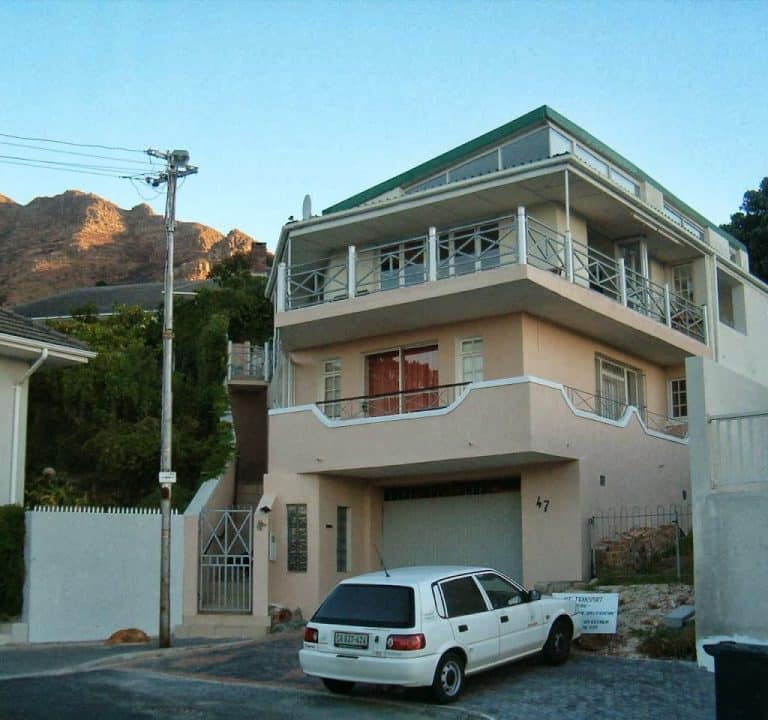
For inspiration and a home base close to Cape Town’s array of experiences, consider exploring a guesthouse or boutique stay at a well-regarded address such as Devarose, which offers a convenient point from which to plan your adventures. Visit the property page at Cape Stay – Devarose to learn more about location, style and what they can offer to enhance your visit.