Accommodation and Experiences in Cape Town: Where to Stay and What to Do
Cape Town blends dramatic scenery with vibrant neighbourhoods, making it an ideal destination for a stay that feels both cosmopolitan and intimate. For travellers seeking characterful places to lay their heads, a variety of options—from homestays and guesthouses to boutique hotels and self‑catering apartments—help you connect with local life while enjoying comfortable amenities. When planning a visit, it helps to think in terms of areas, transport, and what you want to glimpse beyond the iconic Table Mountain and pristine beaches.
Areas to consider form the backbone of a well‑rounded itinerary. The City Bowl puts you within easy reach of the central business district, markets, museums, and lively eateries. The V&A Waterfront offers harbour views and convenient access to boats, shopping, and casual dining. The Atlantic Seaboard, including Camps Bay and Bakoven, delivers sweeping ocean panoramas and a more relaxed pace, with plenty of outdoor spaces for walking and sunset watching. Constantia, tucked inland, is famed for its green hills, wine estates, and tranquil guesthouses, while Bo‑Kaap adds colour, culture, and Cape Malay heritage to your stay. For a more rural counterpoint, the southern suburbs and Constantia Valley provide quiet lanes, gardens, and opportunities to sample local produce.
When choosing accommodation, look for a few practical features that can make a big difference to your overall experience. Proximity to the sights you prioritise is key, but also consider how you’ll move around. Cape Town’s hills can mean traffic delays; a stay within a 15–30 minute transfer of your planned activities can save time. Check the access arrangements for stairs or lifts, as many older properties in historic neighbourhoods have steep staircases or limited elevator access. If you’re travelling as a family or group, connectivity and room configuration matter—options like family rooms, separate bedrooms, and a small kitchen can add comfort and flexibility.
Typical amenities you might encounter include free Wi‑Fi, private or en-suite bathrooms, clean linen and towels, and daily housekeeping or mid‑week refreshes. Guesthouses and homestays often offer a more personal experience, with hosts who can share local tips, arrange experiences, or provide breakfast options. Services such as secure parking, 24‑hour reception, and airport transfers vary; read listings carefully and confirm what’s included in your rate. Where breakfast is offered, check whether it’s continental, full, or custom, and whether dietary options can be accommodated. A well‑itinerary plan can include a mix of pre‑booked activities and self‑guided explorations, so hosting venues that can assist with recommendations are particularly useful.
Transport in Cape Town is best planned with a balance of convenience and safety in mind. Renting a car offers maximum flexibility for exploring beyond the city centre, but many visitors find a combination of rideshares, taxis, and public transport sufficient for day trips to popular sites. If you intend to visit Table Mountain or the winelands, consider arranging a driver‑guided day to avoid parking and navigation concerns. Some accommodations provide shuttle options, and proximity to MyCiTi bus stops or train stations can simplify travel. Walking is often pleasant in central areas and along the coastline, but daylight hours and personal safety should guide how far you choose to stroll after dark.
The best time to visit Cape Town depends on your priorities. The summer months (December to February) bring long days, warmer seas, and lively outdoor events, ideal for beaches and coastal walks. Winter (June to August) tends to be cooler and wetter, with a different atmosphere and fewer crowds—great for museum visits, wine‑region tours, and dramatic stormy seascapes. Spring and autumn offer mild weather, good light for photography, and pleasant walking conditions. If you’re planning wine tastings or coastal hikes, aim to book ahead during peak seasons and check local guides for seasonal events, markets, and closures.
When it comes to experiences, guests in Cape Town can expect a broad mix of nature, culture, food, and history. You might consider day trips to the Cape Winelands for wine tastings and countryside scenery, or a coastal drive along the Atlantic Seaboard with stops at viewpoints and beaches. City walking tours can reveal the colourful layers of Bo‑Kaap’s heritage, while a harbour cruise offers water‑based perspectives on the peninsula. Food lovers can explore markets, casual bistros, and restaurants that celebrate Cape flavours—often with contemporary twists. For a sense of continuity with local life, stay somewhere that offers a memorable stay and hosts who can point you toward off‑the‑beaten‑path eateries and family‑run cafés in the surrounding neighbourhoods.
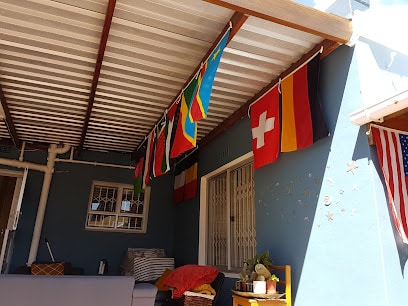
One example of a thoughtful stay that reflects local character is the Cape Town Heritage Homestay. With a homestay model, guests often gain insight into daily life and can enjoy warm hospitality alongside accessible, well‑appointed rooms and common spaces. If you’d like to learn more, visit the host family’s page at the official website: Cape Town Heritage Homestay.
practical planning tips at a glance:
- Research neighbourhoods that align with your interests and pace of travel.
- Check whether breakfast and daily housekeeping are included, and what kitchen facilities are available.
- Consider access, stairs, or elevator needs for any mobility considerations.
- Plan transport or driver arrangements for day trips and hill‑top attractions.
- Book popular experiences and restaurant reservations in advance during peak season.
- Pack a light layer for changing weather and a comfortable pair of walking shoes for uneven pavements and hills.
- City Bowl for centrality and dining
- Atlantic Seaboard for beaches and scenic drives
- Constantia for wine estates and leafy tranquillity
- Bo‑Kaap for culture, colour, and history