<h2 planning a stay in Cape Town: accommodation, attractions and practical tips
<pCape Town is a city of contrasts, where dramatic coastal scenery sits beside vibrant urban life. When choosing accommodation, consider the neighbourhoods that suit your rhythm of travel. The city centre and the Atlantic Seaboard offer easy access to sights and dining, while the leafy southern suburbs provide a more residential, relaxed backdrop. For a truly local flavour, look for options in Green Point, Bo-Kaap or Woodstock, where stylish spaces or boutique guesthouses are common and transport links are varied.
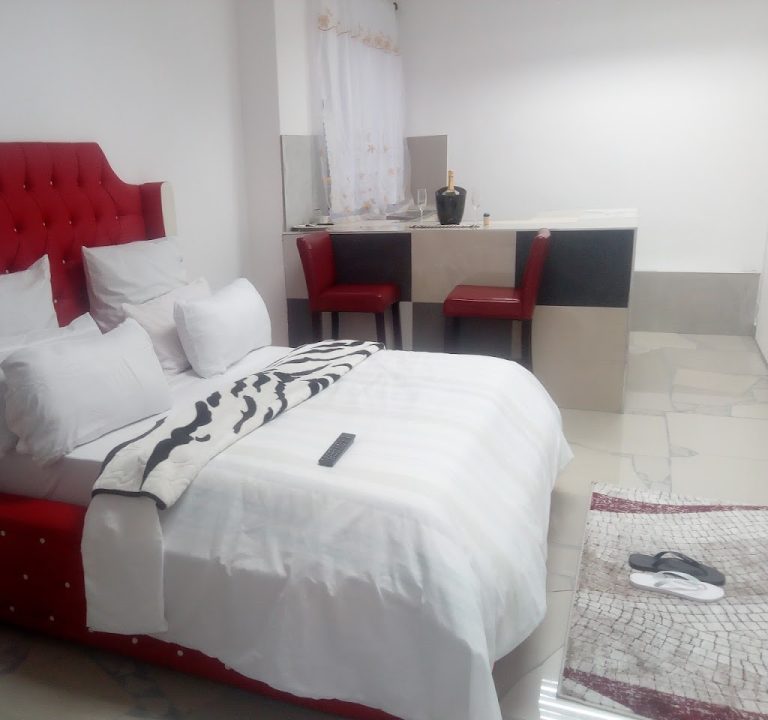
<pAccommodation options range from private holiday apartments to boutique hotels and guesthouses. A well-equipped holiday apartment, such as those offered by Goldhouse Apartments, can provide the comforts of home with the advantage of more space and often a kitchen or kitchenette. When you book, check the following amenities: reliable Wi-Fi, secure parking or easy access to public transport, a properly equipped kitchen, laundry facilities if you’ll stay for more than a few days, and a flexible cancellation policy. If you’ll be out exploring by day and returning after dark, ensure exterior lighting and a good level of security. If travel is for work or longer stays, a comfortable workspace and ample power outlets can make a big difference.
How to choose a base: look for a location that minimises daily travel time to your planned activities. The City Centre and Green Point are convenient for most sightseeing and dining, while Camps Bay and Clifton offer beachside appeal and panoramic ocean views. If you want a more family-friendly vibe with parks and quieter streets, Constantia or Plumstead can be appealing. Consider proximity to a MyCiTi bus stop or Uber-friendly hubs if you don’t plan to hire a car. For travellers who prefer self-catering, a serviced apartment with a dining area and laundry facilities can be more convenient than a traditional hotel room.
Typical amenities to expect include well-equipped kitchens or kitchenettes, reliable Wi-Fi, and daily or weekly housekeeping depending on the property. Some spaces offer extra touches such as private or shared outdoor spaces, access to a communal pool, or on-site gym facilities. A guesthouse or boutique hotel might include breakfast in the rate or offer a light café on site, which can be convenient for busy days of sightseeing. If you require mobility access or stairs-free accommodation, verify this in advance with the host or property manager.
Transport in and around the city is straightforward but varies by area. The MyCiTi bus network serves many central routes and is mounted for easy hop-on access. Taxis and ride-hailing services are widely available and convenient for evening dining or trips to the hills and coast. If you plan day trips to nearby wine regions or the Cape Peninsula, a rental car offers flexibility, though peak-season traffic can be heavy, and some coastal roads may be windy. When staying in busy districts, check if the property provides parking, or whether street parking is feasible and safe to use overnight.
The best time to visit Cape Town depends on your priorities. The city’s peak tourist season runs from late spring to early autumn (roughly November to March), when the weather is warm, the beaches are inviting, and outdoor activities abound. Shoulder seasons can offer fewer crowds and more comfortable temperatures for hiking and sightseeing, though the Atlantic wind can pick up at times. Water temperatures along the coast range with the seasons, so plan beach days accordingly. If you’re keen on outdoor experiences such as table-top views, coastal drives, or botanical gardens, book popular slots in advance during peak months.
Practical tips to help you plan and enjoy your stay:
- Book aproperty with clear written policies on cancellation, deposits, and check-in times.
- Ask about security features, especially if you will be returning after dark or staying in central districts.
- Verify proximity to your planned activities—beach days, nature trips, or city tours—and infrastructure such as supermarkets or coffee shops nearby.
- Budget for transport: even if you have a car, you may rely on rideshares for evenings out; this can be easier and safer in busy areas.
- Pack for a range of weather: Cape Town can be sunny and warm, but conditions can change quickly, especially near the coast or on Table Mountain.
In terms of experiences, Cape Town offers a broad palette without requiring fixed itineraries. Iconic landscapes and viewpoints are complemented by a coastline of beaches and protected bays. While exact venues and prices are best checked closer to your travel dates, you can expect a wide mix of dining options—from casual markets and bistros to refined restaurants serving various international and local flavours. Markets and districts often feature cultural crafts, street food, and live music, offering a snapshot of the city’s creative energy. Distinctive day trips frequently include a scenic drive along the coast, a visit to a peninsula point, and a stops at botanical gardens or wine estates in nearby regions, all of which can be enjoyed with a flexible schedule built around your accommodation base.
When planning a stay in Cape Town, the key is to balance location, comfort and accessibility. Whether you choose a self-contained apartment like Goldhouse Apartments or a boutique guesthouse in a vibrant neighbourhood, a well-considered base will make it easier to explore the city’s attractions, sample its cuisine, and return to restful spaces after busy days on the go.