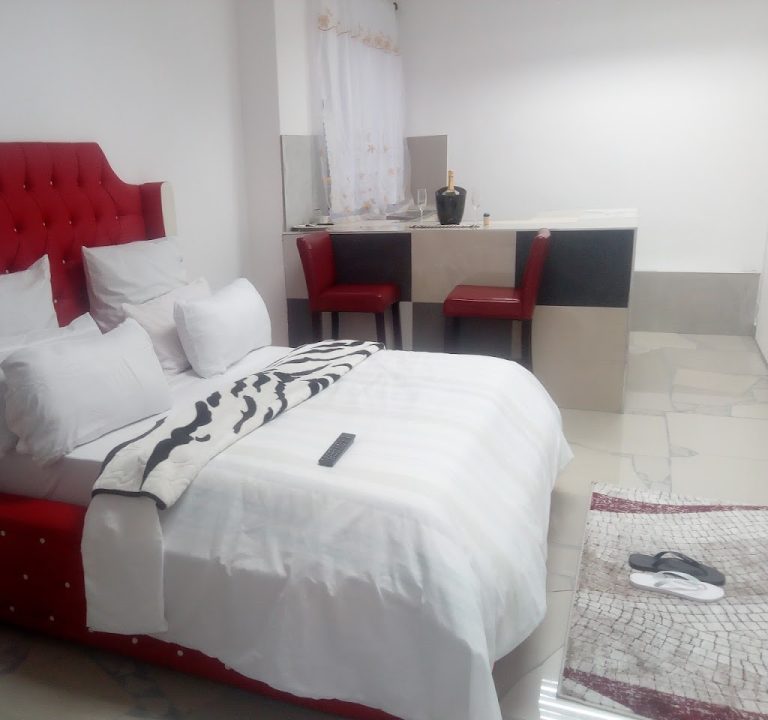
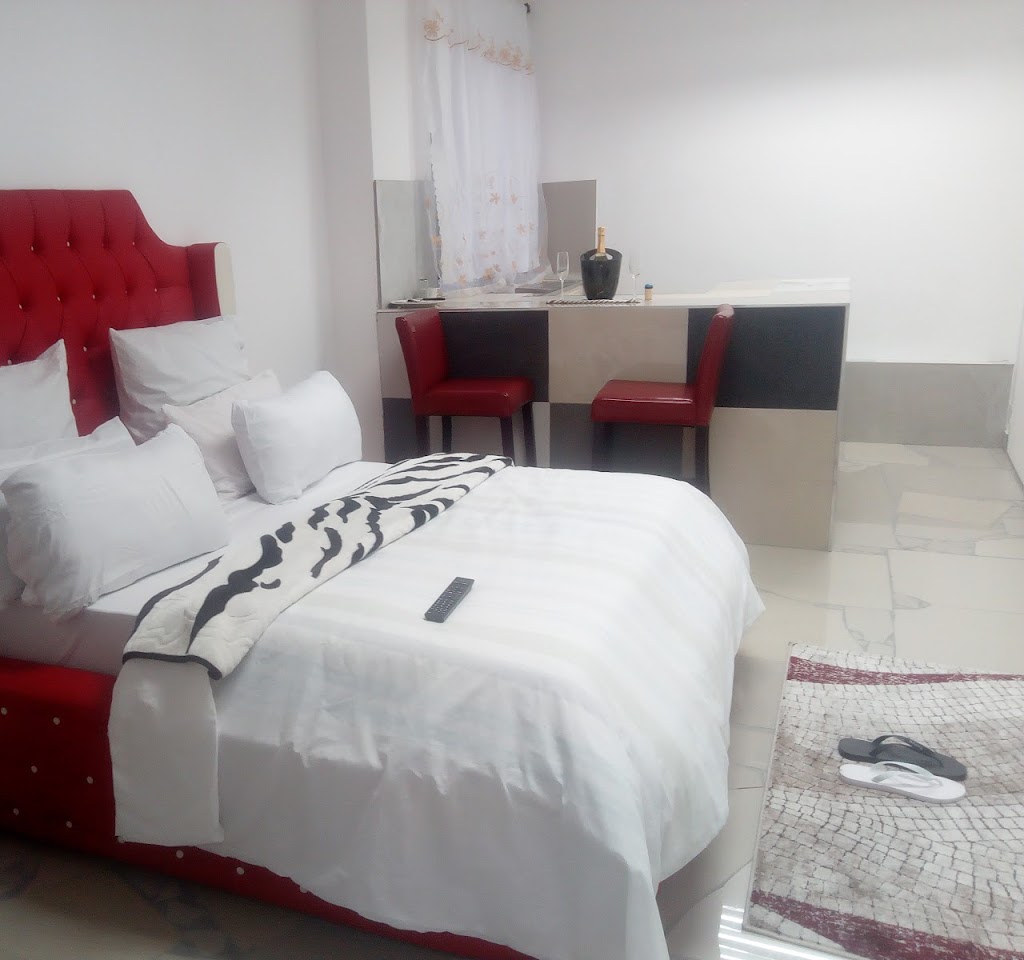
Accommodation and Getting the Most from Your Cape Town Stay
Cape Town offers a diverse tapestry of places to lay your head, from intimate guest houses nestled in the city’s historic lanes to stylish boutique hotels overlooking the Atlantic. When planning a stay in the Western Cape, think about what matters most to you: proximity to the sights, a neighbourhood with a sense of place, value for money, or a cosy home away from home with breakfast and a friendly host. The city’s accommodation often emphasises character and location, paired with practical touches such as secure parking, wifi, and easy access to public transport or reliable ride-hailing services.
Neighbourhoods to consider include the historic city bowl and Gardens, which offer a compact base close to museums, cafés, and scenic walks. Seaside options in Sea Point and Clifton provide easy access to the coastline and a brisk stroll along the promenade. For a more relaxed atmosphere with a bohemian vibe, Woodstock and the new-wave precincts near the Foreshore draw travellers seeking design-led stays and a short ride to the Cape Town central districts. If you’re drawn to mountain views and leafy streets, suburbs like Constantia or Hout Bay offer room to breathe and access to vineyard routes and scenic drives, while Camps Bay provides a splash of luxury near the shore.
Typical amenities you’ll encounter include all-day breakfasts or light self-catering options, free wifi, ensuite bathrooms, and off-street parking. Many guest houses provide personalised service, which can help you tailor your days—perhaps arranging a guided winelands excursion, arranging a table at a local restaurant, or recommending a sunset viewpoint. Some properties offer lounge spaces, beautiful garden courtyards, or shared kitchens, which can be especially pleasant for longer stays or when travelling with family.
Booking wisely can make a big difference. Start by clarifying your must-haves: Is a strong breakfast, a private balcony, or a short walk to a specific attraction essential? Check cancellation policies, whether breakfast is included, and if there are any additional charges for parking or late check-in. Read recent guest reviews to gauge consistency, paying attention to comments about cleanliness, safety, and staff responsiveness. Consider hosting style as well: a guest house with a personable owner may offer insider tips on the best time to visit popular sites and practical routes by foot or public transport.
Transport in and around Cape Town is fairly straightforward, though planning is helpful. The MyCiTi bus network links the city centre to major hubs such as the V&A Waterfront, the Cape Town International Airport, and the northern suburbs, while Uber and Bolt operate widely for shorter trips. If you’re hiring a car for trips along the Atlantic Seaboard or to the Cape Peninsula, choose accommodation with secure parking. For day trips to attractions such as Table Mountain, the Cape Peninsula and Boulders Beach, a host can suggest the best route and times to avoid crowds.
Best time to visit Cape Town varies with what you want from your trip. The summer months (roughly November to February) bring warm, sunny days ideal for beach-going and outdoor activities. Autumn (March to May) and spring (September to November) offer milder weather and lighter crowds, while winter (June to August) can be brisk with occasional rains—perfect for visitors who prefer less crowded sights and the cosy appeal of a warm guest house with a fireplace or a shared lounge. If you’re planning outdoor adventures such as hiking or coastal drives, consider booking ahead during peak season, and be prepared for breeze and rapidly changing conditions at height or on the coast.
When you’re selecting a place to stay, consider the overall feel of the property and the surrounding neighbourhood. If you’re after a quiet retreat with garden space, look for boutique guest houses set back from busy streets, offering private entrances and discreet parking. If you want to be in the heart of the action, a guest house or small hotel within walking distance of cafés, markets, and museums can be a tremendous convenience. Accessibility is another factor: check if the property is easy to reach from the main roads or public transport stops, and whether lifts or ramps are available if needed.
For activities beyond the hotel stay, Cape Town’s appeal lies in its landscapes and cuisine. You might explore the flat long views from a coastal walk, hike part of Table Mountain, or visit a city market to sample local produce and crafts. While it’s best not to rely on exact names here, your host or a local guide can point you to recommended areas for fresh seafood, vibrant coffee shops, and family-friendly eateries with menus that celebrate South African ingredients. You can also plan to mix a day at the V&A Waterfront with a short excursion to the historic Robben Island or a scenic drive along the Cape Peninsula to sandy coves and panoramic viewpoints.
- Look for locations with easy access to public transport or parking.
- Verify breakfast options and any dietary accommodations.
- Check for en-suite facilities and reliable wifi as a baseline.
- Review cancellation policies and peak-season pricing in advance.
- Ask hosts for personalised tips on best times to visit popular sights or bookable experiences.
In short, a well-chosen Cape Town stay can be the key to unlocking the city’s many facets—from its natural grandeur to its culinary ingenuity. By weighing neighbourhood character, practical amenities, and transport options, you can craft a visit that balances relaxation with discovery. And with the right host, you’ll gain local insights that make your days smoother and your memories richer. For planning resources and regional inspiration, reputable visitor websites offer current overviews of attractions, dining trends, and travel tips to complement your booking choices.