Accommodation and a Traveller’s Guide to Tulbagh, Western Cape
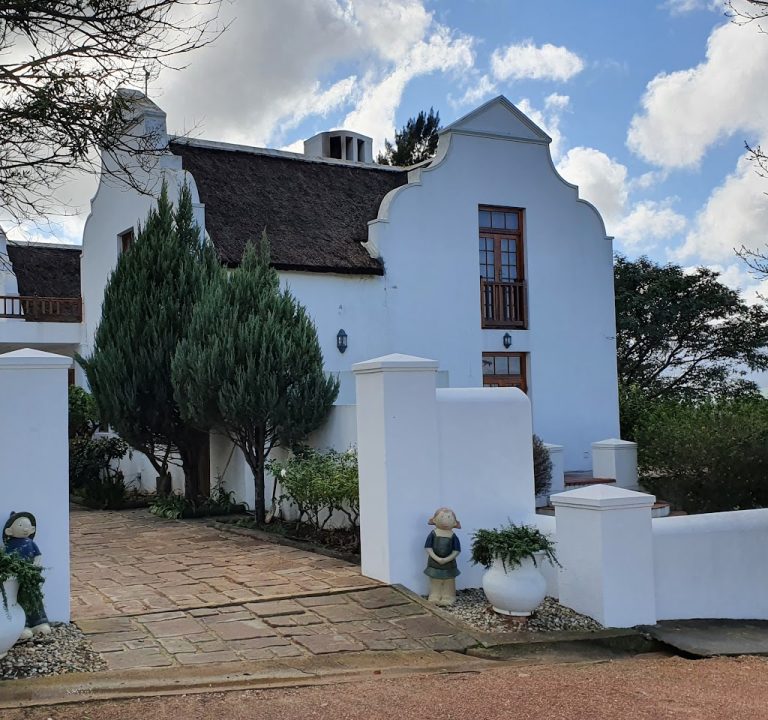
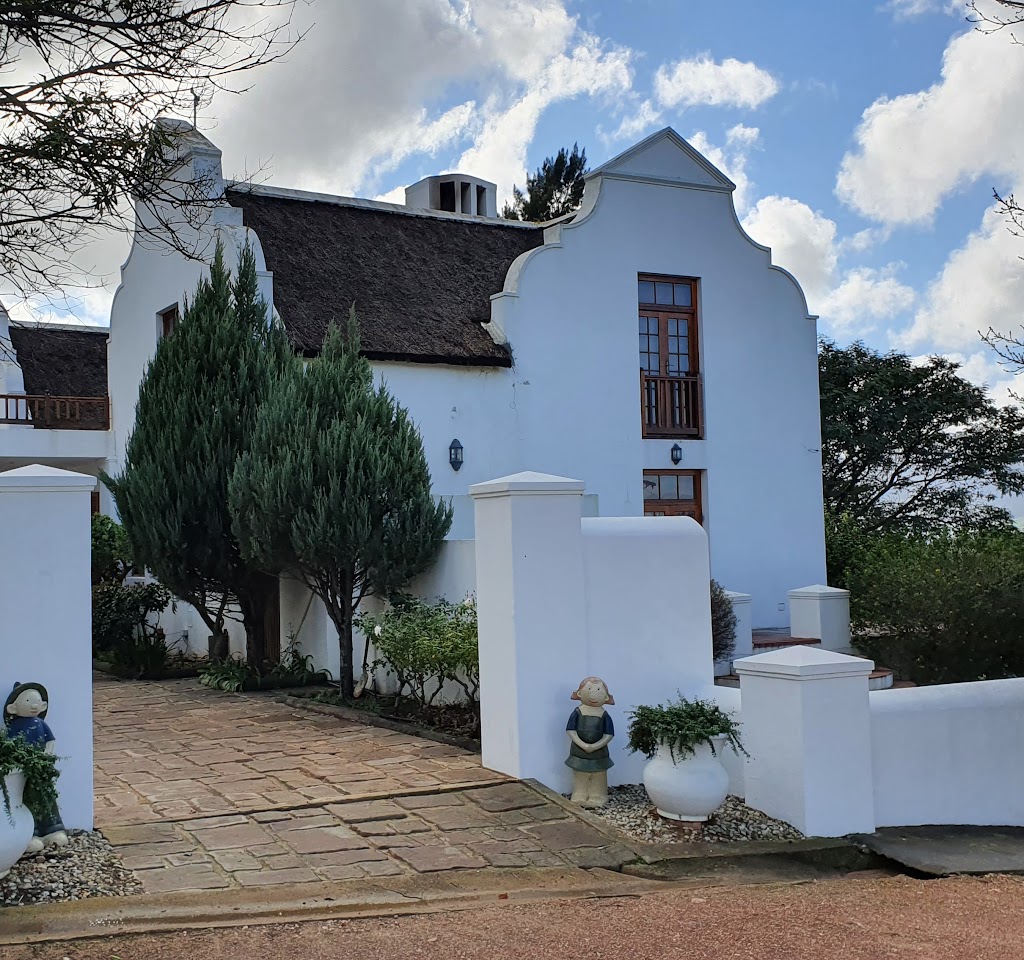
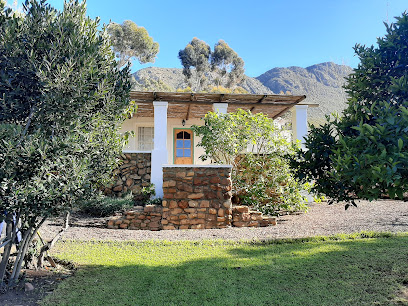
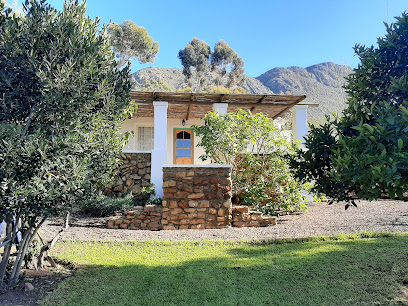
Nestled in the Helderberg region of the Cape Winelands, Tulbagh offers a timeless mix of colonial charm, scenic valley landscapes and easy access to vineyard routes and mountains. Whether you are seeking a cosy bed and breakfast, a characterful guesthouse, a country lodge or a self‑catering stay, Tulbagh provides a calm base from which to explore the surrounding farms, historic churches and nature trails.
When planning a stay, consider which area best suits your pace. The town centre is compact, historic and walkable, making it ideal for guests who want a village feel with easy access to shops, eateries and galleries. Just beyond the main thoroughfare, both hillside estates and working farms offer a more tranquil ambience, often with longer, sun‑lit views across the valley. If you are visiting for a wine‑tocando or a countryside escape, a rural guesthouse or small farm-style lodge can provide a sense of space and direct access to vineyards and country lanes.
Booking tips to help you secure a comfortable stay:
- Look for properties with private or semi‑private outdoor spaces, especially if you plan to enjoy long mornings with tea on the terrace.
- Check for access to parking and convenient transport routes, as some sites are a short drive from Tulbagh’s historic core or restaurant clusters.
- Consider the duration of your trip and the breakfast arrangement. Some places offer a continental option, while others provide a full cooked breakfast or a self‑catering setup.
- Read about the host’s local recommendations, which can save time when mapping out day trips to the surrounding wine farms, nature reserves and viewpoints.
- Ask about on‑site facilities such as a pool, shaded outdoor seating, and local information leaflets or maps for self‑guided itineraries.
Typical amenities you might encounter include en‑suite bathrooms, tea and coffee facilities, room‑specific Wi‑Fi, secure parking, and access to common lounges or verandas. For families or groups, some properties offer self‑catering kitchens, larger living spaces, or family rooms. If you are travelling with pets, verify the policy in advance and be prepared for country‑style grounds that may include surrounding farms or gardens.
Transport and getting around Tulbagh is straightforward. The town itself is compact enough to explore on foot, with historic streets and oak‑lined avenues. For day trips to wine estates, olive farms or valley viewpoints, a car is often the most convenient option. Several guesthouses and lodges can arrange taxis or guided tours, and some properties provide bicycles for a gentle ride along flat, country routes. If you are arriving from Cape Town, a scenic drive via the N1 and R46 will bring you into the heart of Tulbagh wine country in just over an hour and a half, depending on traffic.
Best time to visit Tulbagh combines pleasant weather with a sense of seasonal activity. Springs and autumns offer mild temperatures suitable for outdoor walks, open gardens, and valley views. Harvest time brings colourful landscapes and a sense of bounty, while winter brings a cooler, quieter rhythm with chances to cosy up by fireside in many guesthouses. Summer visits can be lively, but some farm lanes may be busier and closures on certain estates are common during peak harvests.
Beyond the doorstep, there are attractions and experiences that suit a relaxed break or a more active itinerary. The town’s historic precinct preserves 19th‑century architecture and regular markets or craft fairs can provide a taste of local culture. For wine enthusiasts, Tulbagh sits in close proximity to a cluster of wine farms and cellar doors where tastings and tours are offered in friendly, approachable settings. Agricultural fairs and seasonal events appear on the calendar and are well suited to a gentle, family‑oriented pace. For a pleasant afternoon, consider a visit to a countryside venue known for views over the surrounding hills, where you can wander a garden, enjoy a light meal, and reflect on the landscape you’ve explored that day.
As an example of the area’s attractions, you may encounter farm‑gate experiences and winery estates that welcome visitors for tastings and light refreshments. One accessible option is a historic estate with a winery that maintains a presence in the region via social media and a dedicated page where guests can learn more about visits and seasonal activity. You can explore the estate’s profile at https://www.facebook.com/oudekloofwinery for background, directions and current offerings. Always verify current access and opening hours directly with the property prior to travel.
Restaurants in Tulbagh range from compact bistros to countryside eateries with garden seating. Expect menus that highlight seasonal produce, locally sourced ingredients and simple, well‑executed dishes. A good rule of thumb is to choose venues that advertise a focal point on fresh, local ingredients and that offer a relaxed, friendly atmosphere suited to a comfortable stay. When planning where to dine, allow time for pre‑dinner strolls in the historic streets, which makes for a pleasant segue from a day of exploring the surrounding scenery.
In sum, Tulbagh offers a balanced blend of genteel country charm, scenic drives and approachable dining. By prioritising comfortable, well‑located accommodation with convenient access to roads and amenities, you can enjoy a relaxed, well‑paced stay that suits both wine lovers and explorers alike. Plan with a flexible itinerary, bring a light jacket for cooler evenings, and take time to wander the lanes and hills that shape Tulbagh’s distinctive character.