Accommodating Tulbagh: Where to stay and what to do in the Western Cape’s winelands
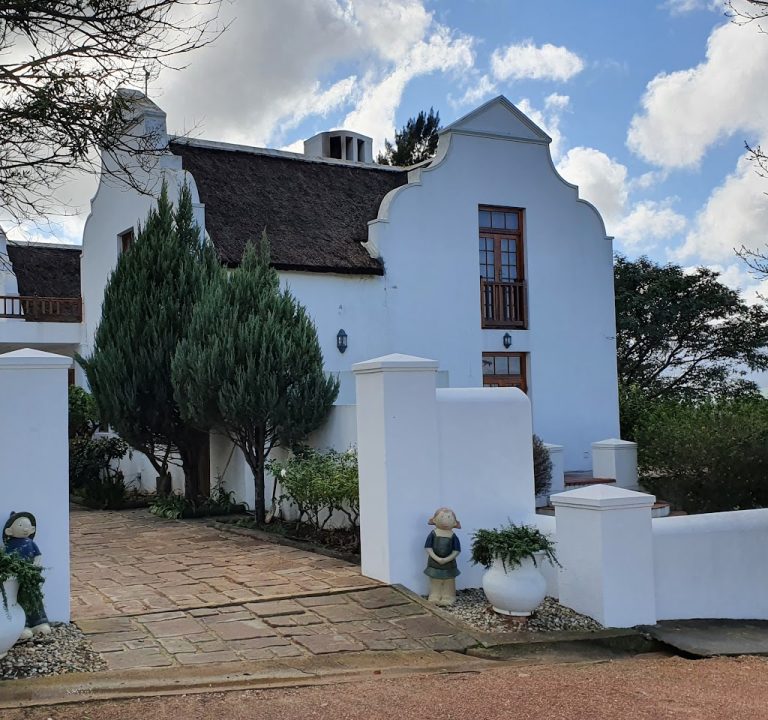
Tulbagh, tucked in the Winterhoek mountains of the Western Cape, offers a compact, beautifully preserved historic town complemented by a surrounding wine and fruit farming region. Its laid‑back pace, whitewashed colonial façades and leafy town streets make it ideal for travellers seeking a restful break with easy access to nature, culture and good food. Whether you prefer a self‑catering farm stay, a cosy guesthouse, or a polished boutique hotel, Tulbagh suits a range of tastes and budgets.
When planning a stay, consider where you want to base yourself. The historic town centre is convenient for strolls along Church Street, where many houses are protected as national monuments and where several galleries, cafés and small shops populate a tight, walkable grid. If you are exploring the countryside, look for accommodation slightly outside the town core or at vineyard estates for quicker access to rural trails and panoramic views. For families or groups, self‑catering cottages and farm houses offer the most flexibility, while couples may enjoy intimate guesthouses with personalised service.
Typical amenities across Tulbagh’s accommodation spectrum include well‑equipped kitchens or kitchenettes, private en‑suite bathrooms, and comfortable living spaces. Expect reliable housekeeping, secure parking, and sometimes outdoor terraces or patios with vineyard or mountain views. If you are visiting during the cooler months, many properties provide fireplaces or heating, and some may have swimming pools for the warmer seasons. Families should check for yard space or play areas, and for those who rely on mobile data, note that wi‑fi availability can vary by property. If you are exploring wine routes, it is worth asking about guided tastings or partnerships with local estates.
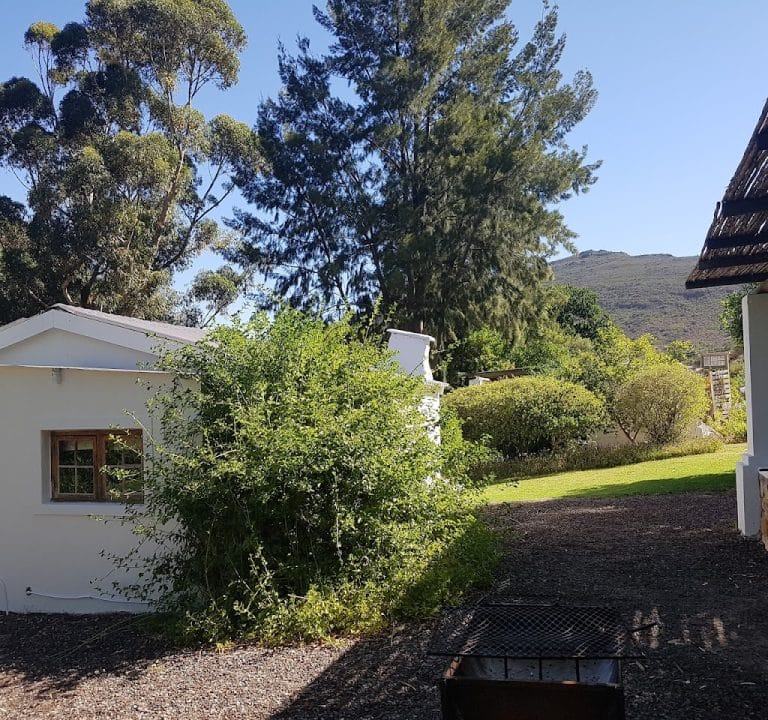
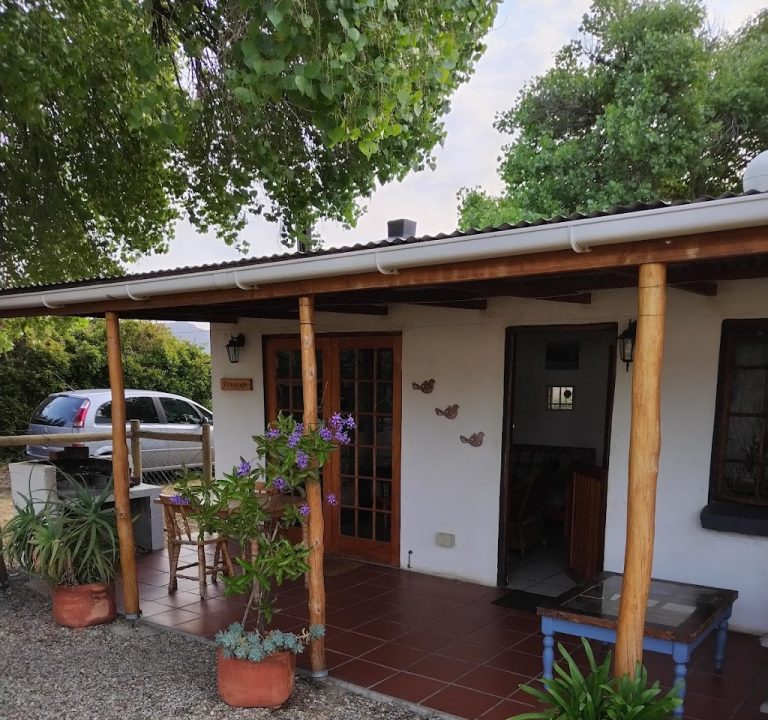
One notable example within the region is a self‑catering option associated with a wine estate that offers cottages set among vineyards. Such properties typically combine a rustic charm with modern conveniences, presenting a relaxing base for day trips into the Tulbagh Valley’s orchards, wine farms and hiking paths. For booking particulars, you can visit the property's official site for information on rates, minimum stays, and seasonal variations. Always confirm cancellation policies and whether the rate includes utilities or housekeeping when comparing options.
Getting around Tulbagh is straightforward with a car; the town is compact, but some attractions lie along winding country roads and gravel lanes. If you are staying on a vineyard estate, shuttle arrangements or friendly hosts can help with short transfers to the town centre or nearby trailheads. Public transport is limited, so most visitors find it easiest to drive from Cape Town, which sits roughly a couple of hours away by road, depending on traffic and the chosen route. It is wise to plan a relaxed itinerary with a mix of indoor and outdoor activities to align with the day’s light and weather.
Best time to visit Tulbagh blends wildlife, flowering seasons and harvest periods. Spring (late August to November) brings fresh greenery and wildflowers, while autumn (March to May) delivers mild days and slower crowds, ideal for winery visits and tranquil countryside walks. The town’s historic architecture is a year‑round draw, but spring and autumn often provide the most comfortable conditions for exploring on foot or by bicycle. Winter brings cooler evenings, so pack a warm layer for evenings in the town or along the mountainsides, and summer offers longer daylight hours and the chance to enjoy outdoor terraces and poolside lounging at the right properties.
Plan ahead by listing a few key interests: a gentle town stroll to admire the Dutch‑style façades; a day visiting nearby wine estates or fruit farms; a short hike in the surrounding hills; and a relaxed meal at one of Tulbagh’s dining options that emphasise seasonal produce. If you enjoy culture, look out for small galleries and occasional live performances in or near the town square. For wine lovers, a light itinerary that includes a few well‑placed tastings can be very satisfying without overwhelming the day.
Practical tips for a smooth stay:
- Book early for peak seasons, especially during harvest time, as options can fill quickly.
- Check if your chosen property offers a fireplace or outdoor seating, as evenings can be cooler even in warmer months.
- Ask about self‑catering facilities, and whether groceries or breakfast supplies can be delivered to your accommodation.
- Inquire about local dining reservations or recommended eateries to avoid peak crowds.
- Bring comfortable walking shoes for the town’s streets and light trails nearby.
Beyond the rooms, Tulbagh offers a gentle itinerary of experiences. Wine enthusiasts can expect a friendly, unpretentious tasting culture across the valley, with many estates offering guided tastings that emphasise terroir and traditional methods. Food lovers will enjoy seasonal menus based on produce from the valley floor and surrounding farms. For a quintessential rural day, consider a visit to in‑region orchards or olive groves, followed by a relaxed meal at a country kitchen or on a winery terrace.
To inspire your stay, you can explore accommodation options linked to working farms or vineyards, such as Oudekloof Farm Cottages, a self‑catering option that situates guests in a tranquil countryside setting while remaining within reach of Tulbagh’s amenities. For more information, visit the property’s website at Oudekloof Farm Cottages.
Whether you are chasing a peaceful escape, a subtle blend of culture and wine, or a family‑friendly break in a scenic valley, Tulbagh presents a compact, friendly stopover with plenty to explore. With careful planning, your stay can be as relaxed or active as you wish, offering a true taste of the Western Cape’s countryside and hospitality.