Staying in Tulbagh: accommodation ideas, planning tips and what to explore
Tulbagh, high in the Western Cape’s farmlands, offers a serene escape from the bustle of larger cities while delivering authentic South African hospitality. The town’s historic streets, surrounded by rolling vineyards and rugged mountains, make it an appealing destination for travellers seeking a relaxed stay with easy access to nature, wine, and country dining. When planning a visit, consider the different neighbourhoods and what kind of stay will best frame your plans—from charming guest houses in the town centre to self‑catering retreats on the outskirts and quiet lodges tucked away along country lanes.
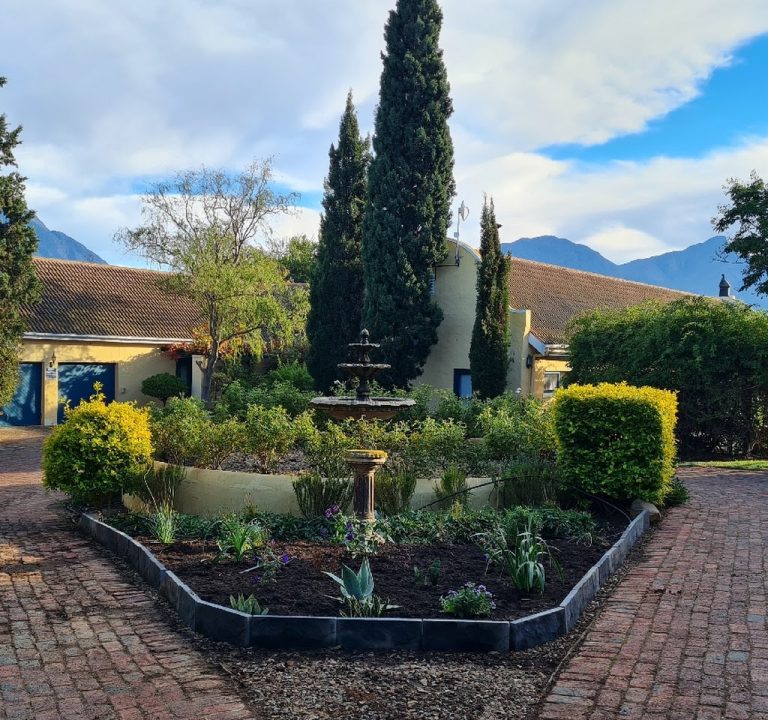
Accommodation options in Tulbagh range from intimate guest houses and B&Bs to small boutique hotels and self‑catering cottages. Many properties are housed in former merchants’ or servants’ quarters, giving you a flavour of old‑South Africa alongside modern comforts. Typical amenities you can expect include comfortable en‑suite bedrooms, private entrances or verandas, daily or optional breakfast, free Wi‑Fi, and secure parking. Some properties offer guest lounges, outdoor seating with garden views, or small plunge pools to cool off after a day of exploring. If you are travelling with family or friends, look for larger suites, self‑catering facilities, and extra storage space in the room or in separate cottages on the same property.
When booking, think about the experience you want. A stay in the town centre is ideal for easy walking access to architecture‑loving strolls, coffee shops, and local eateries, while a countryside retreat on the outskirts can provide more seclusion and direct access to wine farms and hiking trails. If you rely on public transport, check proximity to main roads and taxi availability; if you’re renting a car, confirm parking arrangements and whether the property offers secure, shaded spaces. For travellers who value sustainability, ask about eco‑friendly practices such as water‑efficient fittings, recycling options, and energy‑saving measures. Many Tulbagh hosts are happy to share local knowledge, from best wine estates to seasonal events, which can elevate your stay considerably.
Best time to visit Tulbagh depends on what you want to do. Spring (August to October) brings colourful scenery with wildflowers in bloom and milder daytime temperatures, making it a popular period for outdoor activities and photography. Summer tends to be warm and dry, suitable for day trips to nearby farms and longer walks in the surrounding hills. Autumn brings softer light and agreeable temperatures, ideal for vineyard tours and relaxed dining. Winter is cooler and quieter, offering cosy evenings beside a fire and the chance to explore museums and indoor attractions at a relaxed pace. If your focus is wine, plan around the harvest season and obvious tasting opportunities, but always check opening times with individual estates as schedules can vary during peak periods.
Getting around Tulbagh is easiest with a car. The town is compact enough for pleasant strolls, but many attractions—vineyards, nature reserves, and viewpoints—are spread along surrounding country lanes that are best reached by road. Some guest houses and lodges may offer pre‑arranged tours or shuttle options, which can simplify evening dining plans or winery visits. If you prefer a guided experience, you will find local operators offering day trips to nearby estates, hiking routes, and cultural experiences; these can be a convenient way to uncover the story of the valley and its people without the hassle of planning every detail.
Dining in Tulbagh ranges from casual cafés and bakeries to more formal restaurant settings within guest houses or standalone venues. Expect farm‑to‑table offerings, savoury stews, fresh breads, and seasonal vegetables sourced from the local area. Many places pair meals with in‑house wines, created using grapes from the surrounding vineyards. For a relaxed evening, a sunset drink on a terrace overlooking the valley is a simple pleasure, followed by a meal at a guest house restaurant or a cosy bistro in the town centre.
To help you plan, here is a quick checklist of practical considerations:
- Book well in advance for peak seasons, especially if you have specific dates or a particular property in mind such as a town‑centre guest house or a countryside retreat.
- Confirm what is included in the rate (breakfast, dietary options, Wi‑Fi, daily cleaning, parking) and any extra charges (late check‑in, shuttle services).
- Check access to facilities you value (private balcony, pool, garden seating, barbecue area) and any age or mobility considerations for guests in your party.
- Ask about nearby activities, such as nearby trails, winery collaborations, or farmers’ markets, to tailor your itinerary.
- Consider travel insurance and a flexible booking policy in case plans change due to weather or events in the region.
For inspiration and practical planning, a quick visit to the Western Cape tourism site or local tourism pages can provide an overview of what Tulbagh offers and current events. Montpellier De Tulbagh, as a guest‑house designation within the area, reflects the kind of intimate, guest‑focused stays you can expect—quiet, comfortable spaces with a flavour of the valley and a friendly welcome. Whether you choose to linger in the heart of town or retreat to a countryside haven, Tulbagh’s combination of historic charm, wine country ambience, and mountain scenery provides a memorable base for exploring the Western Cape. For more ideas and practical information, you can visit official tourism resources and local listings close to your dates and interests.