Stay in Tulbagh: accommodation, attractions and practical planning tips for a memorable visit
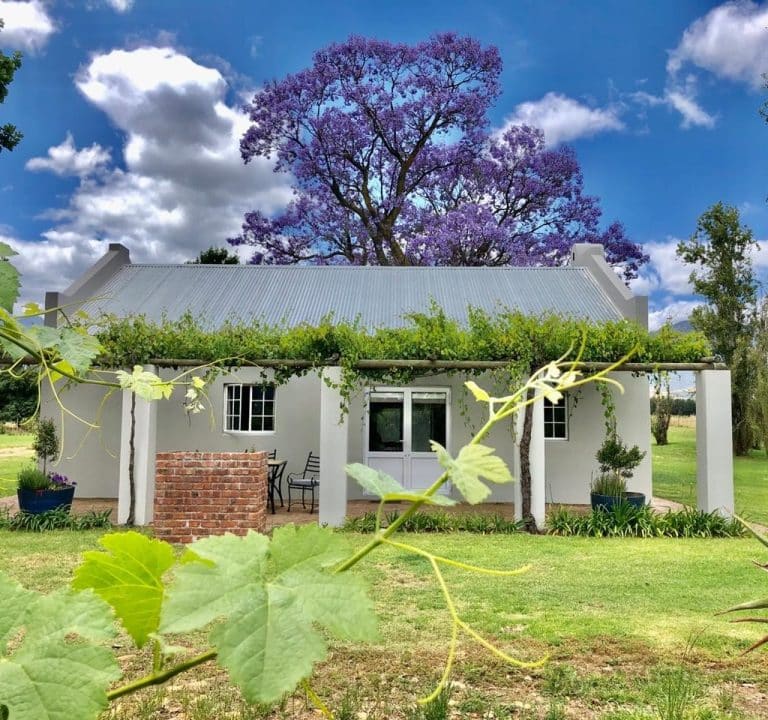
Tulbagh, tucked in the Western Cape’s Winelands, offers a satisfying mix of historic charm, natural beauty and relaxed country hospitality. Whether you’re seeking a refined country escape, a laid‑back rural retreat or a comfortable base for exploring the surrounding vineyards, Tulbagh can cater to a range of preferences. Accommodation ranges from characterful guesthouses and hotels to self‑catering escapes with splendid views of the valley and surrounding farms. A stay often combines easy access to heritage streets, wine estates and scenic walks with the quiet pace that makes a South African village feel timeless.
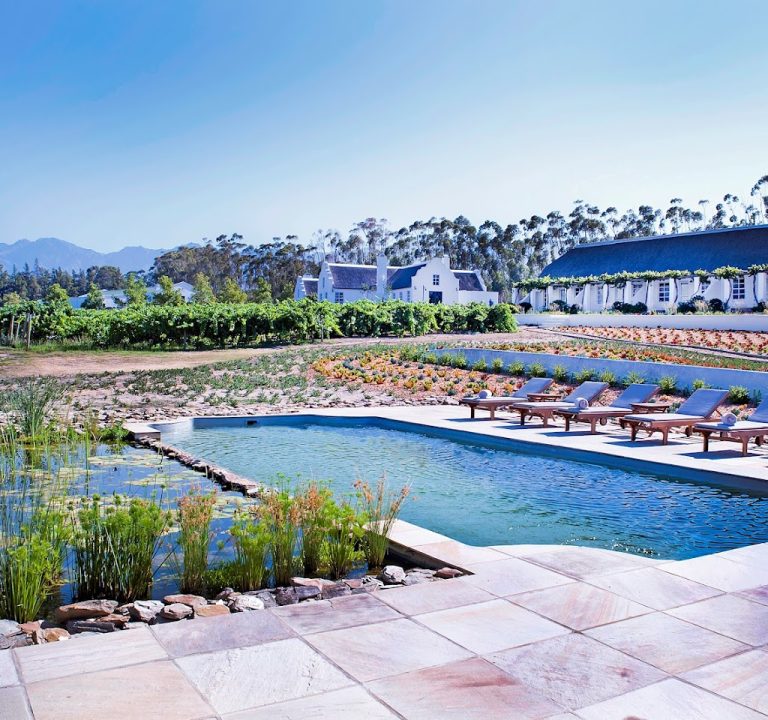
When planning a stay, start by choosing the area that best suits your plans. The town centre is ideal for those who want walking access to historic buildings, cafés and shops, plus a compact, easy‑to‑navigate base for day trips. If you prefer a more secluded atmosphere, consider hinterland pockets or farm‑style properties a short drive from the town, where you can wake to birdsong, open skies and wide panoramas. For travellers who like to combine comfort with countryside ambience, a small country house or boutique hotel on a wine estate can offer serene terraces, pools and easy access to vineyard trails.
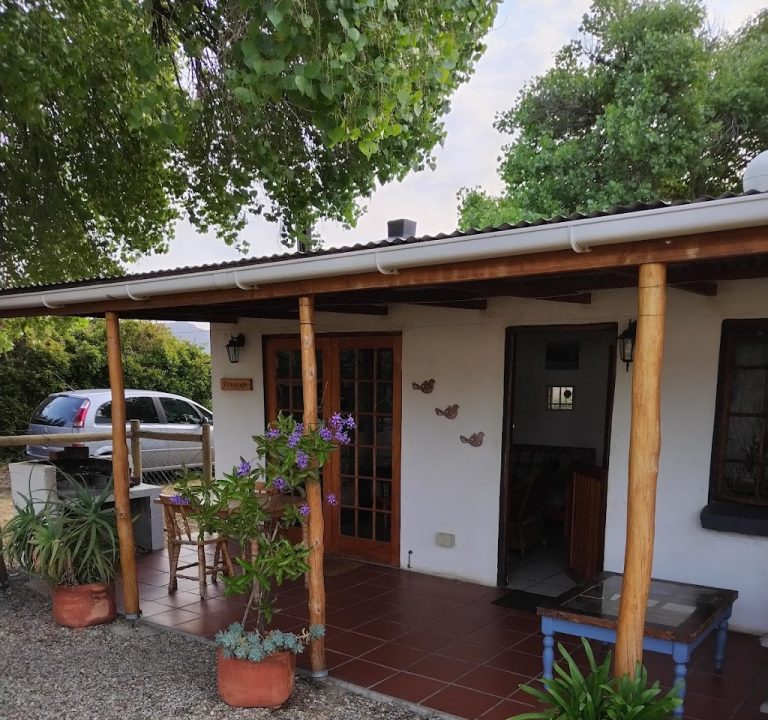
Typical amenities you can expect include en‑suite bathrooms, guest lounge areas, reliable wifi, and on‑site dining or in‑room self‑catering facilities. Many boutique properties in Tulbagh emphasise a personalised service, with hosts available to recommend local routes, farm stalls and wine tastings. Some establishments may provide curated experiences such as cellar visits, vineyard walks, or guided island‑style picnics in the surrounding countryside. If you’re travelling with family or a group, look for larger suites, interconnecting rooms or private garden spaces. For shorter city‑break breaks, a well‑located guesthouse with a hearty breakfast and a cosy sitting room can be a great winer choice after day trips into the Winelands.
Transport options are straightforward for Tulbagh. The town is best accessed by car, so a self‑drive break gives you freedom to explore the surrounding wine estates, fruit farms and nature walks at your own pace. If you’re arriving from Cape Town or the surrounding region, check the routes and driving times in advance, and plan a couple of scenic stops along the way. Once in Tulbagh, most attractions are easily reached by car, with parking available at many accommodation providers and visitor sites. A map or a reliable online route planner will help you organise day trips to nearby farm stalls, historic districts and walking trails.
The best time to visit Tulbagh depends on what you want from your trip. Spring (September to November) brings fresh greenery and blossom, while autumn (March to May) offers mild days and colourful vineyards as the harvest gathers pace. Summer is typically warm and sunny, ideal for outdoor strolls and vineyard tours, whereas winter can be cool and serene, with crisp nights that are perfect for stargazing and enjoying fireside moments in a cosy guestroom. If you’re planning a wine‑focused visit, align your stay with the harvest season to witness the countryside in full seasonal colour and activity.
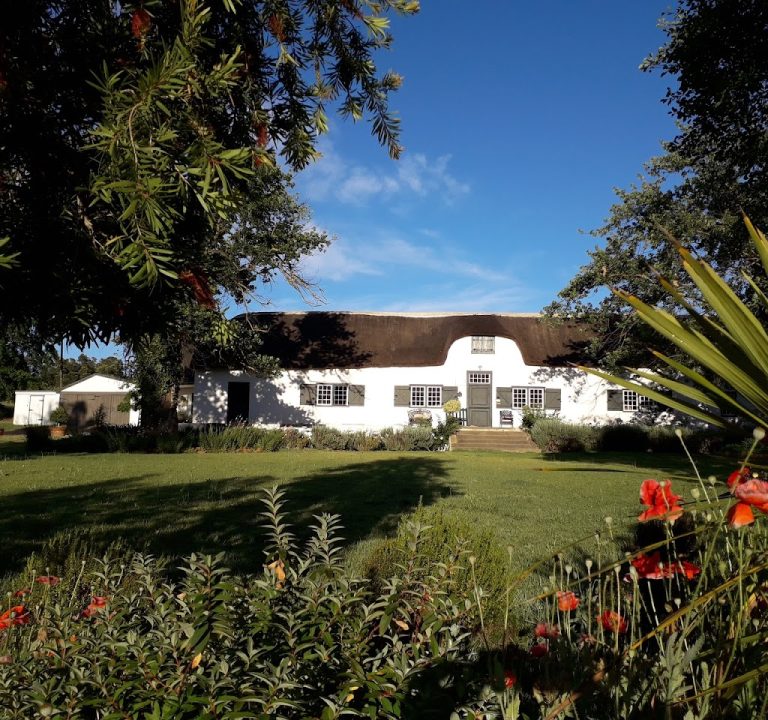
Attractions in and around Tulbagh are varied and friendly to a wide range of interests. A stroll through the town centre reveals well‑preserved Cape Dutch façades and a sense of history that is best absorbed at a relaxed pace. The surrounding landscapes offer vineyard trails, olive groves and nature walks with rewarding viewpoints over the valley. For those who prefer museums and heritage, there are curated displays and architecture that illustrate the area’s rich past. Outdoor lovers can enjoy gentle hikes, picnic spots and scenic drives that showcase the beauty of the Western Cape’s winelands and mountain backdrop. In the evenings, you’ll find a handful of dining options in town—from casual eateries to more contemporary cafés—where you can sample seasonal produce and regional flavours in a friendly, unhurried setting.
When it comes to planning practical details, consider the following tips to make the most of your Tulbagh stay:
- Book a property with clear information on parking, access, and any on‑site dining facilities so you have a smooth arrival.
- Look for flexible booking policies and up‑front information about cancellation, especially if travel plans may shift.
- Check what is included in breakfast offers or kitchen facilities if you prefer self‑catering options.
- Assess proximity to the town centre versus quieter rural settings to align with your daily schedule and energy levels.
- Ask hosts for current activity suggestions, such as vineyard walks, farm strolls and local markets, to maximise your time in the area.
An example of accommodation in Tulbagh that embodies the sense of place is Duikersdrift Winelands Country Escape. Set within the wine country landscape, it reflects the relaxed character of the region while offering comfortable accommodation and the opportunity to explore nearby estates and countryside routes through a dedicated website at the property’s site. If you’re curious about homely, well‑located options with a focus on the winelands experience, exploring a few different properties can help you compare rooms, layouts and the ambience of each setting.
Finally, a well‑planned itinerary can enhance your Tulbagh visit. Balance heritage walks with wine tastings, a bracing mountain drive or a gentle day trip to orchard farms, then end with a relaxed evening meal that showcases local ingredients. With its historic core, scenic surrounds and friendly guesthouses, Tulbagh offers a quintessential escape that blends comfort with nature and culture, making it well worth a thoughtful few days in the Western Cape.