Staying in Cape Town: where to base yourself, what to expect, and how to make the most of it
Cape Town offers a lively mix of coastline, mountains, cuisine and culture that can be enjoyed across a range of accommodation styles—from boutique hotels and guesthouses to modern lodges and serviced apartments. When planning a stay, consider choosing a neighbourhood that fits your itinerary, accessibility needs and preferred pace. Whether you want front-row views of the Atlantic from the Atlantic Seaboard, easy access to city sights in the central areas, or a quieter hillside escape with vineyard potential nearby, there are options to suit most travellers and budgets.
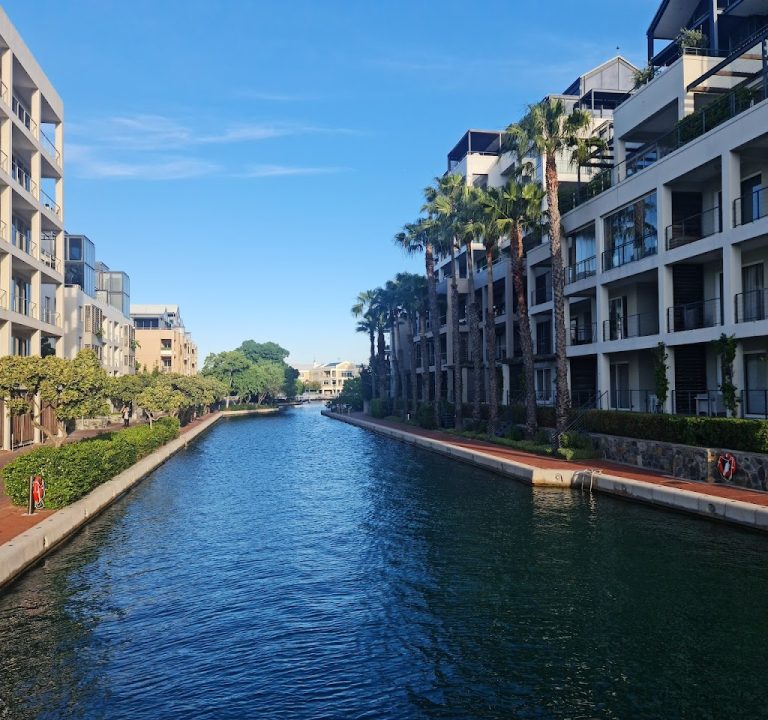
First, think about the core areas. The V&A Waterfront and the central city (often referred to as the City Bowl) offer convenient access to museums, markets, bars and restaurants, with many properties offering stylish rooms and guest services aimed at short stays. The Atlantic Seaboard, including Camps Bay and Clifton, is prized for sunset panoramas over the ocean and a chic, resort-like ambience. Constantia Valley provides a more relaxed backdrop with leafy streets and wine estates, ideal for visitors who want to combine city sights with day trips into nature or wine country. Woodstock and Observatory have a creative edge with independent cafés, quirky shops and street art, while the southern suburbs offer a mix of guesthouses and lodges near mountains and nature reserves.
When evaluating accommodation, look for a balance of location, comfort and practicality. A good starting point is to determine how you’ll move around daily: whether you’ll rely on public transport, ridesharing, or a rental car. Cape Town’s MyCiTi bus network covers many routes, but some neighbourhoods are easier to access on foot or by taxi from a central base. If you plan day trips to iconic sites like Table Mountain, Cape Point, or nearby wine routes, a hire car can provide flexibility, though parking considerations in busy areas are worth noting in advance.
Typical amenities to expect include reliable wi‑fi, daily housekeeping, secure access, and in-room climate control. Many hotels and guesthouses in Cape Town provide breakfast options, either included or available as part of a package, and some offer on-site dining, spa facilities, or gyms. If you have specific needs—couples’ celebrations, family rooms, accessibility features, or pet-friendly options—filtering by these criteria during search is wise. As you refine choices, read guest reviews to gauge real-world experience, particularly regarding noise levels, neighbourhood vibe, and the responsiveness of staff.
Best time to visit Cape Town depends on your priorities. Summer (roughly December to February) brings longer days, more outdoor activities, and vibrant beachside scenes, but it is also peak season and busier. Autumn (March to May) offers milder weather and fewer crowds, with excellent conditions for hiking and vineyard visits. Winter (June to August) can be cooler and windier, yet the city’s indoor attractions, markets, and restaurants remain welcoming, and you’ll often find more favourable rates. Spring (September to November) brings fresh greenery and pleasant temperatures. For outdoor pursuits such as Table Mountain, rain or cloud cover can impact visibility, so plan a window for clear days if you’re aiming for views or high-altitude trails.
To help you plan, here are practical considerations to guide bookings and itineraries:
- Location vs. pace: decide whether you want a walkable base for museums and dining or a quieter retreat with scenic views and easy access to nature.
- Access and transport: check how close the property is to main roads, bus routes or taxi services, and whether parking is provided if you’re renting a car.
- Room configuration: if travelling with family or friends, seek multi‑bed options, suites or interconnecting rooms to keep everyone together.
- Safety and security: look for properties with secure entry, sensible lighting and informed staff about local advisories.
- Sustainable practices: some places highlight energy efficiency, water-saving measures or locally sourced breakfasts, which may be important to you.
- Cancellation terms: seasonality in Cape Town can affect rates and availability; consider flexible options where possible.
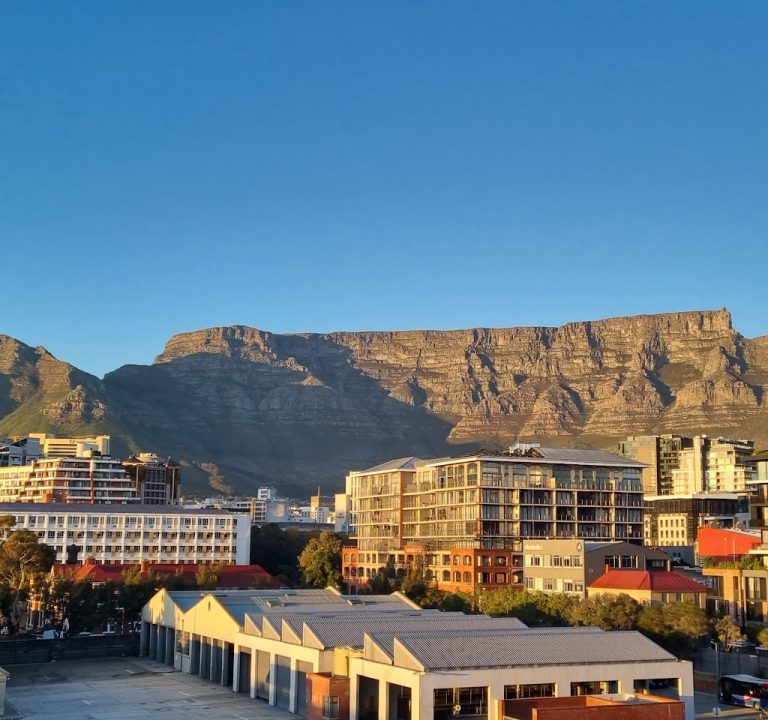
Beyond a comfortable base, there are plentiful ways to enrich your stay. Iconic natural attractions include the world‑famous Table Mountain, dramatic coastlines, penguin colonies along the False Bay coast, and botanical gardens that showcase the region’s biodiversity. Cultural highlights occur in museums, galleries and markets that celebrate Cape Malay heritage, contemporary art, and street craftsmanship. Food and drink experiences range from bustling market eateries and seafood shacks along the coast to refined dining rooms that emphasise South African produce and international techniques. For a relaxed day, you might linger over a long brunch in a harbour-side setting, followed by a stroll along the waterfront or a hop between hillside viewpoints to capture the city’s spectacular panoramas.
Accommodation such as the Old Foundry Hotel embodies a boutique approach that combines characterful interiors with modern comforts. To learn more about this property, you can visit its official website for current rooms, packages and dining options.
When planning your itinerary, it’s worth allocating time for a few must-see experiences, balanced with downtime to enjoy your hotel or guesthouse’s amenities. Whether you crave a dramatic Atlantic sunset, a stroll through botanical splendour, a tasting room in a vineyard, or a city stroll that reveals Cape Town’s architectural and culinary layers, the Cape Town experience rewards thoughtful planning and a willingness to explore at a relaxed pace.