Cape Town: Where to stay, what to do, and how to plan your visit
Cape Town combines dramatic natural scenery with a vibrant mix of neighbourhoods, stylish accommodation, and a wealth of experiences for every type of traveller. When planning a stay, consider the footprint you want to explore: the iconic city bowl and Table Mountain, the Atlantic-facing suburbs with beaches and sunsets, or the more laid‑back Atlantic Seaboard and Constantia wine routes. Each area has a distinct character and a different pace, making it worth booking a base that suits your itinerary and budget.
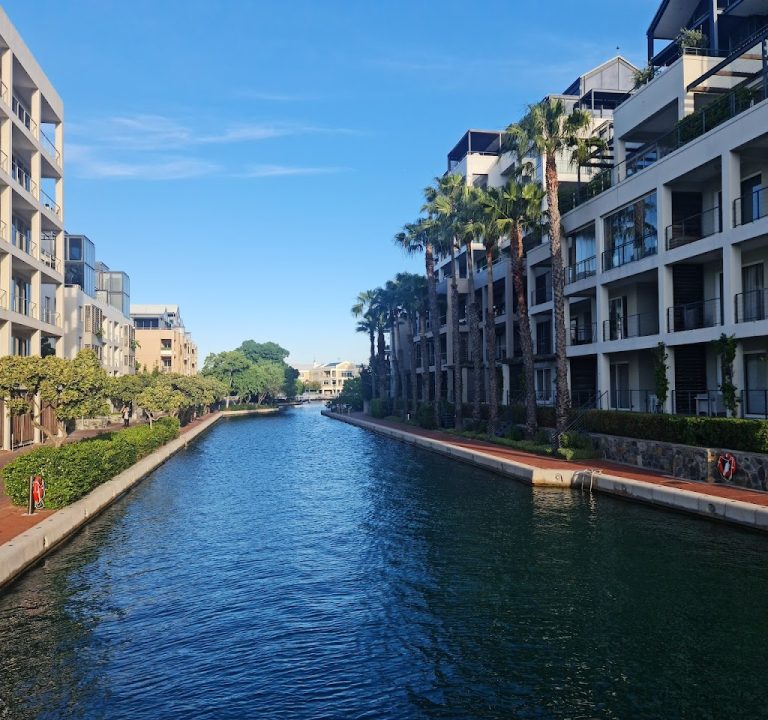
Accommodation in Cape Town ranges from boutique B&Bs and guesthouses to contemporary hotels and self‑catering apartments. If you want easy access to the city centre and the waterfront, you’ll find many options within walking distance or a short ride from popular sights. For coastal scenery and a relaxed vibe, the Atlantic Seaboard offers stylish hotels and self‑catering apartments with sea views. For a leafy, quieter escape and proximity to wine estates, Constantia and the southern suburbs are ideal. When you book, look for features that will enhance your stay: reliable wi‑fi, secure parking if you’re driving, a well-equipped kitchenette, and easy access to public transport or ridesharing services.
Typical amenities to expect include comfortable en‑suite bedrooms, daily housekeeping, on‑site dining or room service (where relevant), and concierge services that can help you arrange tours, restaurant reservations, and transfers. Many properties in Cape Town now offer flexible cancellation policies, useful when travel plans are uncertain. If you’re travelling with family or a group, consider serviced apartments or larger suites with separate living spaces and kitchen facilities for added convenience and value.
Transport in Cape Town is relatively straightforward but can be time‑consuming during peak hours. Options include rental cars, ridesharing apps, and organised tours that pick up from central locations. If you’re staying near the V&A Waterfront or the city centre, you may be able to rely on walks and short rides to most attractions. The MyCiTi bus network is a practical choice for longer journeys, and some areas have a limited tram or shuttle service in high season. It’s wise to plan day trips in advance—whether you want to ascend Table Mountain, explore the Cape Peninsula, or visit the nearby Winelands—and factor in extra travel time for unexpected delays, especially in peak periods or poor weather.
Best time to visit Cape Town depends on your priorities. The summer months (roughly December to February) bring warm days and calmer seas for beach days and outdoor markets, but can be busy. Spring (September to November) and autumn (March to May) offer mild weather, fewer crowds, and excellent scenery as wildflowers bloom and vineyards come alive. Winter (June to August) is cooler and changeable, with less predictable sea conditions but opportunities to enjoy city culture, indoor attractions, and excellent restaurant experiences. Always check local forecasts and crowd patterns when planning outdoor activities such as histrionic viewpoints or coastal hikes.
When planning your stay, consider a mix of accommodation types to balance convenience and immersion. A base in the city bowl is ideal for first‑time visitors who want quick access to Table Mountain cableway, the historic district, museums, and a broad array of dining options. A stay along the Atlantic Seaboard, with its beaches and scenic drives, suits travellers seeking a relaxed rhythm and photogenic sunsets. For wildlife, nature escapes, and wine experiences, a few nights in Constantia or nearby wine routes can be wonderfully restorative. If you’re a foodie, prioritise areas with a variety of eateries ranging from casual bistros to fine dining, and use your chosen base to access markets and seasonal produce stands.
Practical tips to help you book and enjoy your stay:
- Check the exact location on a map and estimate travel times to your must‑see sights, especially if you plan to rely on taxis or rideshares during peak hours.
- Ask about kitchen facilities or breakfast options if you prefer self‑catering or a lighter morning start before a day of exploration.
- In peak season, compare properties within walking distance of main attractions to avoid heavy traffic and parking issues.
- Look for properties with good security, clear access instructions, and easy check‑in/out procedures.
- Read recent guest reviews focusing on comfort, noise levels, and the responsiveness of staff or hosts.
Attractions and experiences in Cape Town span natural wonders, cultural heritage, and contemporary food scenes. You’ll find iconic viewpoints and trails such as Table Mountain and the surrounding nature reserves, historic districts rich with architecture and stories, and waterfront areas offering leisurely promenades and markets. Dining options range from informal eateries serving local favourites to sophisticated venues showcasing seasonal produce and innovative techniques. Guided tours—whether on land or by sea—can enhance your understanding of the city’s geology, maritime history, and diverse communities. For a well‑rounded visit, pair your stay with a day trip to the Cape Peninsula, a wine‑tuelled excursion to the Winelands, or a scenic drive along the coastal routes to capture the region’s striking beauty.
Cape Town offers a balance of memorable stays and meaningful experiences. By selecting your base thoughtfully, planning transport ahead of time, and booking with flexible terms where possible, you can tailor a visit that feels relaxed, authentic, and well‑paced. For more information on accommodation options and planning resources, you can visit reputable property and tourism sites that compile user reviews, area guides, and practical tips to help you make the most of your time in the Western Cape.