accommodation and stay tips for Cape Town, Western Cape
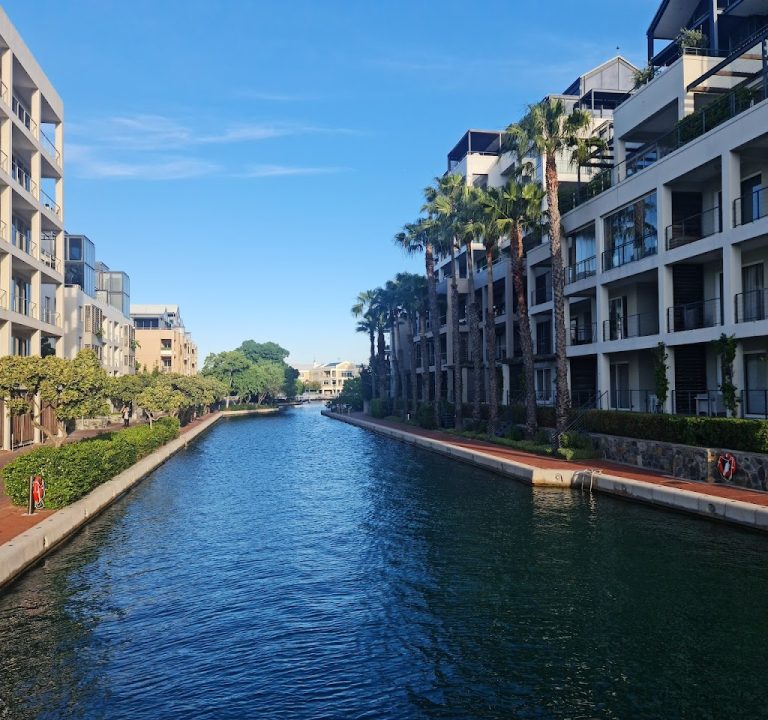
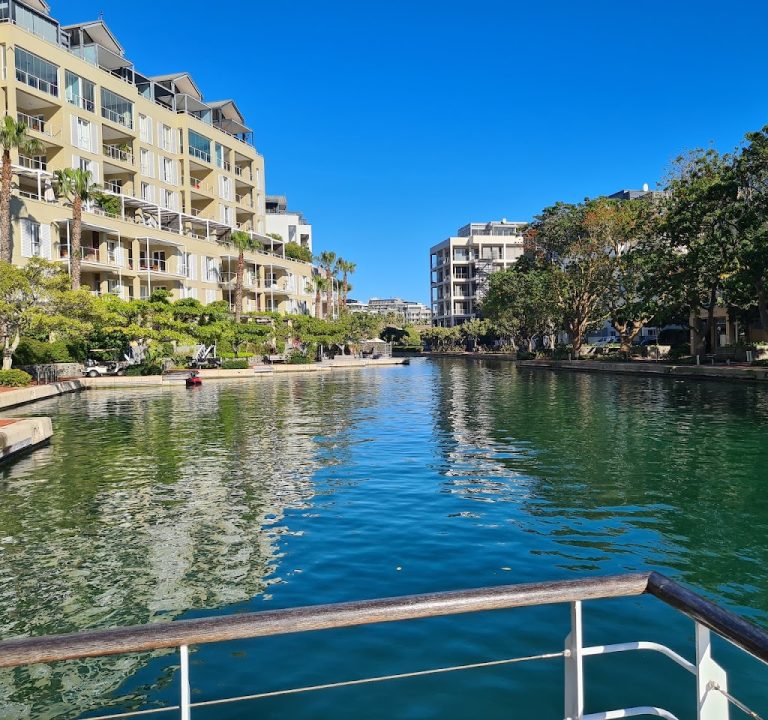
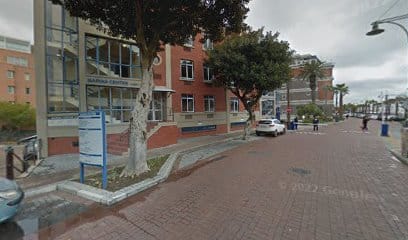
Cape Town is a city of exceptional contrast, where coastal vistas meet table‑top scenery and a vibrant food culture. When planning a stay, consider the range of neighbourhoods that suit different itineraries, from bustling waterfront districts to peaceful Atlantic seaboard suburbs and hillside retreats with sweeping views. Accommodation options span boutique guesthouses, modern hotels, guest-friendly apartment hotels, and longer‑stay residences, such as those found in contemporary estates such as Marina Residential Estate. Each area offers its own rhythm, access to transport, and proximity to attractions, restaurants and activities.
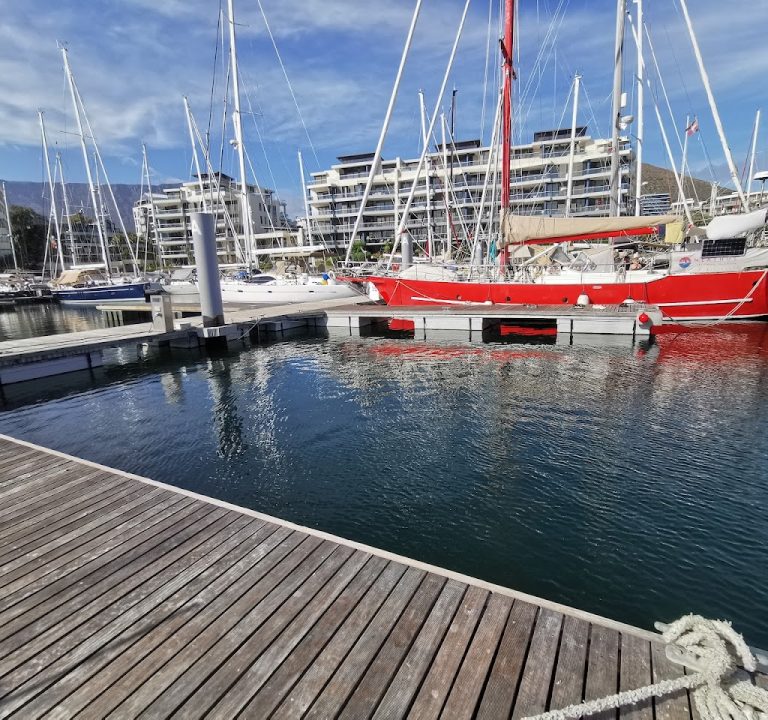
Areas to consider include the central city and foreshore for convenience and nightlife; the historic Bo-Kaap and colourful neighbourhoods for culture and city views; Camps Bay and Clifton for beaches and sunset scenery; and the Atlantic Seaboard and Victoria & Alfred Waterfront for harbour walks and easy access to tours and cafes. For those seeking a relaxed, family‑friendly base, exclusive coastal estates and secure residential developments often provide well‑equipped apartments, on-site gyms, and communal pools, with opportunities to sample the sea air while staying close to urban amenities.
When booking, look for clear details on the following:
- Location and access: proximity to MyCiTi bus routes, major roads, or a reliable Uber/taxi option for evenings. If you plan day trips to the Cape Winelands or Cape Point, check the ease of access for a rental car or organised tours.
- Room configuration: inquire about en‑suite bathrooms, quiet rooms, and whether there are self‑catering options if you value independence. Some properties offer compact kitchens or coffee stations that save time in the morning.
- Amenities: free Wi‑Fi, secure parking, daily housekeeping, 24‑hour reception, and access to on‑site dining or in‑house wellness facilities can significantly improve comfort on longer stays.
- Safety and security: well‑lit entrances, controlled access, and staff or concierge support provide peace of mind in urban environments and coastal neighbourhoods alike.
- Cancellation policies: flexible options can be valuable, especially when weather or travel plans may shift.
Typical amenities you may encounter include air conditioning or ceiling fans for Cape Town’s warm summers, heated pools for cooler evenings, well‑equipped kitchens or kitchenettes, laundry facilities, and outdoor spaces such as balconies or courtyards. Some boutique hotels emphasise personalised service and regional touches, while larger properties may offer fitness studios, business lounges, and meeting facilities. If you are visiting with family, check for child‑friendly spaces, cribs, and accessibility features if needed.
Transport options in Cape Town are varied. The MyCiTi bus network provides affordable city travel and reliable routes between the city centre and popular seaside suburbs. Taxis and rideshares are convenient for evening meals or reaching shorter‑haul excursions. For those planning day trips to the Cape Winelands, Cape Point, or the penguin precinct at Boulders Beach, a rental car or a guided tour can be the simplest solution. If you enjoy scenic routes, consider staying somewhere with straightforward access to coastal drives and mountain viewpoints.
Best time to visit Cape Town hinges on weather and outdoor plans. Spring (September to November) brings mild days and blooming gardens, while the summer peak (December to February) offers long days for beach activities and harbour strolls. Autumn (March to May) can be pleasantly warm with fewer crowds, and winter (June to August) is cooler and wetter, ideal for rugged coastal walks and enjoying cosy dining spots. Pack layers for rapidly changing coastal conditions, respect sun protection on bright days, and plan indoor alternatives for rainy spells.
Practical tips to help you plan a smoother stay:
- Book accommodation with flexible policies if you anticipate changes to your travel plans.
- Ask about parking arrangements and whether the property offers shuttle or transfer services from the airport or railway station.
- Verify dining options within the property or nearby, especially if you prefer a half‑board or fully serviced stay.
- Consider accessing a mix of experiences—city tours, nature hikes, and coastal activities—to make the most of a Cape Town visit without long daily commutes.
- Plan 1–2 longer full‑day outings (such as a mountain or wine‑region excursion) and leave some downtime to explore local markets, cafés, and waterfront promenades.
Attractions and experiences across the Cape Town region tend to fall into a few broad categories. Natural wonders—such as the iconic plateau of Table Mountain and sweeping ocean views—offer several cable car or hiking options. The harbour area and waterfront precinct provide easy access to museums, galleries, and scenic walks, while the coastal suburbs offer beaches and scenic drives along the Atlantic coast. City promenades, markets, and informal eateries provide opportunities to sample local flavours without committing to formal dining every night. For those seeking a blend of culture and scenery, day trips to nearby wine estates or nature reserves make for memorable additions to a relaxed itinerary.
When selecting restaurants, aim for places with a welcoming staff and a relaxed, local atmosphere, and be prepared for seafood specialties and modern South African cuisine that highlights fresh ingredients. Reservations are wise for popular spots, especially during peak season. Many properties provide guest menus, or can recommend nearby venues that suit your budget and culinary preferences. Cape Town’s hospitality scene often emphasises seasonality, so you may discover new dishes or regional twists during your stay.
In summary, a well‑planned stay in Cape Town combines a chosen base with thoughtful attention to location, amenities, and transport, plus time to explore nature, culture, and dining at a comfortable pace. Whether you opt for a stylish hotel near the harbour, a beachfront apartment with sea breezes, or a secure estate retreat, you can tailor your stay to enjoy both the urban energy and the remarkable landscapes that define this unique corner of the Western Cape.