Accommodation and Experiences in Cape Town: Planning Your Stay in the Mother City
Cape Town offers a rich mix of accommodation styles, from stylish city-centre stays to cliff-top boltholes with sweeping ocean views. When planning a visit, think about what kind of base will suit your itinerary: whether you want easy access to the V&A Waterfront and central sights, or a more relaxed seaside vibe along the Atlantic Seaboard and Camps Bay. The city’s diverse neighbourhoods provide varied atmospheres—from buzzing urban culture to tranquil coastal retreats—so choosing the right area can shape your whole experience.
In central Cape Town, you’ll find several iconic landscapes within walking distance: Table Mountain views, historic streets, and a compact food and design scene. If you prefer a seaside backdrop with a gentle vibe, the Atlantic Seaboard stretches from Green Point up to Camps Bay, where beaches meet chic restaurants and sunset colours. For a more laid-back yet authentically Cape Town feel, look to former harbour and neighbourhoods along the Atlantic coast, or the leafy, historic quarters close to museums and government buildings in the City Bowl.
When booking, consider the following practicalities. Proximity to transport links can save time and hassle: many visitors prioritise access to a MyCiTi bus stop or a nearby station, plus convenient routes into the city centre or up the mountain. If you plan to explore beyond the city, look for guesthouses or hotels with easy access to road routes for day trips along the Atlantic coast or to the Cape Winelands. Some properties include shuttle services or offer rental cars, which can simplify trips to beaches, markets, and viewpoints.
Typical hotel and guesthouse amenities in Cape Town span thoughtful touches that enhance comfort and convenience. Expect secure on-site parking where available, strong Wi‑Fi, air conditioning or ceiling fans for the warmer months, and in many cases a well-equipped kitchenette or tea-and-coffee facilities in apartment-style stays. Guesthouses and boutique hotels often emphasise a personalised experience, with hosts able to suggest local activities, walking routes, and eateries. If you are visiting in peak season, check for late check-in options, breakfast offerings, and whether the accommodation has outdoor spaces for al fresco dining or sunsets.
Best time to visit Cape Town is influenced by weather and crowds. The summer months (roughly November to March) bring longer days and lively outdoor dining; however, popular spots can fill quickly. Shoulder seasons, such as spring and autumn, offer milder temperatures and fewer crowds, which can be ideal for scenic drives, hikes, and city exploration. For marine and nature lovers, winter (May to August) can bring cooler weather and occasional rain, but it’s also a period when mountains and coastlines take on a dramatic, dramatic charm and certain attractions stay open year-round. Regardless of when you go, plan for variable coastal winds and breezes, especially near the Atlantic coast and higher elevations on Table Mountain’s slopes.
Accommodation in Cape Town often comes with access to excellent dining within the same neighbourhood. In the City Bowl and around the V&A Waterfront, you’ll typically find a range of international and local flavours, from fresh seafood to modern South African cuisine. Along the Atlantic Seaboard, waterfront and hilltop venues offer contemporary menus with sea views, while suburbs further afield provide cosy bistros and casual eateries. When selecting where to stay, consider whether you’d prefer self-catering options for flexibility, or a full-service hotel experience with daily housekeeping and on-site facilities. If you’re charting a culinary-led trip, a base in or near a neighbourhood with a high concentration of eateries can reduce travel time and widen your choices for each meal.
For travellers planning itineraries, a mix of experiences helps reveal Cape Town’s breadth. Iconic sights include scenic coastal drives, viewpoints with sweeping city panoramas, and access to celebrated natural landscapes such as mountain trails and nature reserves. In addition to natural beauty, be sure to allow time for local markets, crafts and street-food scenes, and cultural districts where galleries and live music may feature as part of the day’s backdrop. Dining in Cape Town spans casual cafés to refined dining rooms—often with emphasis on seasonal produce and South African flavours—so a plan that balances meals with sightseeing will help prevent fatigue and maximise enjoyment.
Practical tips to consider when planning your stay:
- Book accommodation with clear cancellation terms and flexible dates where possible, especially if your plans may shift with weather or events.
- Ask about security features and communal spaces, particularly if you’ll be travelling with valuables or families.
- Check public transport access and arrange a pickup or transfer if you’ll be arriving late or want to avoid peak traffic.
- Consider a multi-night base in one or two areas to minimise daily commuting and to deepen your experience of neighbourhoods.
- Pack layers for changing coastal winds, and plan outdoor activities for mornings or late afternoons when light is best for photographs.
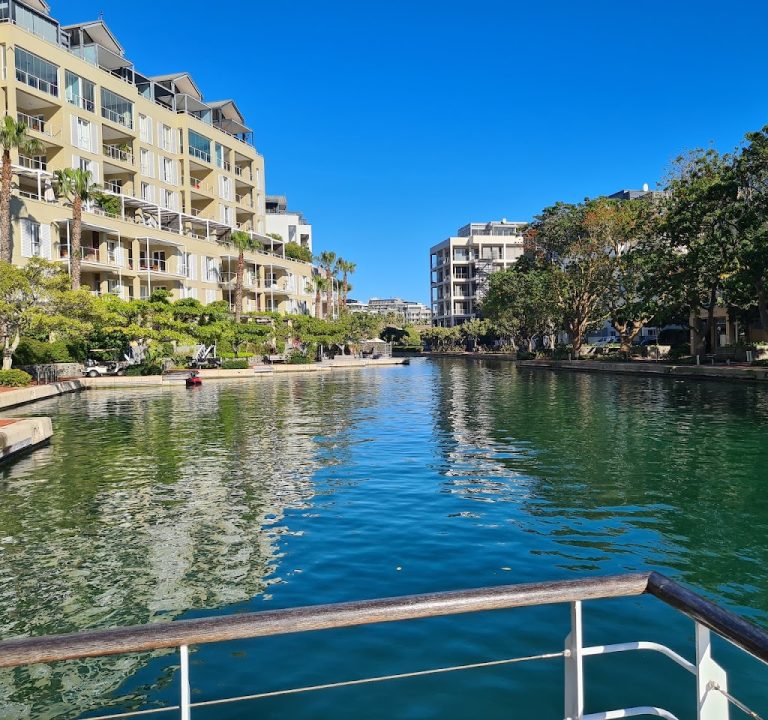
If you’re seeking accommodation that aligns with a waterfront feel, properties situated near the V&A Waterfront or on the nearby harbourfront can offer convenient access to promenades, markets, and a variety of dining options. For a more relaxed stay, boutique guesthouses and self-catering apartments along the Atlantic Seaboard provide convenient beach access, sunny verandahs, and easy routes to scenic drives along the coast. Regardless of your choice, Cape Town rewards visitors who balance exploration with downtime, and whose plans include a blend of scenic views, local cuisine, and comfortable, well-situated lodging. For further information and to explore specific properties, visit official tourism portals and the websites of individual accommodation providers.