<h2Staying in Cape Town: accommodation, attractions and practical tips
<pCape Town blends dramatic scenery with a rich mix of neighbourhoods, making it possible to tailor a stay to almost any traveller’s preference. From stylish boutique guesthouses and family-friendly lodges to modern hotels with harbour views, the city offers accommodation for a range of budgets and styles. When planning a stay, consider how you want to divide your days between the iconic sights, beaches, markets, and the easier pace of a neighbourhood base.
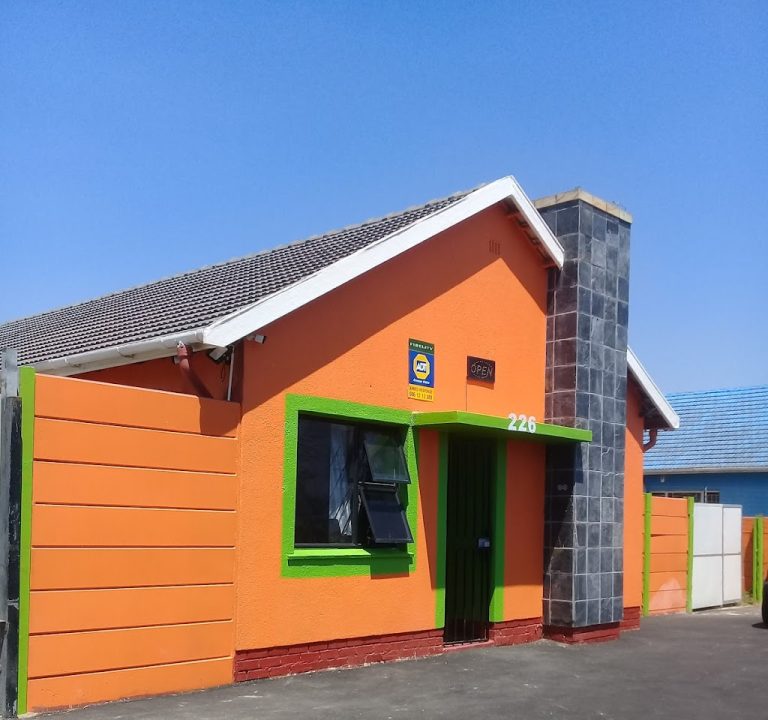
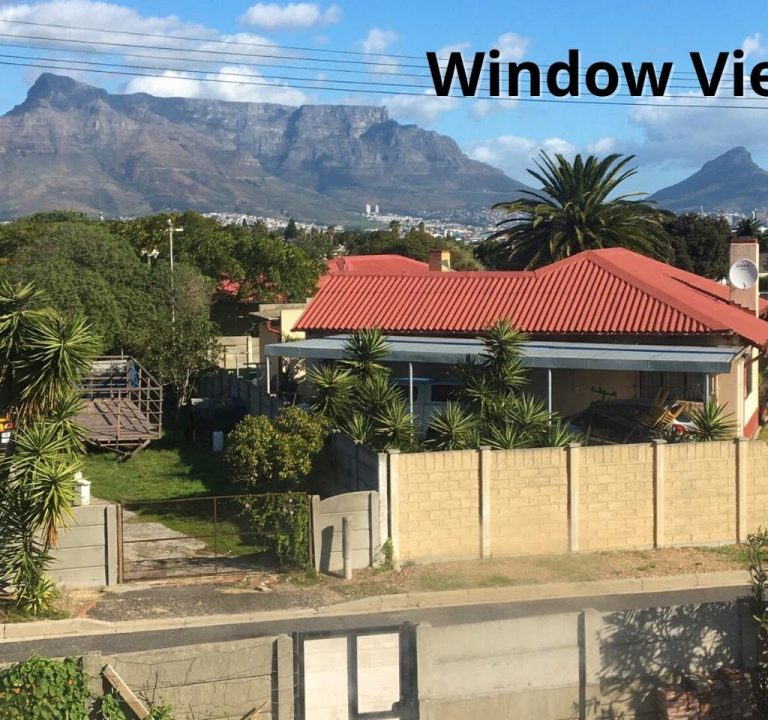
<pA good starting point is to think about areas that align with your interests and practical needs. The City Bowl and central districts are convenient for sightseeing and dining, with easy access to attractions such as Table Mountain, museums, and the V&A Waterfront. The Atlantic Seaboard (think Camps Bay and Clifton) offers dramatic coastline and sunset views, often with a more relaxed beach vibe. Constantia and the southern suburbs provide leafy tranquillity, wine estates and easy access to Kirstenbosch Gardens. If you’re after a true harbour atmosphere or easy day trips to Robben Island, a stay near the V&A Waterfront can be particularly convenient. For families or longer stays, self-catering apartments or guesthouses like Olabas Guesthouse can provide a comfortable base with space and flexibility.
<pWhen booking, look for clear details on location, access and cancellation terms. Check whether the property offers flexible cancellation, as plans can change. Read the room description carefully to understand what is included—some rooms come with en-suite bathrooms, others with shared facilities. Note whether breakfast is provided, or if there are kitchen facilities for self-catering. If you rely on public transport or rideshares, confirm how close the property is to main routes, taxi stands, or MyCiTi bus stops. Parking availability is another practical factor, especially if you are exploring by car or plan day trips beyond the city.
<pTypical amenities you may encounter include free Wi-Fi, clean daily housekeeping, quality bed linen, air conditioning or ceiling fans, tea and coffee provisions, and secure access. Some properties offer a pool, on-site dining, or 24-hour reception, which can be particularly welcome for late arrivals. For longer stays, ask about laundry facilities or services. When staying with boutique or smaller properties, it’s common to receive personalised recommendations from hosts on local experiences, markets and dining tucked away from the main tourist routes.
<pCape Town’s transport options help you move efficiently between sights. The MyCiTi bus network is an affordable way to reach central areas and the docklands, while Uber and other ride-hailing services are widely used for evening outings. If you plan to venture to the iconic Table Mountain, you’ll typically take a short taxi ride or rideshare to the base station and either hike or take the cable car up the mountain. For coastal day trips or wine-tasting in constantia valley, renting a car offers flexibility, though many areas around the city centre are walkable or well-served by taxis and rideshares.
<pThe best time to visit Cape Town depends on your plans. Spring (September to November) brings mild weather and flowering gardens; summer (December to February) offers long days and bustling outdoor venues; autumn (March to May) provides pleasant temperatures and fewer crowds; winter (June to August) is the quietest season, with cooler, wetter days and excellent value in some hotels and guesthouses. Consider wind conditions and sea temperatures if you plan beach days or sailing trips. If you’re chasing outdoor activities, mornings tend to be calmer and clearer, making it a practical window for hikes and coastal walks.
<pGeneral guidance for an enjoyable stay includes pre-booking key experiences, such as access to Table Mountain or Robben Island, where spaces can fill up quickly. For dining, Cape Town has a dynamic array of restaurants ranging from casual eateries to fine dining. Rather than focusing on individual names, look for places with strong local provenance, seasonal menus, and a welcoming atmosphere. Markets offer a wonderful way to sample regional foods, crafts and street performances—great for an easy afternoon or a family-friendly outing.
<pIf you’re planning a stay around Olabas Guesthouse or similar properties, you can expect a personalised setup that emphasises comfort and locality. Hosts in Cape Town often provide thoughtful tips on hidden cafés, coastal walks, scenic drives and quiet begins to your day. A well-chosen base will reduce transit time and allow you to experience a balance of city life, nature, and coastal leisure.
<pTo help you visualise a balanced itinerary, consider a combination approach: a couple of nights in a central, well-connected district for easy access to sights and dining, followed by a few nights in a coastal or southern suburb to enjoy beaches, gardens and wine regions nearby. Always have a rough plan but allow space for spontaneity—Cape Town rewards visitors who mix structured plans with relaxed exploration.
<pFor more information on Cape Town’s attractions and planning resources, you can visit official tourism pages and travel guides online. Practical tips, up-to-date transport routes and neighbourhood guides are often available via city tourism portals and reputable travel sites. A well-structured itinerary, flexible booking terms, and a comfortable, well-located base will help your stay in Cape Town feel effortless and enjoyable.
- Central City / City Bowl: close to major sights, easy dining and nightlife.
- Atlantic Seaboard (Camps Bay, Clifton): beaches and sunset views, often resort-style stays.
- Southern Suburbs (Constantia, Hout Bay): quieter nights, wine routes and gardens.
- V&A Waterfront: harbour atmosphere, easy access to excursions and tours.