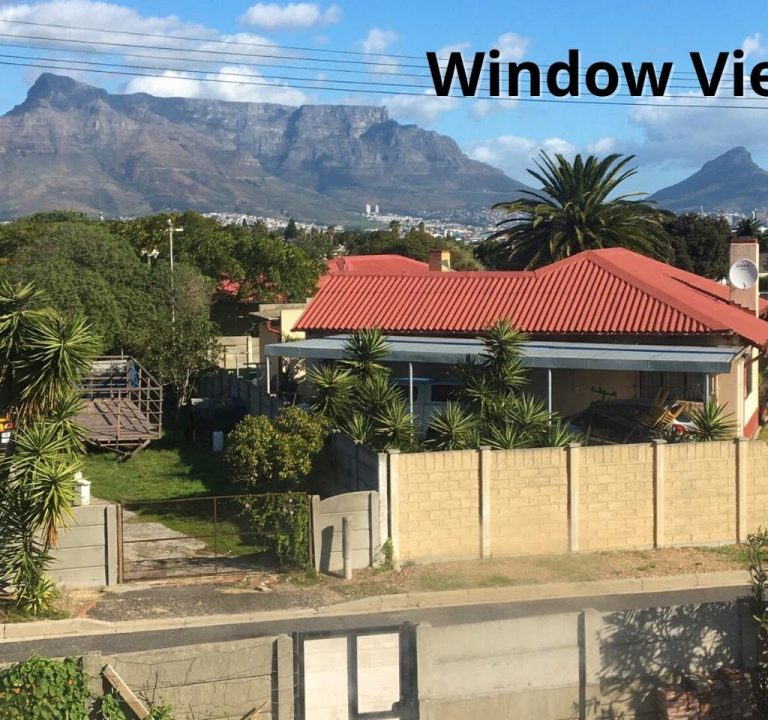
Choosing where to stay and what to do in Cape Town, Western Cape
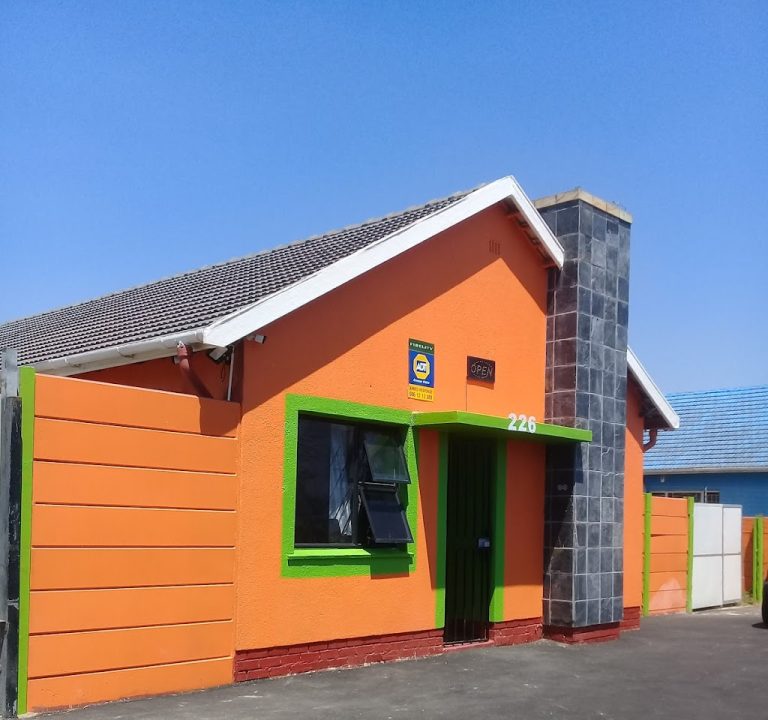
Cape Town offers a vibrant mix of self-catering stays, boutique guesthouses, and larger lodges set against a backdrop of mountains, sea and harbour. When planning a visit, begin by thinking about your preferred atmosphere: the buzz of the city centre, the beachy calm of the Atlantic Seaboard, or the leafy pace of Constantia and the Constantia Valley’s wine routes. For self-catering travellers, options range from compact apartment flats to spacious houses with panoramic views. Luc Lodge, a self-catering option in the area, exemplifies how thoughtfully designed spaces can be a comfortable home base while exploring the region.
Areas to consider reflect daily rhythms and accessibility to attractions. The City Bowl and Green Point are convenient for museums, nightlife and dining, with easy access to MyCiTi buses and taxi services. The Atlantic Seaboard, including Camps Bay and Clifton, is prized for coastal setting and sea breezes, though it can be busier in peak season. Constantia offers wine estates, leafy streets and tranquil stays away from the tourist crowds. For a harbour and waterfront focus, the V&A Waterfront area provides dramatic harbour views and proximity to boat trips, markets and dining without straying far from convenient transport links.
When you book, look for practical amenities that suit your travel style. Self-catering properties often advertise full kitchens, laundry facilities, and secure parking, alongside access to Wi‑Fi and shaded outdoor spaces. Smaller guesthouses may emphasise daily housekeeping, personalised service and breakfast options, while larger lodges can offer on-site staff, private terraces, and curated experiences. A reliable takeaway or supermarket nearby is valuable if you plan to cook most meals. For families, check for bedroom configurations, child-friendly spaces, and safe outdoor areas. If you are visiting for work or longer stays, confirm workspace conveniences such as a desk, charging stations, and quiet corners for productive time on the road.
Transport is a key planning factor. Cape Town’s public transport includes a metropolitan bus network with routes linking major hubs, though services can be less frequent in the evenings and on weekends outside the city centre. Many visitors opt for a mix of rideshares, taxi services, and car hire to explore beyond the central areas, especially if you plan day trips to the Cape Winelands, the Cape Peninsula scenic drives, or the nearby beaches. If you plan to drive along the coast, ensure your accommodation has secure parking and easy access to the main routes that head toward Constantia, Hout Bay, and the Cape Peninsula’s coastal roads.
The best time to visit Cape Town depends on your priorities. Spring (September to November) brings blooming gardens and pleasant weather, while autumn (March to May) offers mild days and fewer crowds. Summers are sunny and lively, perfect for beach days and outdoor markets, but can be busy and pricier. Winters (June to August) are cooler and wetter, yet many attractions remain accessible with a flexible itinerary. Pack layers for rapid weather changes, good sunscreen, a hat for sun protection, and comfortable walking shoes for mountainous terrain and long harbour walks. If you plan outdoor adventures such as Table Mountain cable-car rides or coastal hikes, have a backup plan for windy or misty conditions when visibility is limited.
Practical planning tips to help you get the most from your stay:
- Check the neighbourhood vibe in relation to your planned activities—whether you want easy access to nightlife, beaches, or garden routes and wineries.
- Review transport options in advance and map out a logical route to minimise transfers. Consider a flexible approach to day trips when weather allows.
- Ask hosts about local tips: best beaches with safe swimming, family-friendly walks, markets, and the best viewpoints for sunrise or sunset.
- Consider a booked guided day trip if you want a structured experience of the Cape Peninsula, Cape Point, or the Winelands, without the hassle of planning every detail.
- Be mindful of safety and personal belongings, especially in busy tourist areas. Use secure storage and avoid leaving valuables unattended on beaches or in cars.
- When researching accommodation, read guest reviews for real-world insights into noise levels, cleanliness, and how accurately listings reflect the space.
- For food and dining, plan a mix of casual meals at markets, sunset meals with sea views, and a couple of special dinners to experience the city’s culinary range without over-scheduling.
- If you enjoy outdoor exploration, set aside time for Table Mountain viewpoints, coastal walks along the Atlantic Seaboard, and trips to nearby nature reserves or beaches that are suitable for swimming and family outings.
Attractions and experiences in Cape Town are designed to be enjoyed at a relaxed pace. General highlights include dramatic coastal scenery, harbour life, and access to renowned wine regions nearby. In the city, you’ll find museums and galleries that provide context on Cape history, alongside markets and eateries where you can sample regional flavours. For those seeking a balance between culture and nature, a well-timed blend of city days, winery visits, and outdoor adventures can deliver a well-rounded Cape Town experience. For more information and planning ideas, the official tourism sites offer inspiration on itineraries, routes, and practical advice to tailor your stay to your interests.
Whether you choose a stylish apartment such as Luc Lodge, a boutique guesthouse in a leafy suburb, or a comfortable lodge near the coast, Cape Town rewards careful planning and a flexible mindset. With thoughtful accommodation choices, accessible transport options, and a balanced itinerary, your stay can capture the city’s energy and its remarkable natural surroundings while keeping comfort and practicality at the forefront. For further reading and planning inspiration, see Cape Town Tourism’s resources and related travel guides.