Exploring Cape Town: Where to Stay and What to Do
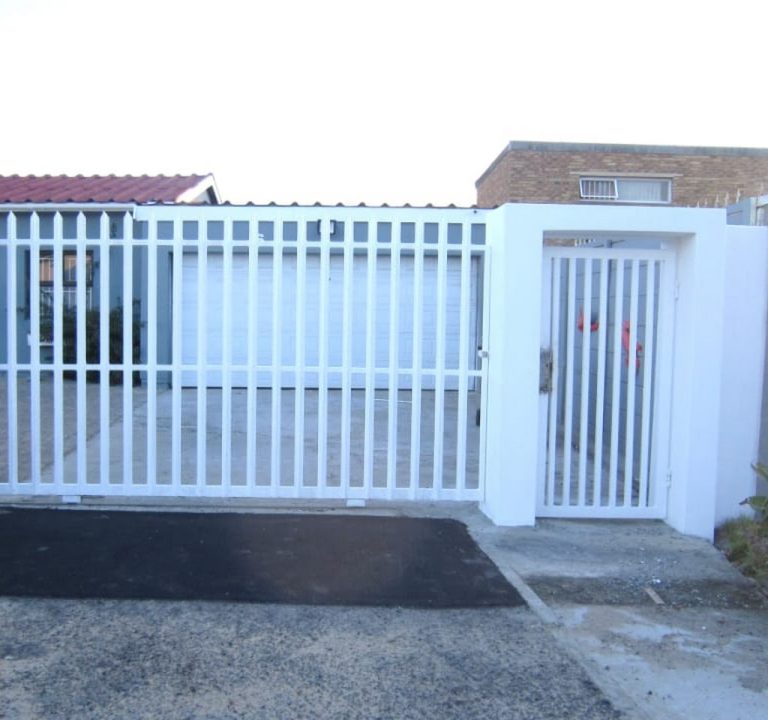
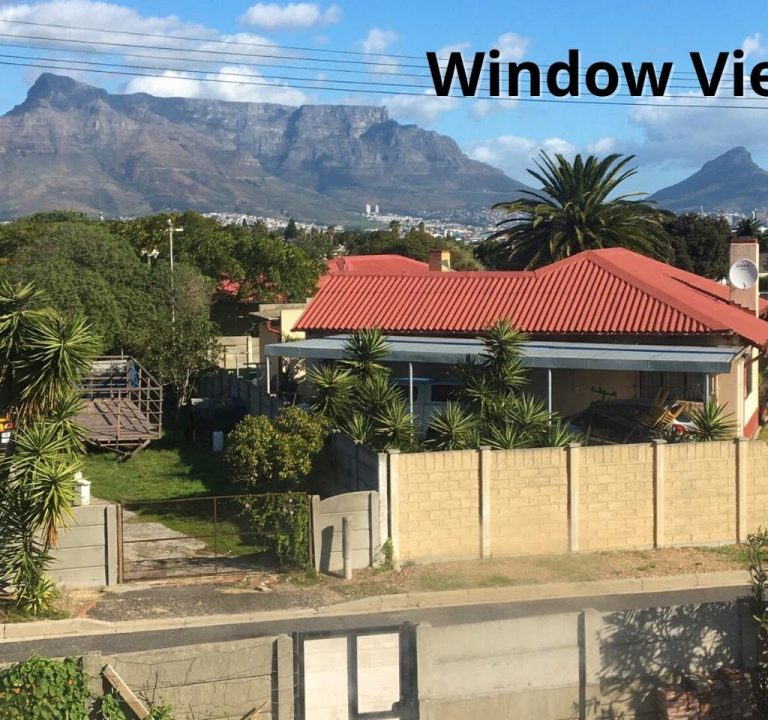
Cape Town, in the Western Cape of South Africa, offers a diverse mix of scenery, culture and cuisine that travellers can tailor to a wide range of budgets and tastes. For many visitors, choosing the right accommodation is the first step in shaping their experience. A guesthouse such as Home On Hussar can provide a comfortable base from which to explore the city and its surrounds, pairing a welcoming atmosphere with convenient access to key neighbourhoods and attractions. When planning a stay, consider how you want to move around, which neighbourhoods align with your interests, and what pace of travel feels most relaxing.
Areas to consider
The City Bowl is ideal for visitors who want to be in the thick of the action. Here you’ll often find characterful guesthouses and boutique hotels set against a backdrop of iconic sights, with easy access to the old harbour, museums and excellent eateries. The Atlantic Seaboard offers scenic coastal streets, stylish accommodation and views of the ocean. If you prefer a laid‑back, family‑friendly vibe with easy access to wine routes and green spaces, Constantia and the southern suburbs provide leafy streets, larger properties and proximity to nature trails. For a beach‑centric stay, Camps Bay and neighbouring Clifton are popular, especially in the warmer months, while Green Point and the V&A Waterfront area blend urban convenience with striking sea panoramas. Consider your daily routine—whether you want to walk to cafés, hop on a MyCiTi bus, or drive to scenic drives along the coast—and choose a base that minimises long transfers between mornings and late‑afternoon activities.
What to look for when booking
Think about room configuration, breakfast options, and whether a host or front desk can provide local recommendations. A guesthouse or small hotel often offers a more personalised experience than a larger hotel, including insights into short walks, markets, and less‑touristy eateries. Look for hosts who can share safe, reliable transit options, and note the proximity to main routes such as the highway corridors or MyCiTi stops. If you are visiting during peak season, availability and flexibility become important, so consider refundable rates or early reservations. In Cape Town, many properties advertise family rooms, private terraces, or self‑ catering facilities—these can be helpful for groups or longer stays. For travellers planning day trips, proximity to car parks, attractions, and safe entrances after dark is worth considering.
Typical amenities and what to expect
Most guesthouses and smaller hotels in Cape Town offer comfortable en‑suite rooms, daily housekeeping, and complimentary Wi‑Fi. You may find shared living spaces, guest kitchens, or garden areas, all of which can enhance social connections or provide space to relax between activities. Breakfast is a common inclusion, ranging from continental choices to cooked options, or a light hotel‑style spread. Parking availability varies, with some properties offering secure on‑site spaces or safe street parking nearby. If you rely on public transport, proximity to bus routes or train stations is practical, and many properties can assist with taxi or ride‑hailing arrangements. Indoor‑outdoor living spaces, shaded patios, and pool areas are especially appealing in the warmer months and can be a welcome retreat after a day of sightseeing.
Transport and getting around
Cape Town is navigable by a combination of rental car, organised tours, and public transport. The MyCiTi bus system covers many parts of the city and outer suburbs, providing a practical option for visitors who want to minimise driving. For coastal drives or hikes, having a car gives flexibility to pace visits and explore towns such as Hout Bay, Kalk Bay, and Simon’s Town. Taxis and rideshare services are widely available, but plan for peak‑hour demand along popular routes. If you plan to visit the Cape Peninsula and Cape Point, a day trip with a reputable operator or a self‑drive itinerary gives the most freedom to stop at viewpoints, beaches and coffee spots at your own pace.
Best time to visit
Cape Town’s climate is Mediterranean, with dry summers and wet winters. The months from November to March offer longer days, warmth, and excellent conditions for outdoor activities like hiking, beaches and outdoor markets. Shoulder seasons in spring (September to November) and autumn (March to May) can deliver fewer crowds, milder temperatures, and blooming gardens or autumn colours. Winter (June to August) is cooler and wetter, which can be ideal for fewer crowds in city sights and for the rich green landscapes in the surrounding valleys. Pack layers, a light rain jacket, and sun protection for daily outings, regardless of the season.
Activities, attractions, and dining in general terms
Cape Town centres around world‑class scenery and culture. Iconic vistas at the waterfront and harbour areas are complemented by historic neighbourhoods with vibrant street life. Outdoor pursuits commonly include short scenic hikes, coastal walks, and viewpoint stops along the coast or atop hills. Museums and galleries provide cultural context, while markets and bakeries offer local produce and crafts. Dining ranges from casual cafés to contemporary bistros and food markets, celebrating regional ingredients such as fresh seafood, seasonal vegetables, and locally sourced wines. For those seeking guided insight, reputable operators provide day trips to winelands, nature reserves, and historic sites with curated itineraries to suit different interests and levels of activity.
Practical tips for a smooth stay
- Book accommodation with clear cancellation terms, especially if your plans may change.n
- Check east‑facing or west‑facing rooms for preferred light and heat patterns, and consider a room with a balcony or garden access in warm seasons.n
- Plan early for popular periods and major events; Cape Town can fill up quickly in peak months.n
- Protect personal belongings and stay aware of local safety guidance, particularly in busy public spaces after dark.n
- Ask your host or front desk for current transit options and reliable routes to your planned attractions or restaurants.n
Sample accommodation reference
For travellers seeking a welcoming stay with a personal touch, a guesthouse such as Home On Hussar offers a comfortable base within easy reach of central Cape Town's cultural sites and dining options. It can be a practical choice for visitors who value local knowledge and a friendly environment. More information can be found on the property’s website: Home On Hussar Guesthouse.