Exploring Cape Town: Where to stay, what to plan, and how to make the most of your visit
Cape Town offers a diverse mix of neighbourhoods, landscapes and experiences, from historic waterfronts to sweeping mountain views and pristine beaches. When planning a stay in this city, consider targeting a few key areas to balance convenience, atmosphere and access to attractions. The City Bowl provides quick access to museums, galleries and hillside vantage points. The Atlantic Seaboard, with its coastal villages and long stretches of sandy beaches, is ideal for sunset strolls and relaxed mornings. The southern peninsula offers rugged scenery and dramatic viewpoints, while the Constantia Valley delivers vineyard tranquillity close to city amenities. For a stay with a strong sense of place, many lodgings recount a local character, whether through design, decor or recommended routes to explore on foot or by public transport.
Accommodation options in Cape Town span boutique B&Bs, guesthouses, lodges, and contemporary hotels. When you book, look for three practical considerations to guide your choice. First, location relative to your planned activities: if you expect to spend long mornings in Table Mountain’s vicinity or afternoons exploring the V&A Waterfront, a central base or a well-connected suburb makes life easier. Second, transport access: easy access to MyCiTi bus routes or reliable ride-hailing options can save time, especially if you intend to venture to the Cape Winelands or the Cape Peninsula. Third, guest services and amenities: a comfortable bed, reliable Wi‑Fi, adequate drying facilities for beach attire, secure parking if you have a car, and thoughtful extras such as a good breakfast or a well-equipped kitchen can significantly improve your stay.
Many travellers appreciate lodgings with a sense of character—properties that feel connected to their surroundings. A well-run guesthouse or boutique hotel often emphasises warm, personalised service, plus practical touches like helpful local tips, maps, and flexible check-in arrangements. For a more independent stay, a self-catering apartment or a lodge with kitchen facilities can offer freedom and value, especially for longer visits. When browsing options, read recent guest reviews to gauge consistency in housekeeping, noise levels, and the attentiveness of staff. In the current tourism climate, transparency about accessibility, safety measures and guest policies is also useful information to note before booking.
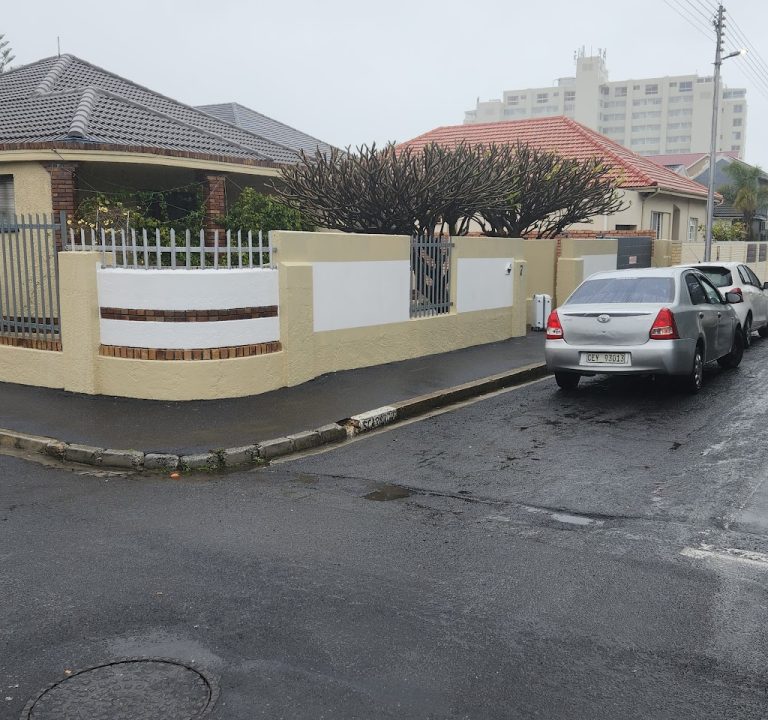
Odeon Beach Break, a lodging option in Cape Town, presents a good example of how a stay near the coast can shape your itinerary. If you are drawn to days by the sea and breezy evenings, a beachfront or near-beach location can cut travel time and enhance your daily rhythm. For this property, you can expect practical information to help with planning, including a direct link to the official website for booking and current details: Odeon Beach Break.
Typical amenities you might encounter include comfortable en-suite bathrooms, good-quality bedding, climate control so you can adapt to Cape Town’s seasonal changes, and a choice of room types to match different budgets. Shared spaces such as lounges, kitchens or dining areas can be useful for travellers who value social or budget-friendly environments. Many properties offer secure parking, on-site laundry facilities, and garden or terrace spaces where you can unwind after a day of sightseeing. If you are visiting in peak tourist periods, an early breakfast service or clear guidance on local dining options can help you make the most of your mornings before excursions.
When it comes to planning your day, transport is a key factor. Cape Town’s public transport network includes bus services that connect major hubs with tourist attractions, but many visitors prefer renting a car or using ride-hailing services for flexibility, especially when exploring the Cape Peninsula or constantia wine routes. If you intend to drive, check on-site parking availability and the dimensions of any on-site spaces. For city-based itineraries, it is often convenient to base yourself somewhere with easy access to the V&A Waterfront, the colourful Bo-Kaap neighbourhood, and the tremor of Long Street’s energy while still being a short ride from table mountain cableway or Kirstenbosch Botanical Garden.
The best time to visit Cape Town depends on your priorities. Spring and autumn offer mild temperatures and lighter crowds, ideal for hiking Table Mountain or visiting gardens. Summer brings longer daylight hours and vibrant coastal life, but can be busier along the Atlantic Seaboard. Winter is cooler and occasionally rainy, yet it can be a good time for ethical wildlife encounters and fewer crowds in certain attractions. Pack layers, a light waterproof, comfortable walking shoes, and a reliable charger for your devices. If you plan to visit vineyards, reserve tastings in advance where possible, and be mindful of weather plans for Cape Town’s coastal conditions, which can shift quickly.
Practical tips to help you enjoy your stay include booking in advance during peak seasons, reading cancellation policies carefully, and having a flexible plan that allows days to be swapped around for weather or spontaneous discoveries. Consider creating a short, balanced itinerary that mixes iconic viewpoints with easy, restorative moments—for example a beachfront morning, a scenic drive along the coast, a museum or cultural atelier in the afternoon, and a relaxed dinner in a neighbourhood with good street-life options. If you are travelling with family or a group, look for properties with multiple bedrooms, of appropriate size, and accessible common areas to make shared moments comfortable while preserving space for privacy.
- Factor in travel time between your accommodation and major sights to avoid excessive daily commutes.
- Check for flexible dining options or kitchen facilities to accommodate dietary needs or cooking preferences.
- Look for guided or self-guided activity suggestions within the lodging or from reputable, locally run tourism resources.
Whether you choose a stylish boutique stay near the city buzz or a relaxing seaside lodgings on the doorstep of Table Mountain’s cape vistas, Cape Town rewards thoughtful planning and a sense of curiosity. With a sound base, you can tailor your days to reveal the city’s contrasts—cycling along a scenic shoreline, sipping wine in a valley, or simply watching the sun dip behind the Atlantic Ocean as the mountains shade the day into colour.