Exploring Cape Town: Accommodation ideas, attractions and practical planning for a memorable stay
Cape Town offers a remarkable mix of scenery, culture and cuisine, making it a standout destination in the Western Cape. When planning where to base your stay, consider the character of neighbourhoods, ease of access to the city’s iconic sights, and the pace you prefer for your holiday. From boutique guest houses on the Atlantic seaboard to welcoming lodges in the winelands and contemporary stays in the city bowl, there are options to suit a range of budgets and travel styles. A charming example is a guest house such as Oceangolf, which blends coastal atmosphere with practical warmth and easy access to key routes.
Areas to consider
- Atlantic Seaboard: For dramatic ocean views, easy beach access and a cosmopolitan buzz. This area is ideal for sun, seafood and scenic drives along the coast.
- City Centre and the Green Point/Camp’s Bay corridor: If you want to walk to museums, markets and vibrant dining, choose a centrally located stay with good transport links.
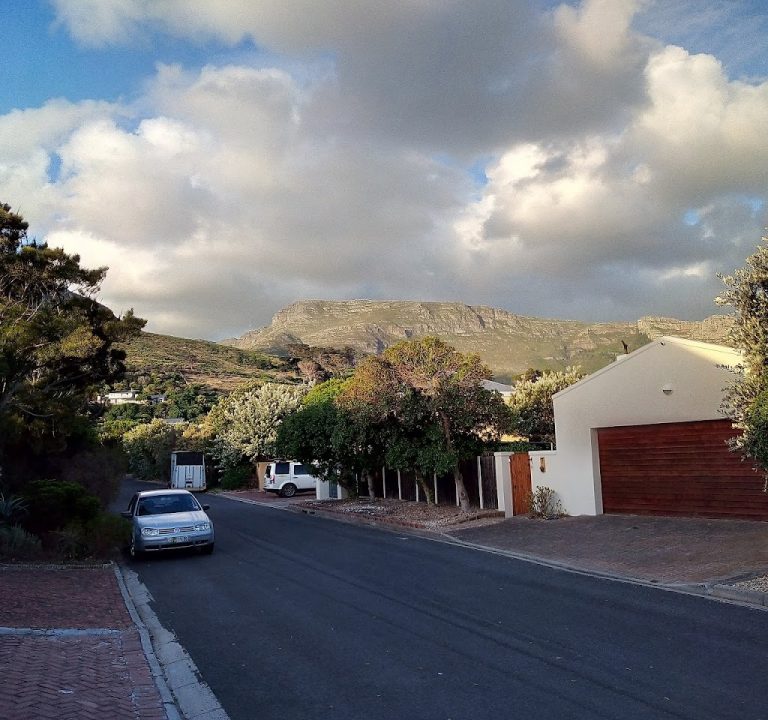
- Constantia and the Constantia Valley: Perfect for wine lovers and those seeking a quieter escape with leafy surroundings and hillside trails.
- Boulders/Simons Town and the Southern Peninsula: For penguin viewing, rugged coastlines and day trips to the Cape Point reserve.
What to look for when booking
- Location relative to your planned activities: beaches, Table Mountain, Robben Island ferries, and the V&A Waterfront are common anchors for itineraries.
- Guesthouse character and privacy: some properties offer standalone cottages or suites, while others provide shared facilities. Clarify check-in arrangements and whether breakfast is included.
- Amenities that suit your plans: reliable wifi, secure parking or easy taxi access, air conditioning for hot days, and a kettle or kitchenette can enhance comfort.
- Transport options: proximity to MyCiTi bus stops or rail links, as well as the availability of car hire or guided tours, can influence daily plans.
- Cancellation policy and flexibility: particularly important for longer stays or if travel plans may change.
Typical accommodation features
- Guest houses and boutique lodges often feature personalised service, with hosts sharing tips on local eateries and hidden spots.
- Many properties offer breakfast, with options ranging from continental to cooked morning meals sourced from local produce.
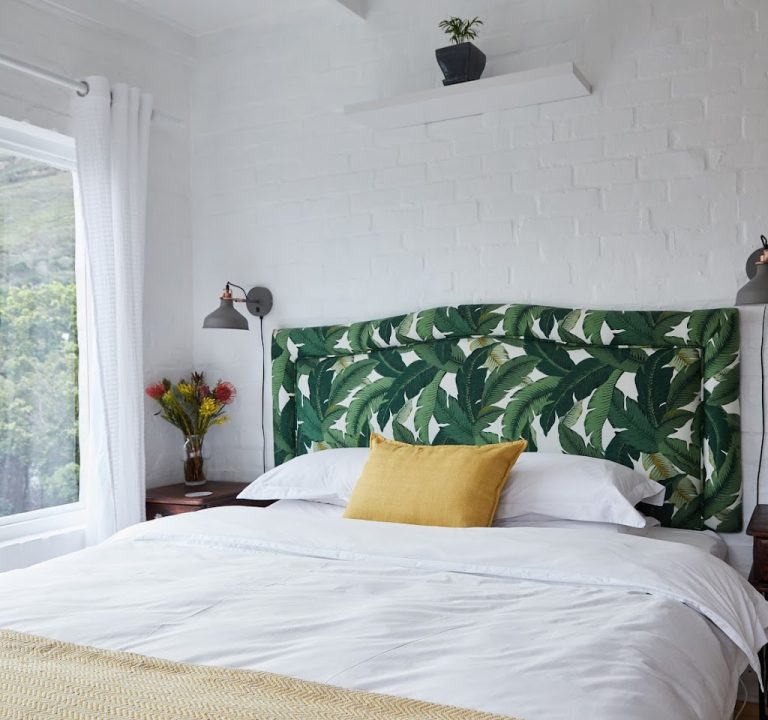
- Rooms vary from cosy studios to larger suites, with en-suite bathrooms, comfortable bedding and sometimes private courtyards or balconies.
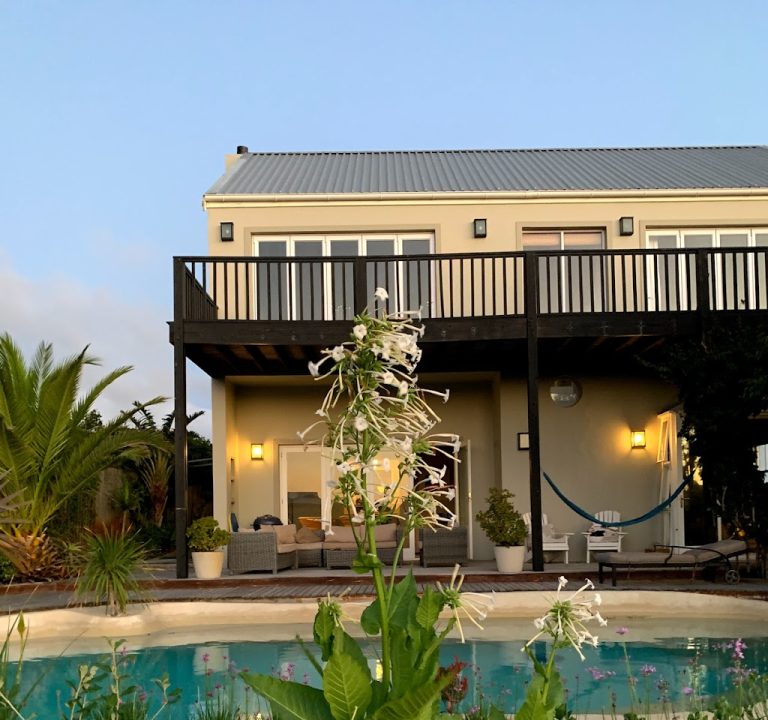
- Outdoor spaces are a hallmark of Cape Town stays—think terraces, gardens and pool areas that catch Atlantic breezes.
Best time to visit and travelling tips
Cape Town enjoys a temperate climate, but the seasons offer different experiences. The summer months (December to February) are peak for beach days and outdoor dining, while spring (September to November) and autumn (March to May) bring mild weather, less crowding, and excellent hiking conditions. Winter (June to August) can be cooler and rainier, yet it is a quieter time for stays with opportunities to explore museums, markets and indoor attractions with a lower price point.
Practical planning tips:
- Book a stay with easy access totransport links or offer on-site parking to reduce daily travel time.
- Plan day trips with flexibility: Table Mountain weather can change quickly, so have indoor plans or alternative viewpoints ready.
- Pack layers for variable coastal weather; a light waterproof jacket is useful for breezy seaside outings.
- Consider a mix of experiences: a base near the waterfront for easy dining and strolls, plus a couple of nights in a quieter valley or hillside spot to unwind.
- Respect local etiquette and environmental practices; many small lodges and guest houses emphasise sustainability and supporting local suppliers.
Things to do: attractions and dining in general terms
Cape Town is renowned for its natural beauty and cultural richness. Iconic outdoor experiences include panoramic viewpoints from Table Mountain or Lion’s Head, scenic coastal drives, and marine adventures along the shoreline. Within the city, one can explore historic neighbourhoods, markets and contemporary art spaces, while the surrounding winelands offer vineyard visits and cellar doors that pair well with seasonal fare. When it comes to dining, Cape Town showcases a range of eateries from casual seafood spots to refined dining rooms that celebrate fresh, locally sourced ingredients. Many guest houses and lodges provide guests with curated recommendations for places to eat and local experiences, including guided walks, wine tastings, or coastal excursions.
Sample planning note
Stay a few nights in a central area to maximise sightseeing, then allocate a couple of nights in a quieter neighbourhood to unwind. For a coastal stay, seek out accommodation that offers easy access to beaches and sunset vistas. For those who enjoy wine and scenery, a day trip or overnight in the Constantia or Stellenbosch regions can enrich your visit without lengthy commutes.
If you are considering a stay with a specific property, such as Oceangolf, you can explore its website for details on accommodation style, room configurations and on-site facilities, which may help in shaping a balanced itinerary that reflects your interests and pace.
Ultimately, Cape Town rewards well-planned stays with a blend of scenery, culture and food. By weighing location, amenities and transport needs, you can craft a balanced itinerary that makes the most of the city’s diversity while providing a comfortable home base for your adventures. Happy planning and enjoy your Cape Town stay.