Staying in Cape Town: accommodation, attractions and planning tips
Cape Town combines dramatic scenery, rich culture and a wide range of places to rest your head after a day exploring. When planning a stay, think about your priorities—scenic beaches, city buzz, or easy access to wine country—and then choose an area that best matches those preferences. From boutique guesthouses and family-friendly hotels to stylish lodges with sea views, the city offers options to suit different budgets and travel styles.
One of the first decisions is area. The city bowl and central Cape Town put you within walking distance of museums, markets and lively cafes, while the V&A Waterfront delivers iconic harbour views and easy access to ferries and excursions. Camps Bay and Clifton offer powdery beaches and a resort feel, though prices can be higher in peak season. Green Point and Sea Point strike a balance of nightlife, promenades and good transport links. For a quieter escape, Constantia and clifftop suburbs above the city provide leafy scenery and wine-tasting routes. If you’re keen on wildlife or historic naval heritage, areas near the peninsula and False Bay offer different day-trip possibilities. When booking, check how close your accommodation is to thermally efficient rooms, reliable wi‑fi, and on-site amenities such as a pool, breakfast service or secure parking.
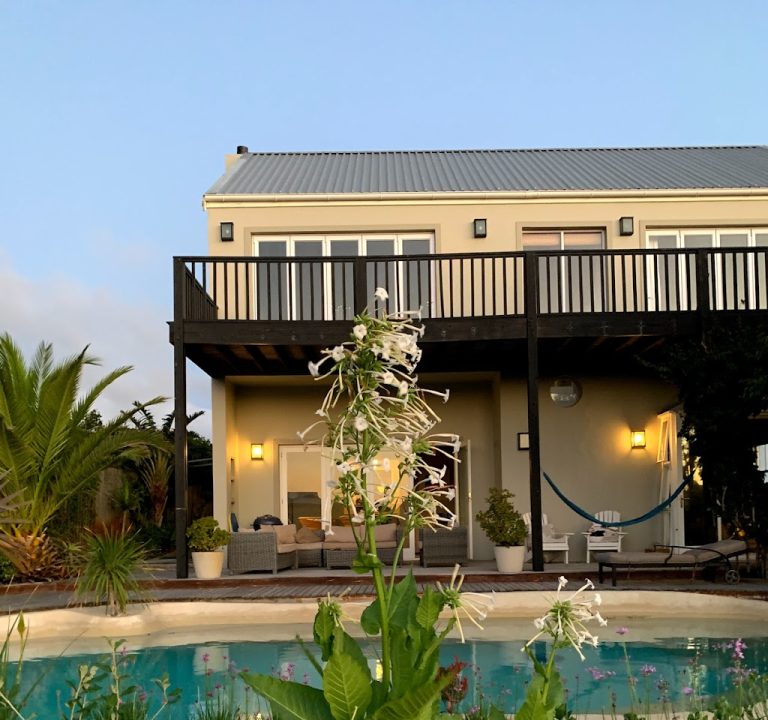
Typical amenities you might encounter include free Wi‑Fi, self-catering options, a selection of breakfast plans, and parking facilities. Many properties in Cape Town offer breath‑taking views, from ocean panoramas to Table Mountain vistas. If you rely on public transport, look for places near MyCiTi bus stops or train stations, and confirm whether taxis or transfers are readily available in the area. Some guests prefer properties with flexible check-in and check-out times, especially if you plan late arrivals after a day on the coast or on the hills around the city.
Booking tips to help you secure a comfortable stay include reading recent guest reviews, noting the cancellation policy, and clarifying what constitutes “breakfast included” (a continental spread versus a cooked option). Consider the kitchen facilities if you favour self-catering, and ask about air conditioning or heating, particularly for shoulder seasons when conditions may be variable. For stays during peak seasons, it is wise to book several months in advance to secure your preferred area and room type. For families, look for larger rooms or interconnecting units; for couples, a boutique hotel with intimate common spaces can enhance the experience.
Transport around Cape Town is generally straightforward but can be slower during busy periods. If you’re renting a car, ensure your accommodation has secure parking or easy street parking, and be aware that traffic and parking rules vary by district. For those prioritising a car-free stay, choose a base in the city bowl or Green Point with walkable access to restaurants, markets and hire bicycles or scooter services. Organised tours can be a convenient way to visit Cape Winelands, the Cape Peninsula and nearby nature reserves without the stress of navigation, though you’ll gain flexibility by having your own transport.
The best time to visit Cape Town depends on what you want from your trip. Late spring and autumn offer mild weather, clearer skies and fewer crowds, which can be ideal for scenic hikes, outdoor dining and day trips to the Cape Winelands. Summer delivers long, sunny days perfect for beaches and harbour activities, but expect busier streets and higher rates. Winter brings cooler, wet weather with a different mood—great for museum visits and cosy evenings in a well‑appointed guesthouse—but some outdoor plans may be affected by rain. Pack adaptable clothing, including a lightweight rain jacket and comfortable walking shoes, as terrain across the city ranges from pavements to rugged coastal paths.
When it comes to attractions and dining, Cape Town offers a broad spectrum in general terms. You can expect world‑class views from coastal drives, accessible city tours, and a wide range of dining options from modern casual eateries to refined seafood restaurants. Look for experiences that suit your pace: perhaps a morning at a local market, a guided nature walk on a nearby trail, or a gentle harbour cruise. For meals, you’ll find venues offering fresh seafood, farm-to-table dishes and diverse cuisines. If you wish to explore, reputable tourism sites provide up‑to‑date guidance on routes, safety considerations and suggested day itineraries, while allowing space to tailor plans to your interests.
- City Centre / The City Bowl: vibrant urban life, museums and a central base for exploring on foot or by public transport.
- Green Point / V&A Waterfront: harbour views, contemporary dining and easy access to coastal paths.
- Camps Bay / Clifton: beaches, sunsets and a resort atmosphere, with higher-season demand.
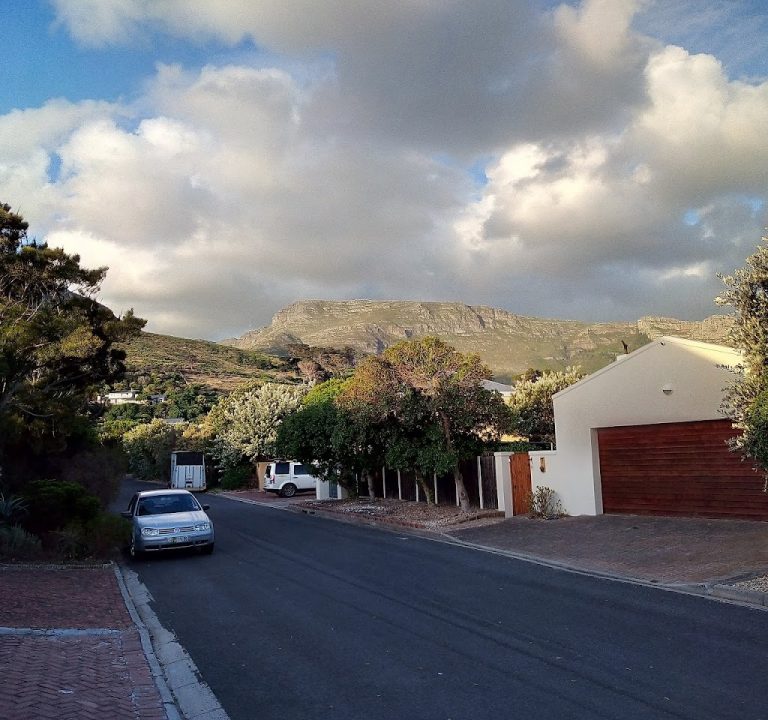
- Constantia Valley: tranquil wines-and-nature escape with scenic drives and outdoor activities.
Finally, consider practicalities for a pleasant stay. Check cancellation terms and whether the property has a 24‑hour front desk or on‑site staff who can assist with local information. Look at nearby grocery stores, emergency services access, and the safety profile of the area. Cape Town offers a wealth of experiences, and with careful planning you can enjoy a relaxed stay, tailored to your pace, while discovering the city’s natural beauty, its diverse dining scene and welcoming hospitality. For further inspiration, official tourism sites can provide suggested routes and current tips to help you craft a balanced itinerary that fits your interests and travel dates.