Accommodating Cape Town: Where to stay and how to plan your visit
Cape Town offers a diverse mix of accommodation styles, from windswept coastal guest houses to stylish city apartments and family-friendly lodges. When planning a stay, it helps to think about what you want to get out of your visit: whether you crave sea views, easy access to Table Mountain, or neighbourhoods with cafes, markets and nightlife. A few well-chosen nights in different areas can give you a well-rounded Cape Town experience, while longer stays can be based in one neighbourhood with day trips to other highlights.
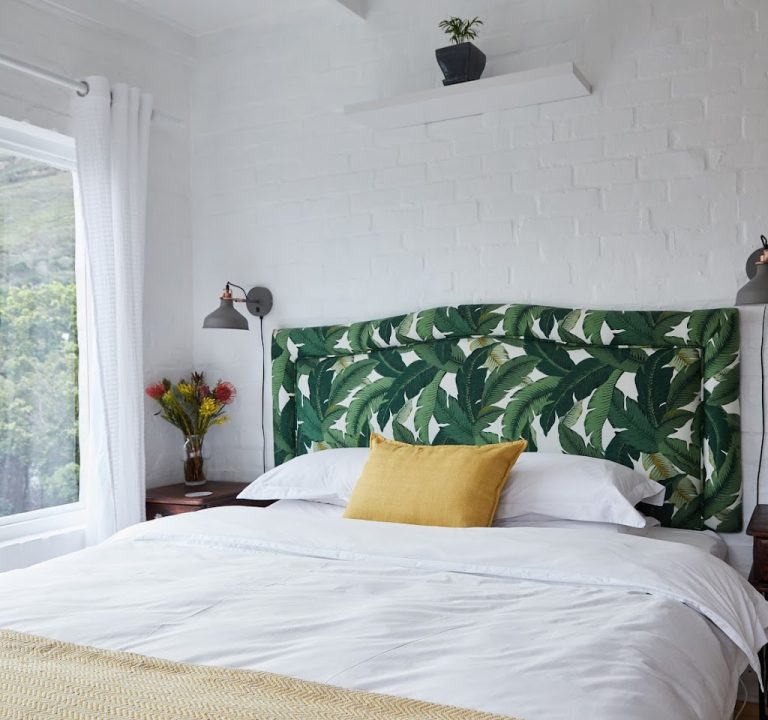
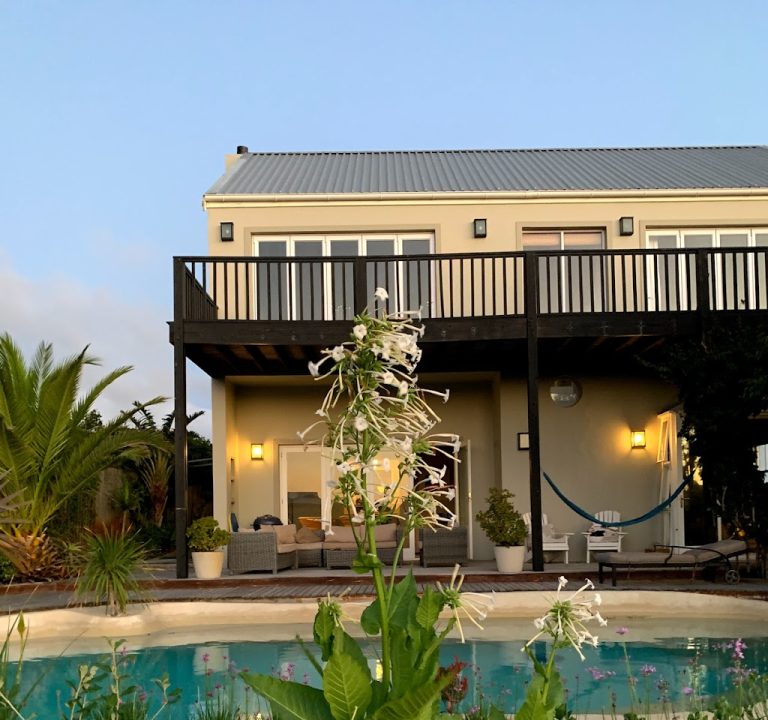
A notable example for a relaxed, scenic stay is Noordhoek Beach Oak Cottage, a charming guest house in the Noordhoek area. It typifies the appealing combination of rural tranquillity with proximity to nature, the coastline and the more urban pleasures of Cape Town. Choosing a similar property can offer a balance between peaceful mornings by the garden and convenient access to the Atlantic Seaboard, Constantia, or the City Bowl.
Areas to consider when booking include:
- City Bowl and the Central City: Central for museums, galleries, historic architecture and easy access to many sights. Streets buzz with trendy cafés and restaurants, and public transport links make day trips manageable.
- V&A Waterfront and the Green Point precinct: Ideal if you want a lively, tourist-friendly hub with proximity to the harbour, waterfront walks, coastal paths and major transport links.
- Atlantic Seaboard (Sea Point, Bantry Bay, Camps Bay): For magnificent ocean views, easy beach access and a more cosmopolitan vibe with restaurants and sunset spots.
- Constantia and the Southern Suburbs: Perfect for wine lovers and those seeking expansive gardens, hiking trails and access to Cape Town’s more relaxed residential life.
- Noordhoek and the False Bay coast: For a tucked-away seaside feel, long beaches, and a slower pace, with convenient access to the Cape Peninsula’s scenic passes and routes toward Kommetjie and Chapman’s Peak.
When booking, consider these practical factors:
- Location versus convenience: A short drive can save time if you are chasing mountain views in the day and city sights at night. Look for hosts who can provide tips on local transport and parking options.
- Room configuration and privacy: Check whether ensuite bathrooms are standard, and whether late check-in is possible if your travel schedule is fluid.
- Amenities that matter: Free WiFi, secure parking, laundry facilities, breakfast options, and self-catering spaces can significantly influence the ease of your stay.
- Transport access: Cape Town’s distances can be deceptive; a property near a MyCiTi bus route or a well-connected taxi service can reduce time spent commuting.
- Character and hospitality: Smaller guest houses and B&Bs often offer personalised touches, owner recommendations, and a more intimate atmosphere than larger hotels.
Typical amenities you may encounter include comfortable en-suite rooms, continental or full breakfasts, tea and coffee facilities, and shared living spaces where guests mingle. Some properties offer outdoor terraces, pools, or gardens – perfect for refreshing after a day of sightseeing. If you plan to visit Table Mountain or Robben Island, consider a flexible cancellation policy and check whether the host can assist with tickets or guided tours.
Best time to visit Cape Town depends on what you want from your trip. The summer months (roughly December to February) bring warm, sunny days ideal for beaches and outdoor markets, while spring (September to November) offers blooming fynbos and fewer crowds. Autumn (March to May) provides pleasant weather for hiking and city strolls, and winter (June to August) can be cooler with occasional rain, yet it is a quieter, budget-friendly period with dramatic coastal scenery.
For planning your days, mix iconic sights with hidden-gem experiences. In general terms, you might include a mountain excursion or scenic coastal drive, a visit to a museum or art gallery, a stroll through a neighbourhood market or a harbour area with waterfront dining, and a day trip to the Cape winelands or the Cape Peninsula. Dining in Cape Town ranges from casual cafés to fine dining, with many places prioritising fresh, locally sourced ingredients. When choosing restaurants, consider booking ahead in peak seasons or opting for early dinners to enjoy the ambience without queues.
Practical tips for a smooth stay:
- Pack layers and a lightweight rain jacket; coastal mornings can be cool, even in summer.
- Wear comfortable walking shoes for table-top hikes, city lanes, and markets.
- Respect local safety guidance and keep valuables secure, especially in busy tourist areas.
- Bring a reusable water bottle and a small bag for day trips to reduce waste and keep items handy on hikes and beaches.
- Check transport options in advance: some landside routes are best served by car or shuttle services, while others lend themselves to public transport or organised tours.
Whether you choose a tranquil Noordhoek guest house, a chic apartment near the Waterfront, or a cosy stay in the city’s historic core, Cape Town rewards thoughtful planning. A well-chosen base can unlock simple access to beaches, mountain explorations, world-class dining, and a spectrum of cultural experiences that showcase the city’s unique blend of landscape and lifestyle. For more information, browse reputable accommodation sites and read guest reviews to tailor your stay to your preferences and itinerary.