Accommodation and Experiences in Cape Town: Where to Stay and What to Do
Cape Town sits at the southern tip of Africa, blending dramatic natural scenery with a vibrant urban culture. When planning a stay, choosing the right neighbourhood can set the tone for your entire trip. From stylish beachside retreats in Camps Bay to convenient apartment-style stays near the V&A Waterfront, the city offers a range of options that suit different budgets and travel styles. A stay that combines easy access to attractions with comfortable amenities will help you make the most of your visit.
One key decision is how you want to feel each day you wake up. If you favour sea views and sunset swims, consider staying along the Atlantic coast in Camps Bay or Clifton. For a more central experience with easy access to museums, markets and wine country drives, the City Bowl or Green Point can be ideal. For a leafy, refined escape with easy access to wine trails and nature, Constantia offers tranquillity just a short drive from the city centre. Regardless of the area, most properties offer a few essential features: reliable wifi, secure parking or access to public transport, good housekeeping, and clear information about local dining and activities.
When booking, think about practicalities as much as aesthetics. Look for clear listing details on room configuration, on-site facilities (such as a pool, gym, or rooftop terrace), and whether the property provides breakfast or a self-catering option. Consider the rhythm of your days: do you want to wake to a view of the ocean, or would you prefer a quick morning stroll to a café before venturing out? If you plan day trips to the Cape Winelands or the Cape Peninsula, a host or concierge who can arrange transfers or tours can be particularly helpful.
Typical amenities you may encounter include en-suite bathrooms, tea and coffee provisions, hairdryers, and climate control. Some properties offer kitchen access, laundry facilities, or bicycle hire, which can be especially convenient for longer stays. If you are travelling with family or a small group, look for larger suites or apartment-style units with separate living spaces. For those prioritising sustainability, search for properties with recycling schemes, energy-efficient lighting, and water-saving practices. It’s worth reading recent guest reviews to gauge consistency in service, cleanliness and responsiveness.
Getting around Cape Town is straightforward but can vary by area and time of day. The MyCiTi bus network is a practical option for many central destinations, while Uber and other ride-hailing services are widely available. If you plan to explore the Cape Peninsula, the Atlantic Seaboard, or Constantia Valley, a rental car offers flexibility, though some roads are steep and parking can be limited near popular beaches. If you prefer to pair a hotel stay with guided experiences, many properties can arrange private tours or day trips to notable attractions, often with insights into local culture and cuisine.
The best time to visit Cape Town depends on what you want to do. Summers (December to February) are warm and sunny, ideal for beach days and outdoor activities, though it can be busy with holidaymakers. Springs (September to November) and autumn (March to May) bring milder temperatures and quieter streets. Winters (June to August) are cooler and wetter, but the city is still lively with a different atmosphere and lower rates in many areas. Dressing in layers is wise year-round, as coastal winds can be brisk even on sunny days.
Eating and drinking in Cape Town is a highlight in itself. The city’s dining scene blends traditional South African flavours with modern international influences. You’ll find everything from casual cafés and market stalls to elegant restaurants and wine-bar experiences. In popular areas, it’s common to stroll between venues, sampling bites and local wines while enjoying harbour and mountain views. For a well-rounded visit, combine meals with nearby attractions and scenic walks—there is always a terrace or balcony with a view to accompany your food and drink.
To help you plan, here are some practical ideas and considerations:
- Choose a base that minimises daily travel to your preferred activities, but remains close to amenities and transport links.
- Factor in peak season demand: advance booking is wise for popular coastal and city-centre stays.
- Ask hosts about parking arrangements, access to public transport, and nearest grocery or bakery outlets.
- Check cancellation policies and what is included in your rate (breakfast, housekeeping, luggage storage).
- Look for properties with clear directions to beaches, viewpoints, and safer walking routes at night.
- Consider a stay that combines a few nights in different neighbourhoods to experience diverse sides of the city.
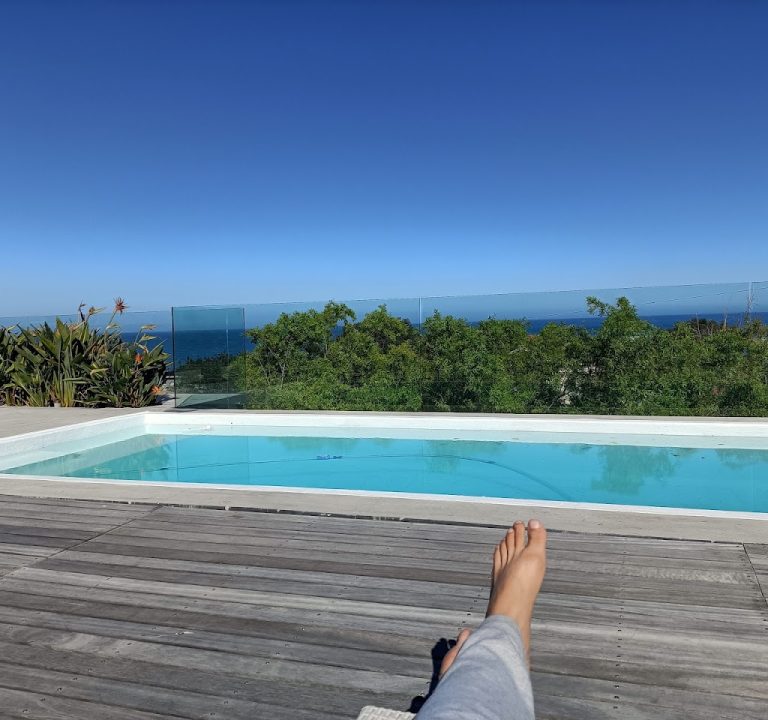
For those seeking an example of a typical offering in Cape Town’s hospitality scene, you might encounter hotels with stylish lounges, pool decks, and concierge services that can assist with reservations, transfers, and bespoke experiences. Locate a property that provides a clear listing of nearby attractions and practical tips for self-guided explorations or guided tours. If you are curious about specific hotels, you may wish to explore their official websites for detailed information on rooms, facilities, and local guidance. For instance, a boutique property in Camps Bay maintains a dedicated page with an overview of its setting, accessibility, and guest services. Visit the site at Ocean Lounge: Hotel Camps Bay Kapstadt for an example of a coastal stay in the region.
Beyond accommodation, Cape Town offers a wealth of experiences: the dramatic scenery of table mountain and sea cliffs, sheltered beaches with freshwater pools, penguin colonies along the coast, and world-class wine estates a short drive away. With careful planning, your stay can balance comfortable lodging, memorable dining, and effortless access to nature and culture—ensuring a well-rounded and enriching Cape Town visit.