Accommodating Cape Town: Where to Stay, What to Expect, and How to Plan Your Visit
Cape Town is a city of remarkable contrasts, where dramatic coastline meets rugged mountains and a vibrant cultural scene sits alongside tranquil suburban streets. When choosing a place to stay, travellers often balance location, ambience and value with access to transport and nearby attractions. Whether you favour a boutique guest house overlooking Table Bay, a modern apartment in a buzzing neighbourhood, or a cosy lodgedeep in wine country, Cape Town offers options to suit most tastes and budgets.
Neighbourhoods to consider guide your stay as much as grand landmarks. The City Bowl and the central Foreshore provide easy access to museums, art galleries and the historic Company’s Garden, with handy proximity to dining, nightlife and business districts. The Atlantic Seaboard, including Green Point and the popular beaches, offers spectacular sea views, airy rooms and contemporary décor, often with parking and easy coastal walks. Camps Bay and Clifton are famed for their white-sand beaches and sunset silhouettes, ideal for a stylish coastal retreat. For a quieter, green escape, Constantia valley and the South Peninsula give you vineyard mornings and coastal drives within reach of good roads and scenic routes. For a cultural pulse and colour, Bo-Kaap and the historic city precincts provide rich architecture and a gateway to city adventures.
When you book, look for a blend of comfort and convenience. A well-rated guest house or boutique hotel in Cape Town typically combines a warm welcome with thoughtful extras—private or communal lounges, a serene garden or courtyard, and breakfast options that range from hearty garden-fresh spreads to lighter continental choices. Many properties offer parking, which is a practical perk in busier areas, and some provide sea or mountain views that turn your stay into a memorable backdrop for your photo moments. If you travel with family or a group, consider apartment-style accommodation with a kitchenette or communal spaces that encourage easy evening routines after a day of exploring.
Typical amenities you might expect include complimentary Wi‑Fi with reliable speeds, air conditioning or efficient cooling, dependable heating, and well-appointed en suite bathrooms. In newer guest houses or guest suites, you may find Nespresso or kettle facilities for quick, easy drinks on arrival, as well as USB charging points and powered workspaces if you need to stay connected. On-site facilities often extend to small pools, sun decks, or lush outdoor areas, as well as secure access, daily housekeeping, and staff on hand to provide local tips on routes, markets and eateries. A good host or management team can help tailor your stay to your interests, whether that’s a day trip to the Cape Winelands, a harbour cruise, or a scenic coastal drive along Chapman's Peak route.
Getting around Cape Town efficiently can enhance your itinerary. The city’s MyCiTi bus network covers key corridors, while rideshare services offer flexible options for evenings out. If you hire a car, check whether the property provides parking and whether the garage or on-street spaces are included. For day trips, many guest houses collaborate with reputable tour operators or can recommend self-drive routes that avoid peak traffic. Within the city, walking is enjoyable in compact areas like the central districts and the V&A Waterfront, but hills and windy coastal roads mean planning for climbs and comfortable footwear is wise.
The best time to visit Cape Town tends to be during the spring (September to November) and autumn (March to May) months when the weather is generally mild, flowers are in bloom, and crowds are manageable. Summers (December to February) bring warmth and longer days, ideal for beach days and outdoor dining, though peak season can be busier and prices may reflect that. Winter (June to August) is cooler and occasionally rainy, yet the offer of cosy guest houses with fireplaces or heated lounges can make autumn and winter equally appealing for a slower pace and intimate experiences.
Practical tips to help you plan a smooth stay:
- Book in advance for popular periods, especially if you want a property with sea views or in sought-after corridors such as the Atlantic Seaboard.
- Check the cancellation policy and whether breakfast is included or available as an add-on.
- Ask about access to a kitchen or coffee/tea facilities if you prefer late breakfasts or self-catering options.
- Clarify parking availability and security, especially if travelling by car.
- Inquire about recommended routes for safe night and day trips, as well as must-see viewpoints nearby.
When planning your activities, consider a balanced mix of natural beauty, heritage, and cuisine. A high-level itinerary might include a morning on the vines of Constantia or nearby wine farms, a scenic drive along the Atlantic coast with time for a coastal walk, an afternoon exploring historic districts and markets, and a relaxed evening at a restaurant that showcases modern South African fare. In general terms, Cape Town’s attractions are widely varied, from panoramic viewpoints and landmark peaks to family-friendly activities and craft markets, with culinary scenes that range from casual eateries to refined dining experiences. A well-chosen base will help you enjoy the city at a comfortable pace, while still leaving energy for spontaneous cafés, galleries, or a harbour sunset cruise.
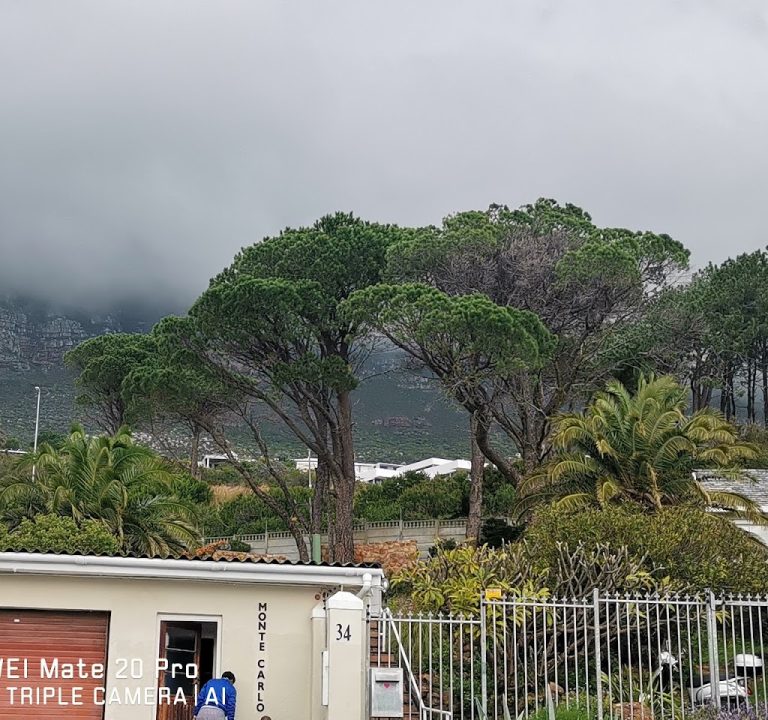
For travellers seeking a hospitable, locally rooted experience, a guest house such as Apartment 12, Monte Carlo (as a representative example within Cape Town’s guest house scene) can offer a personalised stay with an emphasis on comfort, proximity to transport links, and insightful local guidance. Websites featuring trusted guest house listings can provide room photos, policy information and guest reviews to help you compare options and tailor your stay to your interests. Ultimately, the right accommodation in Cape Town blends warmth, convenience and scenery, turning a visit into a memorable South African adventure.