Accommodation and Experiences in Cape Town: A Practical Guide for Travellers
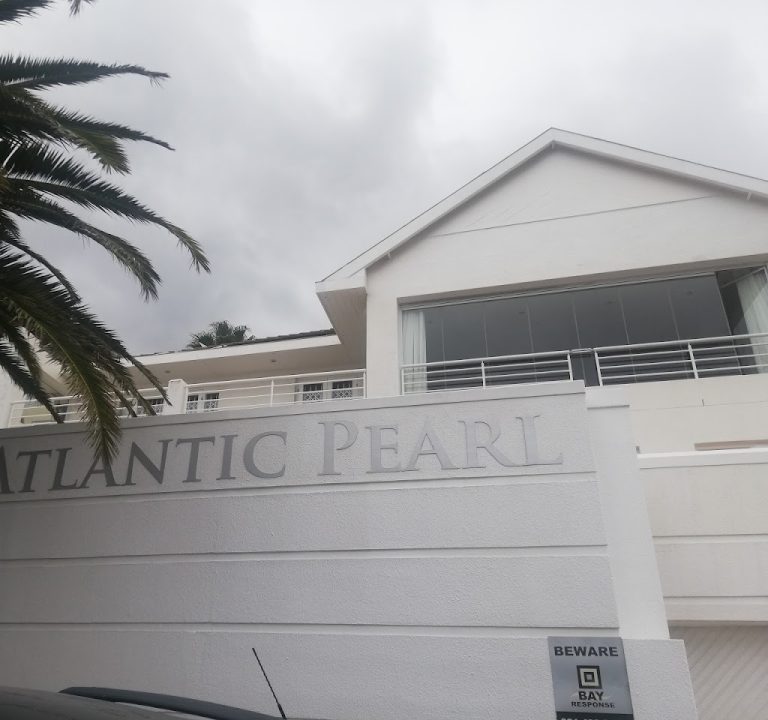
Cape Town blends dramatic scenery with a vibrant, cosmopolitan atmosphere, making it a rewarding destination for longer stays and short getaways alike. When planning where to stay, consider the city’s varied neighbourhoods, each offering a different rhythm, views and access to the surrounding attractions. A lodge such as Atlantic Pearl can provide a stylish base with a distinctly local character, while guesthouses and boutique hotels across the city offer personalised service and a sense of place that larger hotels may not always match.
Areas to consider include the City Bowl for easy access to restaurants, museums and nightlife, the Atlantic Seaboard for sea views and beach access, Camps Bay for a glamorous coastal vibe, and Noordhoek or Constantia for more tranquil, countryside-style surroundings with easy day trips to nature reserves and wine estates. If you prefer easy returns to a bustling hub, a stay near the V&A Waterfront offers convenience without sacrificing views of the harbour and Table Mountain in the distance.
When selecting accommodation, think about a few practical factors. Proximity to your planned activities can save time and reduce transport costs. If you plan long days exploring, an on-site or nearby restaurant and a reliable breakfast option matter more than a sprawling gym or spa. Check reviews for the soundproofing of rooms, the availability of a guest lounge or communal kitchen, and the reputation of the hosts or management in terms of responsiveness and local tips. For families or groups, look for flexible room configurations, safe parking, and accessibility features if required.
Typical amenities to expect include free Wi‑Fi, private bathrooms, daily housekeeping, and a well-equipped kitchenette or tea-and-coffee provisions. Many lodges and guesthouses pride themselves on personal touches such as locally sourced breakfasts, comfortable communal spaces and curated local recommendations. If you are visiting during peak season, it helps to book well in advance and to confirm cancellation policies. For stays in shoulder seasons, you may find better value and more subtle crowds while still enjoying great weather.
Transport in Cape Town is generally straightforward, though planning ahead pays off. If you are staying in central areas, Uber or local taxi services are common and convenient. Car hire provides maximum flexibility for exploring the Cape Peninsula, the Winelands, and the rural towns nearby, but driving in busy areas can be challenging during peak times. If you are not keen on driving, consider accommodations with easy access to MyCiTi bus lines or organised tours that cover major sights with a knowledgeable guide.
The best time to visit Cape Town depends on your priorities. Summer (November to February) brings warm days ideal for beaches, outdoor dining and harbour walks, though it can be busy. Autumn (March to May) offers mild temperatures and fewer crowds, a good window for island-and-culinary experiences. Winter (June to August) is cooler and often characterised by rain, yet it can be a comfortable period for exploring museums, cafés and the City Bowl’s cosy venues. Spring (September to October) brings fresh energy, wildflowers on the mountains and pleasant conditions for hiking. Pack layers, sun protection and a light rain jacket, and always check the marine forecast if planning coastal activities, as winds can be strong at certain times of year.
Attractions and experiences in Cape Town span natural wonders, cultural heritage and culinary delights. Iconic landscape features such as the Table Mountain range create instant recognisable scenery, while the surrounding coastline offers nature reserves, nature trails and wildlife viewing opportunities. In the city, art galleries, markets and historic sites provide a thoughtful counterpoint to beachside relaxation. For many visitors, a day trip along the coastline or to the nearby Cape Winelands becomes a highlight, delivering scenic vineyard estates, cellar tours and tastings in a relaxed, picturesque setting. If you enjoy coastal dining, you will find a range of eateries that emphasise seasonal produce, ocean flavours and stylish, yet comfortable, interiors.
Dining in Cape Town is diverse and approachable. Expect fresh seafood, game dishes, modern South African cuisine and international influences. Many restaurants and lodges showcase local ingredients and provide tasting menus or set courses designed to highlight regional flavours. For a balanced experience, combine a day of sightseeing with a relaxed dinner at a venue that offers sunset views or a terrace setting, which Cape Town frequently affords. Always check menus and opening hours in advance, as some establishments operate seasonally or close midweek for lunch service.
To help you plan efficiently, here is a concise starter checklist of considerations for booking and staying in Cape Town:
- Choose a base with a balance of comfort, location and pace; consider a lodge like Atlantic Pearl for a refined yet intimate atmosphere.
- Assess distance to your planned activities and reliable transport options, including access to public transit or parking facilities.
- Look for flexible cancellation terms and clear information about breakfast options and in-house facilities.
- Confirm room configurations and accessibility features if travelling with family or mobility considerations.
- Check for recommendations on local experiences, from markets to wine-tarm drives, to help you maximise your stay.
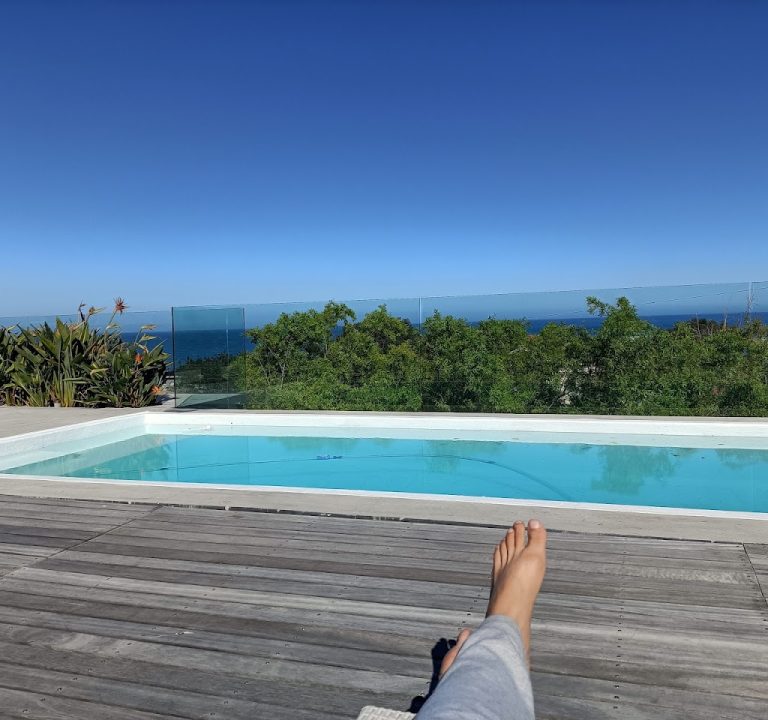
Atlantic Pearl offers a stylish example of how a lodge can harmonise comfort with the surrounding scenery, while still enabling guests to explore the city’s many offerings with relative ease. For more information on this particular lodge and its setting within Cape Town, visit the official site at http://www.cometocapetown.com/atlantic-pearl. Whatever pace you choose, Cape Town rewards curious travellers with rich experiences, striking landscapes and a warmth that lingers long after your return home.