Johannesburg: Accommodation and a Practical Guide to Planning Your Stay
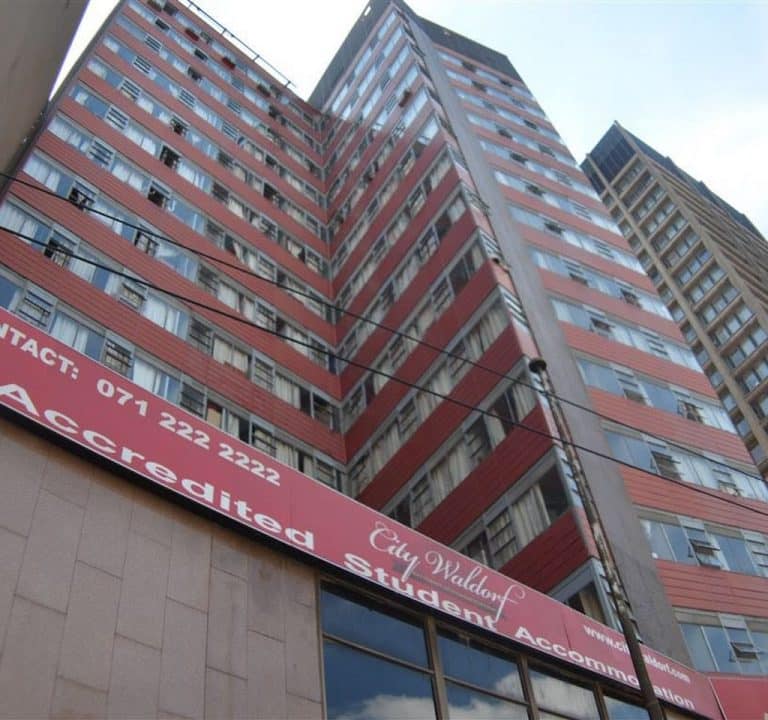
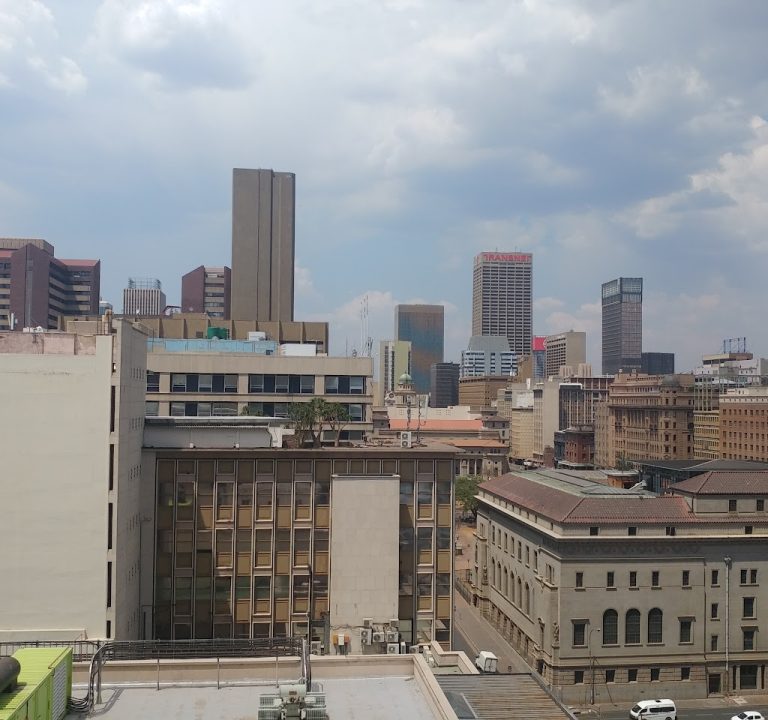
Johannesburg, Gauteng, offers a dynamic mix of accommodation options, from stylish boutique hotels and modern city-centre apartments to welcoming guesthouses and contemporary lodges. The city’s neighbourhoods each have their own flavour, making it worth choosing a base that aligns with your plans—whether you’re here for business, culture, or a taste of urban life. When planning where to stay, consider commute times, safety, access to public transport, and the type of neighbourhood that suits your rhythm for the day ahead.
Begin with the central options, such as the business districts or northern hubs, which tend to offer straightforward access to major roads and the Gautrain network. For a more eclectic vibe, look to areas with a strong cultural scene, such as those around colourful markets, art galleries, and cafés. If you’re seeking family-friendly or quieter surroundings, suburban pockets with leafy streets and easy park access can be ideal, while still being within reach of the city’s highlights. When selecting accommodation, focus on a mix of comfort, security, and convenience—and read recent guest reviews to gauge how well a property keeps everything running smoothly.
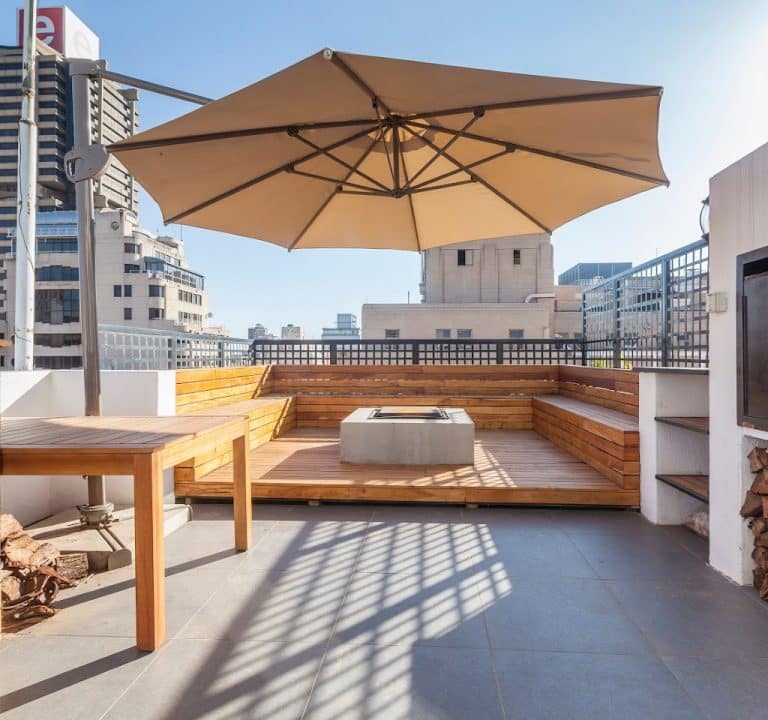
Typical amenities in Johannesburg's lodgings range from reliable Wi‑Fi and adequate workspace to 24-hour reception and secure parking. In many places you’ll find breakfast options, on-site restaurants, or curated city guides to help you plan your day. If you value a more social atmosphere, consider boutique hotels or guesthouses with communal spaces, massage or wellness facilities, or rooftop terraces that offer views of the skyline. For longer stays, serviced apartments can provide a homely feel with the convenience of hotel services. Always check the latest information on cancellation policies and whether the property offers flexible timelines, as plans can change unexpectedly.
Transport is a key part of enjoying Johannesburg. The city’s layout means a car can be convenient, but it’s not essential. The Gautrain is a practical backbone for fast travel between key hubs, while ride-hailing apps and local taxis provide flexible options for shorter hops. If you plan to explore beyond the central areas, confirm whether your accommodation offers parking or a readily accessible drop-off point. Proximity to a taxi or ride-share pickup zone, safe pedestrian routes, and nearby supermarkets or cafés can significantly reduce daily friction.
Best time to visit Johannesburg depends on what you want from the trip. The city experiences a temperate climate with dry winters and warm summers. Spring and autumn are comfortable for outdoor exploring, while summer brings lively street activity and occasional showers. If you’re visiting for events or festivals, align your stay with the calendar, but be prepared for busier hotels and higher rates during peak periods.
As for attractions, Johannesburg’s museum districts, markets, and historic sites offer a range of experiences that don’t require fixed itineraries. In the city’s broader footprint you’ll find world-class museums, open-air markets, and diverse neighbourhoods that showcase South Africa’s history, culture, and creative energy. Consider day trips or guided tours to nearby Soweto or the broader Gauteng region to gain context and depth. When planning visits, leave room for flexible downtime—cafés, parks, and street-level culture can be delightful discoveries between more structured activities.
Dining in Johannesburg reflects its cosmopolitan character. You can expect a spectrum from traditional South African eateries to contemporary fine dining, with influences from across the continent and beyond. Many areas feature vibrant street markets and casual brasseries, alongside polished restaurants that specialise in modern cuisine. If you enjoy markets and casual bites, look for places that offer a mix of sit‑down meals and quick, tasty options to fuel your daytime adventures. Always verify current opening hours and whether bookings are advisable, especially in busy districts or weekends.
Practical tips to help you plan a smooth stay:
- Choose a base with easy access to public transport or main routes to your planned activities.
- Check recent guest reviews focusing on security, cleanliness, and responsiveness of staff.
- Book flexible rates where possible to accommodate changing plans.
- Ask about on-site facilities such as secure parking, breakfast options, and luggage storage.
- Plan for some downtime—parks, cafés, and short strolls can provide a welcome break between activities.
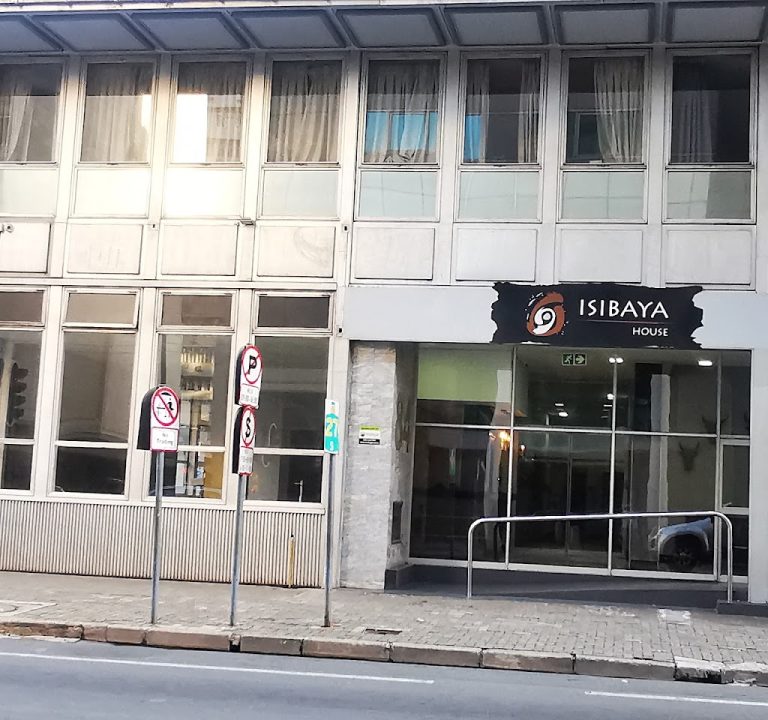
When it comes to accommodation, the market in Johannesburg accommodates a range of budgets and preferences. A well-situated hotel like the hypothetical New Library Hotel, for example, would illustrate how a modern stay can combine convenient access with thoughtful spaces for work and relaxation. In practice, look for properties that balance location, comfort, and a sense of hospitality—whether you lean towards a stylish boutique, a dependable business hotel, or a guesthouse with personalised service. If you’re researching online, save a shortlist of 3–5 options near your primary interests, then compare features such as breakfast style, room layouts, and potential extras like near‑by dining options or guided experiences.
In summary, Johannesburg offers a broad palette of lodging choices and experiences. By prioritising area, transport access, and practical amenities, you can shape a stay that minimises friction while maximising your time for discovery—whether you’re on a cultural trail, a business trip, or a family break. With thoughtful planning, your Johannesburg visit can blend comfortable accommodation with immersive, affordable, and deliciously varied experiences across the city’s diverse quarters.