Johannesburg: where to stay, eat and explore in Gauteng
Johannesburg, often called Jo’burg or Joburg, offers a vibrant mix of neighbourhoods that suit a range of travellers. When planning a stay, it helps to think about what you want from your visit: culture and nightlife, easy access to business districts, or a quieter base with walkable streets and markets. Central districts such as the CBD and Braamfontein host a variety of accommodation options—from budget hostels to boutique guesthouses—while areas like Rosebank and Sandton provide more upmarket hotels and easy access to shopping centres. If you’re after a creative vibe and street art, the Maboneng Precinct is worth a longer stay; for leafy streets and parks, consider Parkhurst or Melville, which offer a relaxed atmosphere with dining options close at hand. For convenience and modern transport links, the area around Johannesburg Park Station and the northern business hub offer practical bases for short breaks or longer stays.
Accommodation in Johannesburg ranges from budget hostels to well-appointed boutique stays and serviced apartments. When you book, consider the type of pace you want: hostels in central streets can be sociable with shared facilities, while guesthouses and small hotels in residential blocks can provide more privacy and a sense of home. If you’re travelling with a group or family, serviced apartments or family-friendly guesthouses can offer practical space and kitchen facilities. For those prioritising security, look for properties with 24‑hour front desk service, controlled access or secure parking, and well-lit common areas. You’ll often find that the best-value options are located a short walk from public transport or on well-served bus routes and rideshare lanes.
Typical amenities to look for include reliable Wi‑Fi, a comfortable workspace if you’re combining travel with work, breakfast options, 24-hour staff or reception, luggage storage, and easy access to public transport. Some properties offer on-site dining or a shared kitchen, which can be convenient for longer stays. Laundry facilities, dependable air conditioning, and well-lit rooms with small desks are additional features that travellers frequently appreciate in Johannesburg’s climate. If you’re staying in a hostel or budget guesthouse, shared dorms or private rooms with en-suite facilities are common; in boutique or mid-range properties, you’ll often find stylish décor and a compact but well-equipped room. Always verify what is included in the rate (breakfast, parking, shuttle services) to avoid surprises on arrival.
Transport in Johannesburg is well supported by rideshare services, taxis, and a commuter rail network. The Gautrain is a fast option for trips to O.R. Tambo International Airport and to Pretoria, with stations located in key hubs such as Sandton and Rosebank. Within the city, Uber and Bolt are widely used, and many hotels and guesthouses can arrange airport transfers or local pickups. If you plan to explore specific neighbourhoods, staying within walking distance of main streets or near a transit hub can save time and reduce the need for long drives. For those renting a car, check if your accommodation offers secure parking, as street parking may be limited or subject to local regulations at certain times of the day.
The best time to visit Johannesburg is generally during the southern hemisphere’s spring and autumn, when daytime temperatures are mild and outdoor activities are comfortable. Summer brings more rainfall and heat, which is great for markets and outdoor events, but you may need to plan for showers. Winter can be cool but clear, offering pleasant days for city sightseeing. If you’re planning specific tours—such as a day trip to Soweto, a museum circuit, or a neighbourhood food walk—research seasonal events or markets that may enhance your stay. If you’re considering visiting during school holidays, expect busier streets and, in some districts, a lively atmosphere with more dining and entertainment options.
When to book: to secure the best choice in central areas, book a few weeks in advance for peak travel periods, such as public holidays and major events. For more budget-friendly stays, consider midweek arrivals or properties slightly outside the city centre with easy transit links. Practical planning tips include confirming check-in times, understanding cancellation policies, and reading guest reviews about noise levels, housekeeping standards, and proximity to attractions. A map-based review can help you understand walking times to key sights, restaurants, and transport links, ensuring you’re not far from the things you want to do each day.
Attractions and experiences in Johannesburg cover modern art and history, urban culture, and outdoor spaces. You can expect visits to major museums and cultural centres, tours that explore the city’s complex history, and neighbourhoods where street art and markets provide a flavour of daily life. For dining, the city offers a wide range of options—from casual eateries serving local favourites to contemporary restaurants with international influences. In addition, many areas host regular markets, food stalls, and live music venues, making evenings out pleasant and varied. When selecting a base, consider how easy it is to reach your planned experiences, and whether you want to pair your stay with a guided tour, a day trip to nearby attractions, or self-guided city exploration.
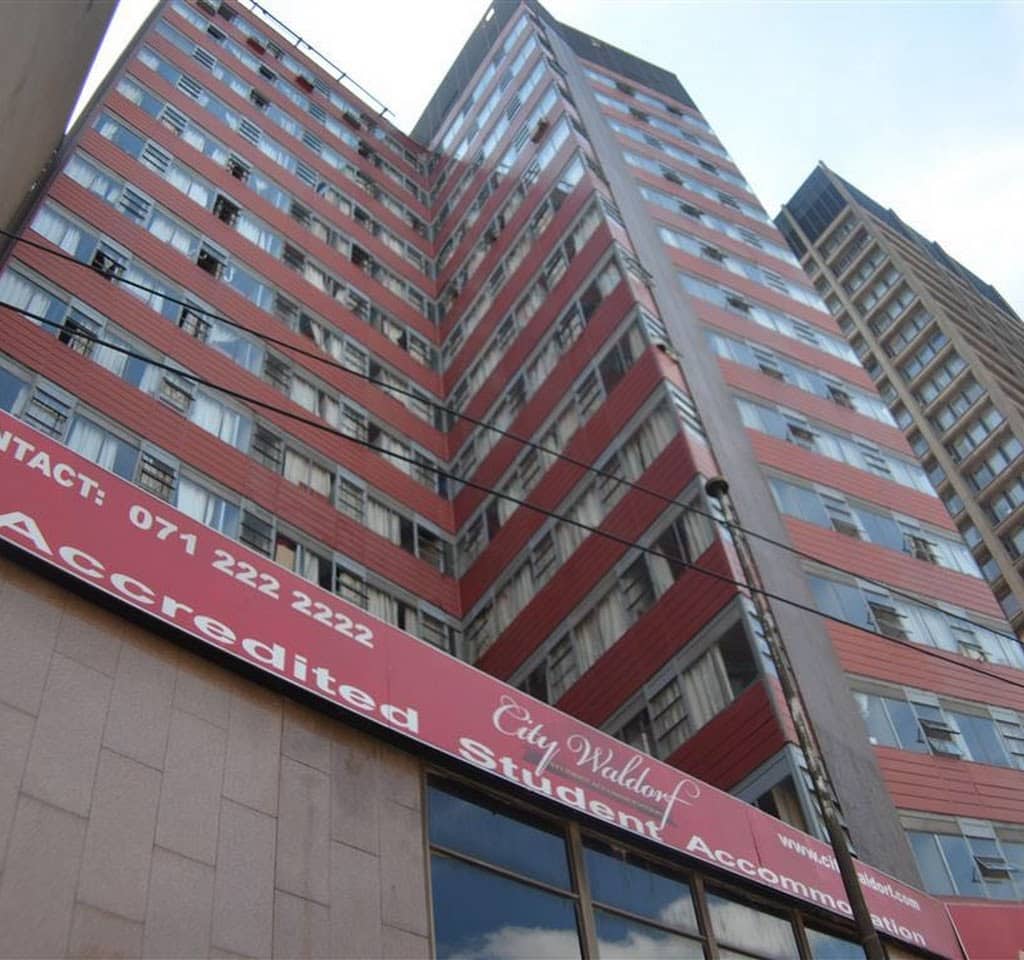
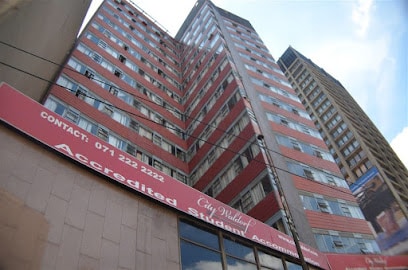
For a practical reference, some travellers choose a centrally located hostel or guesthouse that offers social spaces and a concise walkable radius to cafés, parks, and metro stops. Properties with on-site lounges, kitchens, or coworking-friendly areas can support longer stays, work trips, or study breaks. If you’re considering a specific student-oriented option, such as Citywaldorf student accommodation on Saunders Street, it can provide a compact, budget-conscious base with access to shared facilities and a social atmosphere. Always verify the exact location, available facilities, and the surrounding area to ensure it matches your travel style and safety expectations.
- Plan around a central neighbourhood for easy access to attractions and transport
- Prioritise security features, especially if travelling at night
- Look for flexible cancellation policies in case plans change
- Check for on-site dining or kitchen facilities to save time and money
- Research nearby markets, cafés, and walks to design a relaxed daily rhythm