Accommodation and experiences in Johannesburg, Gauteng: where to stay and what to do
Johannesburg, or Jo’burg, is a sprawling city of neighbourhoods each with its own character, from leafy northern suburbs to vibrant inner-city districts. When planning a stay, consider areas that suit your interests and mobility, as well as access to transport links and the kind of atmosphere you prefer. For a culture-forward base, you might choose a stylish boutique property in the city centre or Maboneng; for business travellers, a convenient hotel in Sandton or Rosebank can offer easy access to offices, shopping malls and conference venues; and for a more relaxed stay, northern suburbs such as Melrose or Houghton provide a quieter, leafy backdrop close to parks and museums.
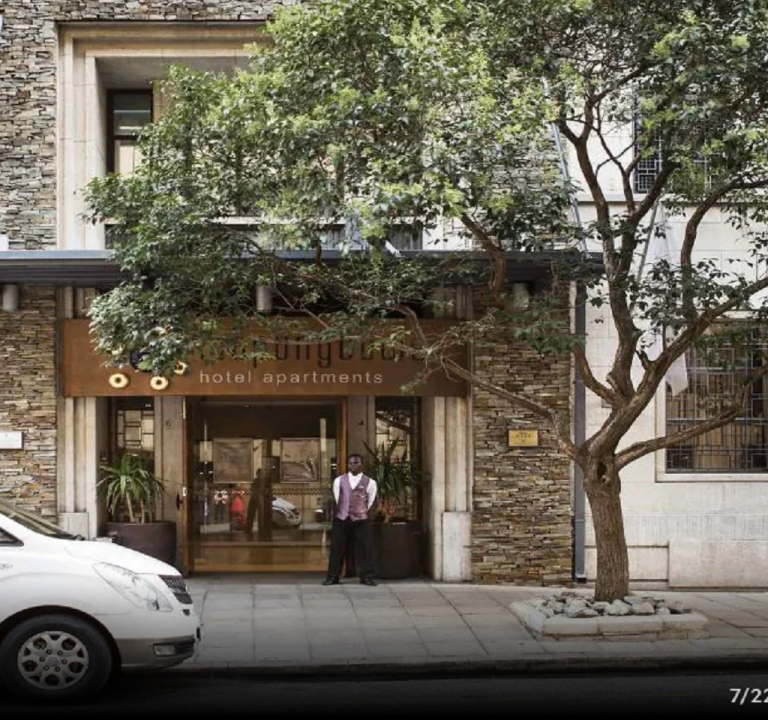
Accommodation options in Johannesburg range from modern hotels and serviced apartments to guesthouses and boutique inns. Typical amenities you might expect include free Wi‑Fi, on-site dining or room service, secure parking, and fitness facilities. Many properties offer concierge services to help you plan day trips around Gauteng, arrange airport transfers, or reserve restaurant bookings. If you have a longer stay, look for self‑catering options or suites with kitchen facilities, which can provide flexibility and value. When comparing rates, consider whether breakfast is included, the accessibility of public transport, and the proximity to rail or metro links, which can significantly ease travel around the city and neighbouring towns.
Transport in Johannesburg works best when you plan ahead. The city is served by a network of roads, with car hire and rideshare apps widely available. For longer journeys or to avoid traffic, the Gautrain provides a reliable link between Johannesburg and Pretoria, with stations in suburbs such as Rosebank and Sandton. Local taxis and ridesharing are convenient for door-to-door trips, while some hotels partner with shuttle services to popular attractions or business districts. If you enjoy urban exploration on foot, opt for areas that are walkable and well lit, especially after dark, and rely on nearby cafés, dining options and markets to enhance the experience.
When to visit: many travellers favour the dry winter months from May to August for clearer skies and comfortable daytime temperatures, ideal for city sightseeing and outdoorsy activities. Spring and autumn can be pleasant as well, with mild weather and fewer crowds around popular attractions. Summer brings lively markets and occasional afternoon thunderstorms, which can be dramatic but also refreshing, particularly when you’re indoors or exploring indoor venues. Pack layers to adapt to changing conditions and plan outdoor activities for early morning or late afternoon to avoid peak heat.
What to see and do, in broad terms: Johannesburg offers a rich mix of history, culture and contemporary life. You can explore world‑class museums and memorials that document the country’s complex past, discover art and design scenes in trendy neighbourhoods, and enjoy public markets and street food that showcase local flavours. For a sense of the city’s energy, stroll through areas known for street art, independent galleries, and repurposed industrial spaces that now host cafés, shops and performances. Day trips can include nearby heritage sites, nature reserves, and opportunities to learn about gold mining history, all of which provide context for the region’s development. Plan a balanced itinerary that blends indoor exhibits with outdoor time, allowing for rest between activities.
Dining and neighbourhoods: Johannesburg’s culinary scene ranges from casual bistros and international eateries to refined restaurants showcasing contemporary South African cuisine. In central and northern districts, you’ll find a mix of trendy cafés, casual diners and well-regarded venues where you can sample markets, brunch plates, and comfortable evening meals. When choosing restaurants, consider venues with local produce, seasonal menus and robust wine lists. For a more immersive experience, look for places that pair meals with glimpses of local culture—music, markets, or gallery spaces—without needing to travel far from your hotel.
Practical planning tips for a smooth stay
- Choose accommodation in a well‑connected area to minimise transit time between sights and meals.
- Check the buffet or continental breakfast options and whether you’ll need to pay extra for flexible dining choices.
- Ask about on-site parking, security measures, and access to a 24‑hour reception, especially if you arrive late.
- Consider a flexible itinerary that leaves room for spontaneous discoveries in markets, galleries or local neighbourhoods.
- Map out major attractions and book any popular tours or experiences in advance to avoid disappointment.
In short, Johannesburg is best enjoyed with a plan that balances comfortable bases, efficient transport, and time to wander the city’s diverse districts. Whether you prefer a luxurious base close to business hubs, a stylish apartment for longer stays, or a charming guesthouse in a lively quarter, there are plenty of options to suit different budgets and styles. For further inspiration, you can browse trusted hotel and guesthouse websites, and consider combining a city stay with a day trip to the surrounding Gauteng attractions, which makes the most of a curated, well‑paced visit.