Johannesburg: accommodation, attractions and planning your stay
Johannesburg, often simply called Jo’burg or Jozi, is a dynamic city that blends modern commerce with rich history and vibrant culture. When planning a visit, think about the pace you want, the areas that suit your interests, and the kind of experience you’d like from your accommodation. The city offers a wide range of stays, from stylish boutique rooms to comfortable guesthouses and practical lodges, each with its own character and proximity to dining, museums, markets, and easy access to the wider Gauteng region.
One of the first decisions is where to stay. The northern suburbs tend to be well connected for business travellers and families, with easy access to major highways, shopping centres, and business districts. The central corridor is ideal if you want to dive into the city’s energy, with proximity to markets, galleries, and a growing scene of eateries. The eastern and southern edges offer more laid‑back vibes, with leafy streets and a sense of local community. When selecting accommodation, consider how you’ll move around. Johannesburg is well-served by taxis, ride‑hailing services, and an expanding Gautrain network in certain routes. A stay that includes transport planning or access to on‑site parking can be especially convenient for exploring beyond your base.
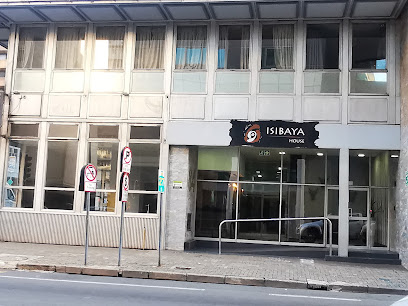
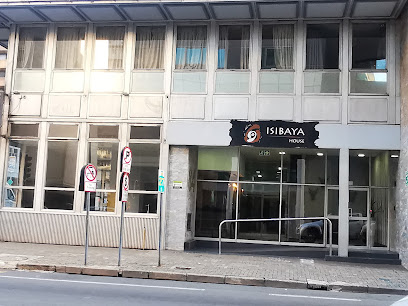
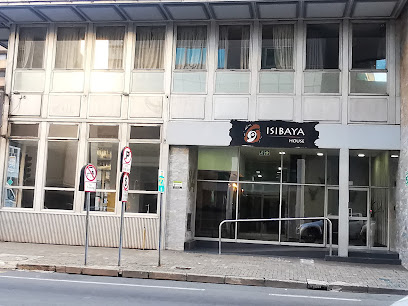
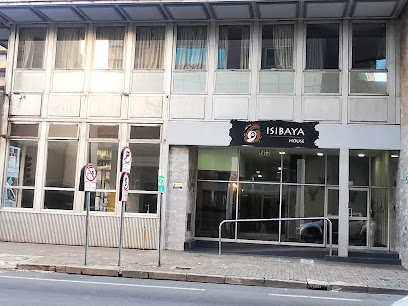
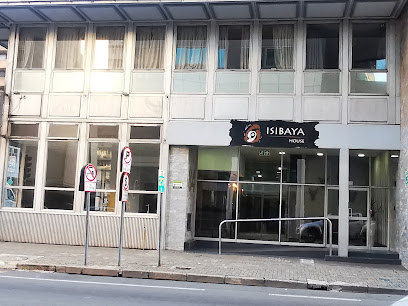
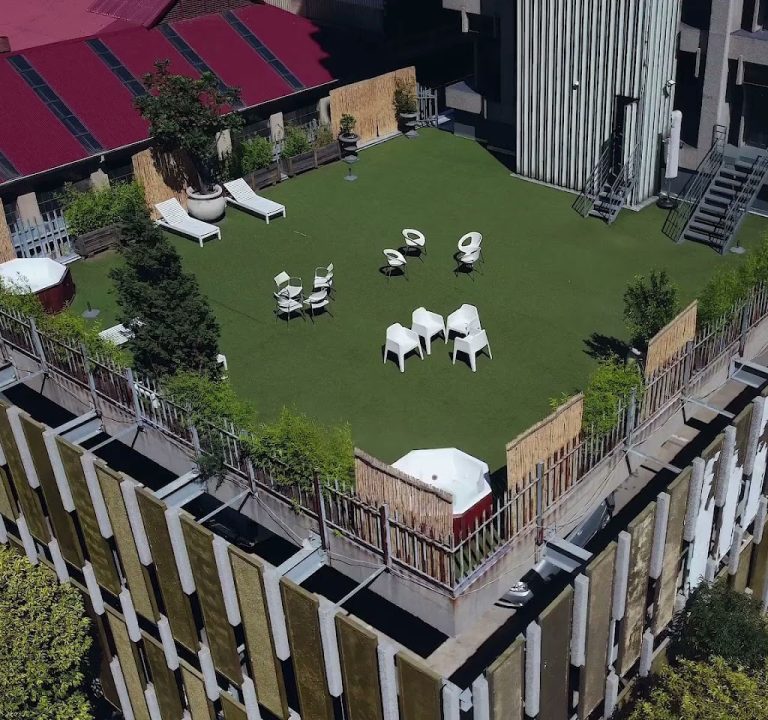
Typical amenities to look for include reliable wi‑fi, comfortable早餐 (snack) facilities, secure parking or good public transport links, and local information from hosts or front desk staff. For many visitors, a generous breakfast, flexible check‑in times, and helpful guidance on safe neighbourhoods are important. If you’re travelling with family or a group, a self‑catering option with a kitchenette or a small apartment can offer flexibility and value. For business travellers, workspaces, privacy, and quiet rooms matter as much as proximity to airport routes and business hubs. Isibaya House, as a reference point, offers accommodation within the broader landscape of Johannesburg stays and can serve as a starting example of the variety on offer, from boutique rooms to practical stays that suit different itineraries.
When planning an itinerary, balance city highlights with relaxing downtime. A week can comfortably cover museums and historical sites, large parks, and a taste of the city’s diverse dining scene. For culture, expect engaging museums, galleries, and markets that tell stories of South Africa’s past and present. For food lovers, Jo’burg is home to casual coffee spots, vibrant street food and contemporary restaurants that explore regional flavours and global influences. Rather than focusing on exact venues, it’s useful to look for districts known for their energy, such as areas with a range of eateries, craft shops, and a spirit of shared spaces. Always check current opening times and whether reservations are recommended, especially on weekends or during school holidays.
Best time to visit Johannesburg tends to be mild in autumn and spring, with cooler mornings and pleasantly warm days. Winters are dry and sunny, while summers can be hot and wet, with afternoon thunderstorms common. Consider how the climate might shape your outdoor plans—veld drives, markets, or garden spaces can be especially enjoyable during the cooler parts of the day. If you’re sensitive to altitude and heat, schedule outdoor activities for early mornings or late afternoons. The city’s urban layout means that a well‑planned route can conserve time and reduce transport costs.
Practical tips to help you get the most from your stay:
- Choose a base with easy access to the attractions you care about and transportation options for day trips outside the city.
- Book with hosts or hotels who provide clear guidance on safe neighbourhoods and local transport options.
- Pack a versatile wardrobe to accommodate a mix of urban exploring and indoor rests, with a light rain jacket for sudden showers.
For activities and experiences, you’ll find a mix of museums, parks, and lively markets that showcase Johannesburg’s urban vitality. Guided or self‑guided tours can offer insight into the city’s history, while neighbourhoods with street art, markets and coffee shops provide a snapshot of contemporary life. Dining ranges from casual cafés to more refined options, with menus that may feature local ingredients and global influences. When planning, consider reserving at least one notable dining or cultural experience to anchor your trip, then leave room for spontaneous discoveries as you explore different districts.
Lastly, practicalities matter. Check visa or entry requirements if you’re visiting from outside South Africa, verify any currency or payment preferences, and ensure you have a reliable map or offline navigation in case mobile services are inconsistent in certain areas. Many accommodation options provide local guides, maps, or personalised tips to help you plan day trips to nearby Gauteng towns or nature reserves. With thoughtful planning, Johannesburg can offer a comfortable, engaging, and memorable stay that balances city vibrancy with personal pace and discovery.