Johannesburg: Accommodation and a Practical Guide for Visitors
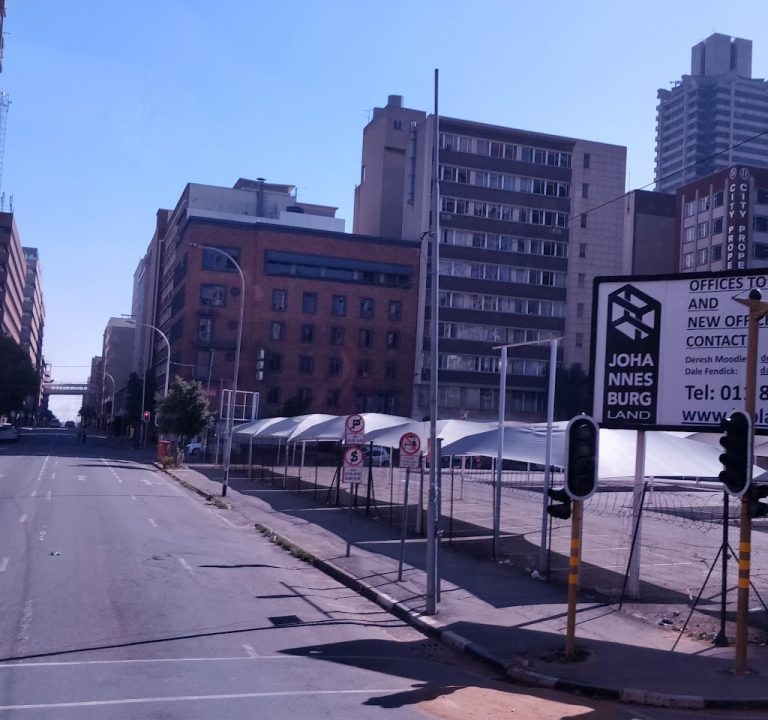
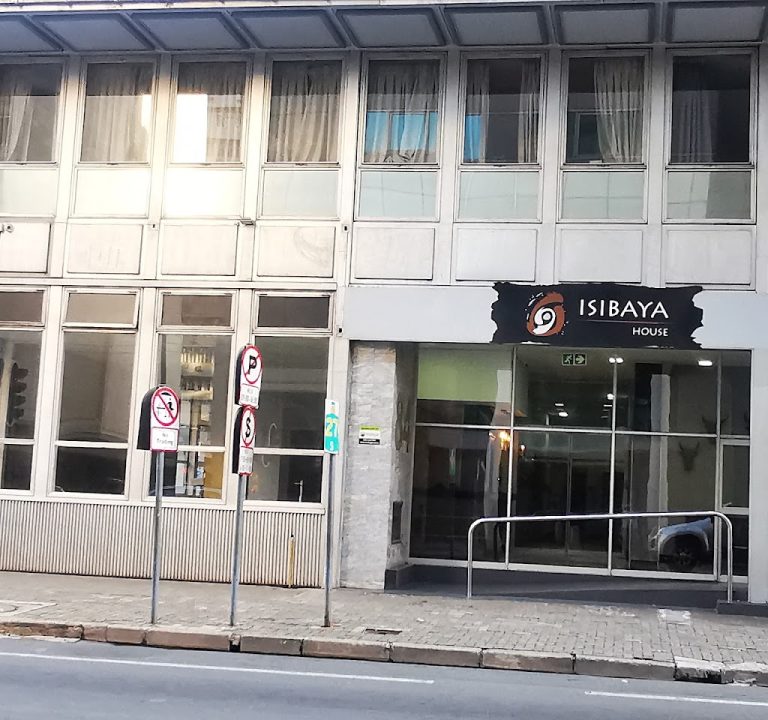
Johannesburg, or Jo’burg as it is commonly known, offers a diverse tapestry of places to stay and experiences to complement your itinerary. When planning a visit, think about the neighbourhoods that best match your interests, the type of accommodation that suits your budget, and the pace of your days. From stylish boutique hotels in leafy suburbs to modern high-rise stays in the city centre, there are options to suit travellers seeking culture, history, or easy access to business and entertainment precincts.
Areas to consider for your stay
Sandton remains a hub for business travellers and shoppers, with sleek hotels and well-connected transport links. If you prefer a more cosmopolitan vibe with a lively dining scene, the central city and Braamfontein offer vibrant street life, galleries, and proximity to theatres. Rosebank and Melville provide a balance of boutique stays and easy access to markets, cafés, and parks. For a deeper cultural experience and distinctive history, Soweto and the southern townships offer guided tours and community-run projects that give insight into South Africa’s past and present.
Newtown and the surrounding inner-city districts have undergone a revival in recent years, with design-minded stays and revitalised cultural venues. When choosing a base, consider your planned day trips and how you will travel between areas. Some visitors prioritise proximity to the Gautrain stations for straightforward journeys to OR Tambo and other parts of Gauteng, while others value quiet residential streets with secure parking and a more relaxed ambience.
What to look for when booking
Typical amenities to expect include reliable wifi, air conditioning or heating, and secure access. A comfortable bed, daily housekeeping, and a well-equipped en suite are worth prioritising, as are on-site options such as breakfast, a 24-hour front desk, and nearby parking. If you plan to explore after dark, inquire about security features, lighting, and safe walkable routes to nearby cafés, bars, and eateries.
Many stays in Johannesburg offer additional facilities such as a small pool, gym, or business centre, which can be helpful for longer trips or if you need a quiet space to work. Breakfast inclusions are common and range from light continental options to plated hot dishes. Some properties also provide shuttle services or guidance on public transport and safe routes for visitors who prefer not to drive. When booking, check the cancellation policy and whether your rate allows for changes if your plans shift.
Transport and getting around
Johannesburg is spread out, so planning how you’ll get from A to B is essential. The city has a growing mix of rail, ride-hailing apps, and bus services. The Gautrain is a popular choice for rapid transit between Sandton, Pretoria, and the airport area, while Uber and other ride-hailing apps are widely used across the metropolitan area. If you intend to drive, verify parking availability and whether the accommodation provides secure on-site parking or recommended local options. For shorter stays in busy districts, most guests find it convenient to use a mix of rideshares and walking, with careful attention to safety, especially at night.
Best time to visit and practical planning tips
Johannesburg enjoys a temperate climate with a distinctly seasonal pattern. The dry winter months (May to August) are often popular for clear skies and comfortable daytime temperatures, while the summer rainy season (October to March) can bring lively thunderstorms in late afternoons. If you enjoy outdoor activities such as open-air markets, parks, or nearby nature reserves, the drier months tend to be more predictable for outdoor plans. Pack layers for cooler evenings and a light rain jacket for springtime showers. Johannesburg’s high altitude means the sun can be strong even on cooler days, so sunscreen and a hat are sensible additions to your packing list.
Nearby experiences and dining outlook
The city’s food scene is as diverse as its population, ranging from traditional South African favourites to modern fusion concepts and street-food-inspired venues. Beyond the well-trodden spots, you’ll find markets, casual eateries, and cafés celebrating local produce and international flavours. When planning meals, allow time to explore different neighbourhoods—some areas are known for their bustling daytime markets, while others offer intimate bistro settings and contemporary dining rooms. For a flavourful introduction to Johannesburg, consider guided tours that focus on culture, history, and the city’s architectural highlights, followed by an evening in a neighbourhood renowned for its nightlife and dining.
Practical tips for a comfortable stay
Before you arrive, download a city map and familiarise yourself with the local transport options. Reserve accommodation with clear security features, a reliable front desk, and good guest reviews. If you’re staying in a self-catering apartment or boutique hotel, check the available kitchen facilities and any regional guidance on safe shopping and food preparation. Bring a universal adaptor for devices, and keep a copy of your booking confirmations accessible in your travel notes. Remember to observe local etiquette and respect for residential streets, especially in quieter neighbourhoods where residents value peace after hours.
- Consider staying in a central area with easy access to major transport links.
- Prioritise properties with reliable wifi, secure entry, and clear housekeeping arrangements.
- Plan a mix of cultural tours, market visits, and reserved dining time to sample the city’s flavours and history.
With thoughtful planning, your Johannesburg stay can be both comfortable and immersive, offering a gateway to South Africa’s rich urban tapestry and its surrounding natural beauty. A well-chosen base paired with sensible transport options will maximise your time for exploring, dining, and discovering the stories that unfold in this dynamic city.