Cape Town: accommodation, attractions, and practical planning for a memorable stay
Cape Town combines natural beauty with a vibrant city centre, offering a diverse range of places to stay, from stylish apartments to coastal guesthouses and boutique hotels. When planning a visit, the first step is to consider which area best suits your pace, interests, and transport needs. The city is compact enough to explore on foot in some neighbourhoods, yet wide enough that a little rail or road time may be necessary to reach the farther shores and mountain viewpoints.
Neighbourhoods to consider include the picturesque Atlantic Seaboard, where you can find modern apartments and guesthouses with sea views, easy access to beaches, and a lively dining scene. The City Bowl and De Waterkant offer a central base for museums, markets, and restaurants, with many serviced apartments and boutique hotels within easy walking distance of transport hubs and major sights. Constantia, with its leafy lanes and wine estates, provides a calmer, countryside feel while remaining within a short drive of the city centre. For a historic atmosphere and colourful streets, Bo-Kaap and the nearby central archives and markets can be a convenient, culturally enriching starting point. If you’re seeking value or a family-friendly option, several suburbs a short drive from the city centre offer well-appointed self-catering accommodation and guesthouses in quieter residential streets.
When choosing accommodation, think about your daily plans and how you’ll get around. Cape Town’s popular sights sit across the peninsula, so plan transport in advance. The MyCiTi bus network offers affordable city-wide routes, while taxis and rideshares are widely available. If you’re staying near the Atlantic coast, a rental car may add convenience for exploring the Cape Peninsula, including the scenic coastal drives and nature reserves. For longer stays, apartment-style accommodation with kitchen facilities can help you balance convenience with cost, especially if you enjoy self-catering options after busy days out.
Typical amenities to look for include secure access, reliable Wi‑Fi, a well-equipped kitchen or kitchenette, a comfortable living area, and parking if you’re driving. Check for air conditioning or heating, as Cape Town’s climate can vary with the seasons. A good host or reception team should provide practical information about local markets, last-mile transport, and safety tips. If you value an outdoor scene, consider properties with balconies or courtyards, or those located near promenades or mountain trails. For families or longer stays, look for washers and dryers, in‑room spaces for work or study, and proximity to child-friendly activities.
Typical stays in Cape Town balance style with practicality. Expect contemporary interiors, optional daily housekeeping, and easy access to the city’s many attractions. For example, some apartment-style offerings emphasise privacy and self-sufficiency—ideal for travellers who value independence—while boutique hotels often provide a more personalised concierge service and a focus on local dining and experiences. Whether you prefer the sea air of a coastline neighbourhood or the bustle of the city heart, there are options that align with most budgets and travel styles.
Top attractions to weave into your itinerary include natural wonders, viewpoints, and cultural experiences. You can plan a day to ascend a famous peak for sunrise or sunset, visit famed beaches, and explore nature reserves along the coast. In the city itself, there are museums, markets, and historic districts that reveal Cape Town’s layered heritage. When it comes to dining, Cape Town offers a range of restaurants and eateries—from chic, modern venues to casual eateries near the harbour or in residential streets. Choose spots that reflect the city’s cosmopolitan palate and offer seasonal menus and local produce. Even if you choose to dine longer, most neighbourhoods present easy options for relaxed meals and takeaway options for evenings in your chosen accommodation.
Best time to visit depends on your priorities. Summer (December to February) brings long days, beach-friendly weather, and a lively outdoor scene, though it is also peak tourist season. Spring and autumn offer comfortable temperatures and shoulder-season prices, with fewer crowds at popular sites. Winter (June to August) tends to be cooler and wetter, particularly on the Atlantic coast, but can still provide dramatic skies and fewer queues for interior attractions. Planning around public holidays or school breaks can influence crowds and rates, so it’s worth checking current calendars when you book.
Practical tips to ensure a smooth stay:
- Book accommodation with clear guidance on access, security, and local transport options.
- Check the exact location relative to the places you plan to visit to minimise daily travel time.
- Prioritise flexible cancellation policies where possible, especially if your plans may change with weather or events.
- Pack adapters for South Africa’s plug types and bring a compact rain jacket for sudden showers.
- Explore local eateries and markets to experience everyday Cape Town life, not just the tourist hotspots.
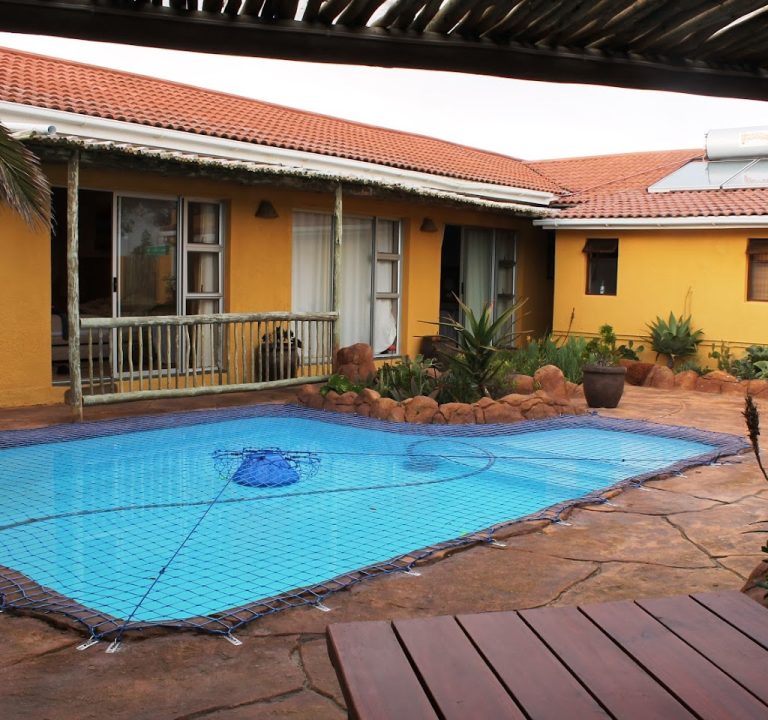
If you’re considering an example stay, Neptune Isle Accommodation illustrates the appeal of apartment-style living in a South African city context. Such options can provide privacy and home-like amenities while you explore Cape Town’s coastline, hills, and vibrant street life. For more inspiration, browse a range of properties that emphasise comfort, accessibility, and a sense of place, and use reputable booking platforms to compare locations, reviews, and recent guest experiences. With thoughtful planning, your Cape Town stay can pair a comfortable home base with the city’s remarkable natural beauty and dynamic culture.