Discovering Cape Town: where to stay, what to do, and how to plan your visit
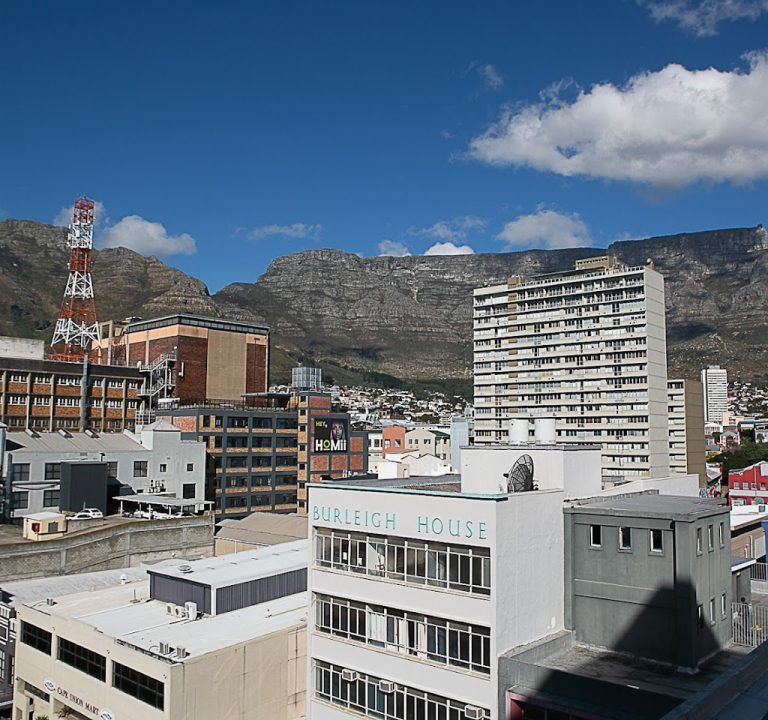
Cape Town, set between the Atlantic and the dramatic Table Mountain, offers a rich tapestry of neighbourhoods, climates, and experiences. When planning a stay, it helps to think in terms of character and access: urban convenience in the city bowl, coastal charm along the Atlantic Seaboard, or hillside calm a little further afield. Accommodation ranges from design-led hotels and boutique guesthouses to self‑ catering apartments and contemporary lodges. Your choice should balance budget, pace, and how you plan to explore each day’s scenery.
Areas to consider include the historic central district, which puts you close to museums, markets, and a lively dining scene; the V&A Waterfront area, ideal for family-friendly stays with easy access to harbour activities; the fashionable Cape Town City Centre and Gardens for leafy, walkable streets and a cosmopolitan vibe; and the Atlantic Seaboard, where long beaches, stylish cafés, and dramatic ocean views create a resort-like atmosphere. For pristine nature within easy reach, foothills and ridges surrounding the city offer quieter pockets with excellent public transport connections to the main sights.
When booking, look for a few practical features that will make a stay smoother. Proximity to MyCiTi bus routes or train stations can save time and reduce the need for car rental, especially during peak traffic. Check whether the property offers secure parking if you expect to hire a car. Consider the style of your stay: a light-filled apartment with a kitchenette can suit longer visits or family trips, while a small hotel room or guesthouse may be easier for shorter breaks. If you prefer social spaces, a property with a lounge, rooftop terrace, or on-site dining can add convenience without sacrificing comfort.
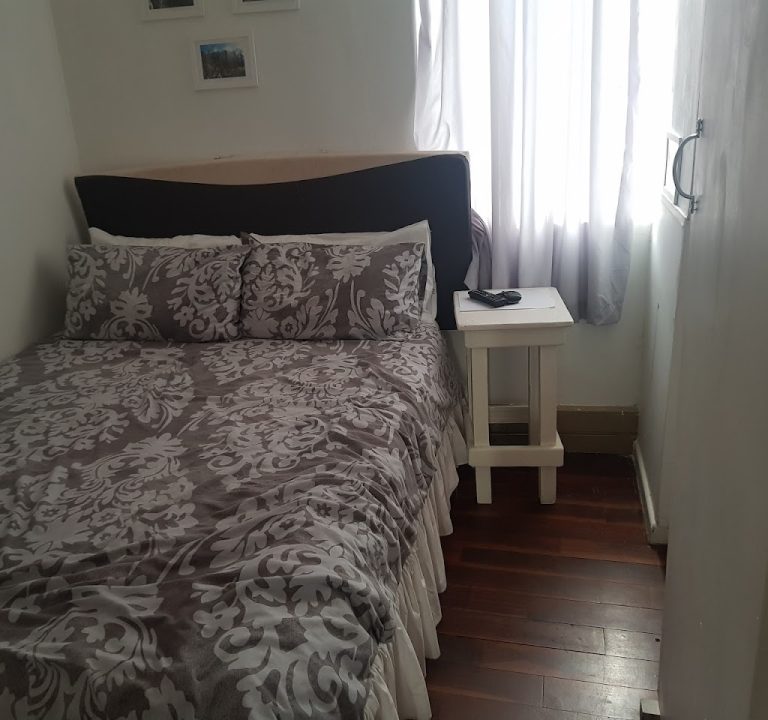
Typical amenities to expect include reliable Wi‑Fi, comfortable bedding, adequate heating or air conditioning for Cape Town’s variable climate, and a good supply of fresh towels. Some properties emphasise sustainability or locally sourced styling, which can enhance the sense of place. Housekeeping schedules vary, so it helps to know whether towels are refreshed daily and if rooms are serviced mid-stay. If you have mobility needs, check accessible entry points, lift access, and the layout of common areas before booking.
Accommodation in Cape Town often blends comfort with design. Boutique hotels may showcase carefully curated art and premium linens, while guesthouses offer intimate, personalised service in a neighbourhood setting. For travellers seeking a strong sense of local flavour, consider staying in properties that highlight South African hospitality, with guest hosts or concierges who can arrange guided walks, wine-tasting trips, or market tours. A few options specialise in short stays with a focus on creative and culinary experiences, providing an authentic port of call during your visit.
One example among significant options is Neighbourgood East City, a contemporary hotel inspired by urban living and convenient city access. It sits in a well-connected area that allows easy exploration of Cape Town on foot or via public transport. For more information, see their website at Neighbourgood East City.
Top experiences to plan around include a cable-car ride or hiking route up Table Mountain at sunrise or late afternoon, offering panoramic views and a memorable start or end to the day. The nearby harbour and waterfront precinct provide opportunities for scenic strolls, boat trips, and visits to markets or craft stalls. On land, a scenic drive along the Atlantic coast reveals secluded beaches and dramatic vistas; in the city, constitutional history and vibrant markets offer a fascinating blend of culture and context. In all cases, a sensible plan balances outdoor time with indoor escapes such as museums, galleries, or a cosy café stop when the weather shifts.
Dining in Cape Town spans casual bistros, seafood shacks along the coast, and elevated restaurants focused on seasonal ingredients. There is a broad emphasis on fresh produce, Mediterranean influences, and thoughtfully sourced wines from nearby regions. When choosing where to eat, look for places with terraces or windows that keep the city light in view, particularly for sunset meals. Reservations are wise in peak periods, especially over weekends and holiday seasons, and if you have dietary preferences, many venues are happy to tailor dishes with prior notice.
- Best time to visit: Cape Town enjoys a Mediterranean climate with dry summers and wet winters. The period from late spring to early autumn (roughly September to April) tends to be lively, with long daylight hours for outdoor activities. Shorter shoulder seasons can offer milder weather and fewer crowds.
- Transport tips: A combination of walking, taxi services, and public transport works well. If you hire a car, plan parking ahead in busy parts of the city, particularly in central areas and near popular attractions.
- Practical tips: Pack layers for rapidly changing conditions; afternoons can be warm, while mornings at higher elevations are cool. Stay hydrated during outdoor explorations and ensure sun protection, even on overcast days.
Planning a Cape Town stay is about weaving together accommodation with day-by-day itineraries that allow time for both city pulse and natural splendor. Build in flexible periods for weather, and prioritise experiences or neighbourhoods you most want to explore. With careful selection of where to stay and how to move around, visitors can enjoy a comfortable base and a sense of discovery that makes a week in Cape Town feel both relaxed and richly eventful.