Where to Stay and What to Do in Cape Town, Western Cape
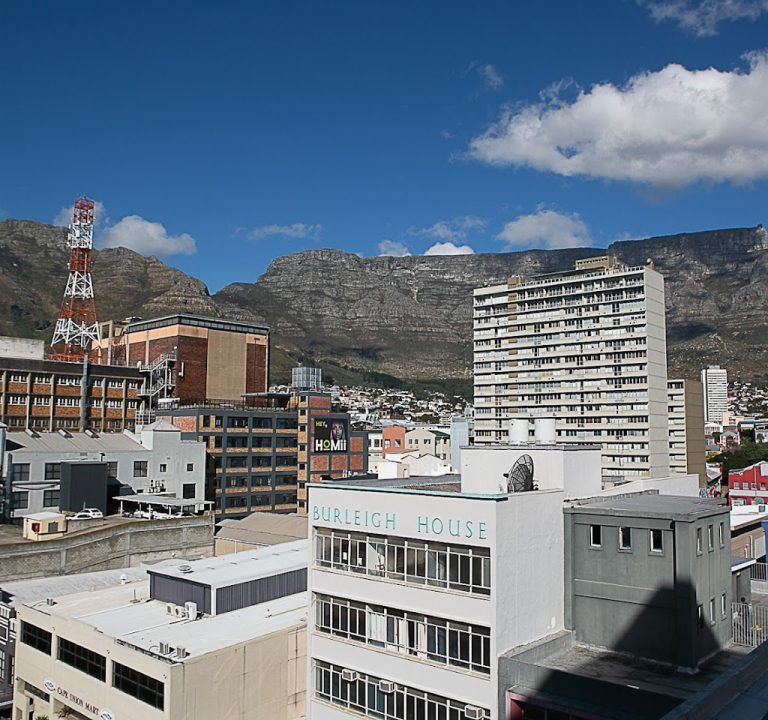
Cape Town is a city of contrasts, where mountain vistas meet harbour lights and beaches sit alongside bustling urban streets. When planning a stay, think about what kind of experience you want: a relaxed beach escape, a mountain-adjacent retreat, or a vibrant hub close to restaurants and nightlife. The best options span guesthouses, boutique lodges, and larger hotels, often clustered around a few core neighbourhoods that each offer a distinct flavour of the city.
Areas to consider include the Atlantic Seaboard, where glimmering coastlines and stylish dining scenes beckon; the City Bowl, a compact centre with access to major sights and nightlife; and the southern suburbs, where leafy streets and expansive views are common. For a nature-forward stay, the Constantia Valley and nearby Table Mountain foothills provide tranquil settings with easy access to trails. If you want proximity to the waterfront without sacrificing quiet, the V&A Waterfront area offers a mix of accommodation styles with convenient transport connections. Image Lodge, a lodge-style option in a tranquil setting, is an example of the kind of lodge that blends comfort with a sense of place.
Typical amenities to look for when booking include free Wi‑Fi, secure parking, and a reliable breakfast offering. Many lodges and guesthouses in Cape Town also include access to a pool, outdoor spaces with mountain or sea views, and on-site lounges or wellness facilities. In some boutique properties, you may find guest-curated local experiences, such as guided hikes, culinary tastings, or wine-tuel tastings in nearby Constantia or the Cape Winelands. When booking, check whether the property can arrange airport transfers or offer guidance on public transport and reliable ridesharing options.
Transport around Cape Town is straightforward but planning helps. The MyCiTi bus network serves many central routes, while Uber and local ride-hailing options are widely available. If you’re renting a car, consider places with secure parking and note that some areas have steep hills or limited parking in peak seasons. For day trips, book a driver or join a small-group tour that covers landmarks like Table Mountain, the Cape Peninsula, and the Cape of Good Hope. For a truly scenic experience, a drive along the Atlantic coast or a cable-car ascent up Table Mountain can be memorable highlights of your itinerary.
Best time to visit Cape Town depends on what you want from your stay. Summer (December to February) brings long, sunny days and beach-friendly conditions, ideal for coastal activities and outdoor dining. Autumn (March to May) and spring (September to November) offer mild weather and fewer crowds, with the added bonus of flowers in the Kirstenbosch Gardens in spring. Winter (June to August) is cooler and wetter but can be enjoyed with cosy lodging, whale watching on the Atlantic seaboard in season, and fewer tourists. Whatever the season, it’s wise to book accommodation with flexible terms during peak periods and to confirm any on-site facilities such as heated pools or spa services if those are part of your plan.
When choosing a place to stay, consider these practical tips:
- Location: Balance proximity to sights with the vibe you want—quiet mornings with sea views or lively evenings near cafés and markets.
- Size and layout: For families or groups, look for multi-room options, kitchen facilities, and easy access in and out of the property.
- Safety: In busy districts, verify secure entry, good lighting, and well-reviewed safety measures in public areas.
- Cancellation policy: Flexible terms are helpful if your plans might shift with the weather or season.
- Local hosts and experiences: Many properties offer curated recommendations, transit tips, or small-group activities that showcase Cape Town’s culture and scenery.
Avisiting Cape Town also offers a constellation of dining and cultural experiences. In broad terms, you’ll encounter seafood shacks along the coast, brasserie-style eateries in the city bowl, and fine-dining venues that emphasise South African terroir. Expect a mix of international flavours and local ingredients, with braai (barbecue) traditions appearing in various guises across casual and fine dining settings. For a relaxed evening, seek out restaurants with outdoor spaces and mountain or harbour views to complement the city’s dramatic scenery.
For sightseeing, plan to spend at least a day on the iconic upper section of Table Mountain (via cable car or guided hike) and a day exploring the Cape Peninsula’s coastline, including viewpoints and nature reserves. Kirstenbosch National Botanical Garden is a must for plant lovers and walkers alike, while a stroll through neighbourhood markets can reveal handmade craft, local produce, and street performances. For a casual day, explore the V&A Waterfront precinct, where you can enjoy harbour views, contemporary galleries, and a range of casual eateries. Cape Town’s restaurant scene rewards careful choice and patience; it’s worth pausing to assess menus and dietary options, as many places offer menus that showcase seasonal ingredients and regional wines.
In short, Cape Town rewards travellers who combine flexible lodging choices with a well-planned itinerary. Whether you favour a riverside lodge, a boutique guesthouse in a hillside suburb, or a modern hotel with ocean-facing rooms, you’ll find a balance of comfort, character, and accessibility that suits your plans. With its natural beauty, diverse dining, and easy access to iconic experiences, Cape Town makes for a memorable stay—whatever time of year you choose to visit.