Staying in Cape Town: guidance on accommodation, planning and exploring
Cape Town blends dramatic scenery with a mosaic of neighbourhoods, each offering a distinct atmosphere for visitors. When choosing a place to stay, consider what you want to wake up to each morning: ocean views along the Atlantic seaboard, greenery and hillside calm in the Wine Route towns, or a buzzy urban hub with easy access to dining and nightlife. In addition to price and style, think about how you’ll move around and how well your lodging supports your ideal rhythm—whether that means a bright room with a balcony for morning light, a quiet courtyard for afternoon rest, or a central base within easy reach of the city’s main attractions.
One popular approach is to balance a stay between a few different areas. The Atlantic Seaboard neighbourhoods, with their scenic coastal walks and easy access to beaches, suit travellers seeking day-long sightseeing punctuated by refreshing sea breezes. The city bowl and central areas offer proximity to museums, markets, and a vibrant dining scene, ideal for those who want to walk or short rides to major sights. Further afield, the Constantia and nearby Winelands provide a tranquil counterpoint, with leafy streets and not far from food and wine experiences. For guests who prefer a more intimate, home-from-home feel, a guest house or boutique lodge can deliver personalised hospitality in a residential setting.
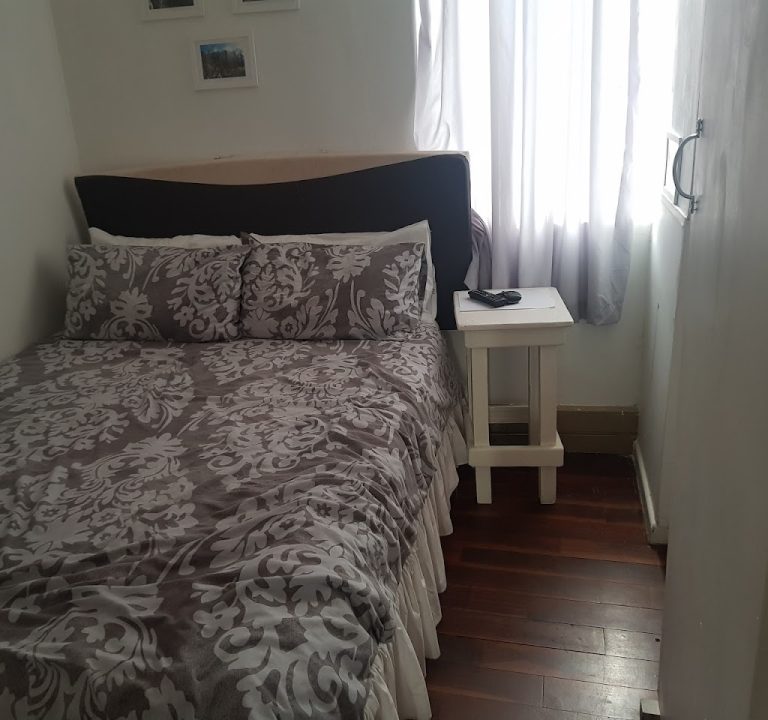
Consider what to look for when booking. Room size, natural light, and ceiling height often influence how relaxed you’ll feel after a day of exploring. Good quality bedding, adequate storage, and a reliable internet connection can make a lasting difference, especially for travellers who work remotely or plan to research plans during downtime. En-suite facilities, a well-equipped kitchenette or tea station, and a comfortable seating area all contribute to convenience and comfort. A guest house such as Bedfort Blue Accommodation typifies the sort of approachable, home-style lodging that suits travellers who value a friendly, low-key ambience alongside conveniences like secure parking or self-catering options.
Transport is a key part of planning. Cape Town’s geography means distances can feel longer than they appear on a map. If you’re staying near the city centre, you’ll benefit from pedestrian-friendly streets, buses, and rideshare options. For day trips to the Cape Peninsula, the winelands, or Kirstenbosch, verify whether your accommodation offers parking or easy access to public transport, and whether you can arrange a rental car or a guided tour with flexibility. If you prefer a car-free stay, select a location with walkable access to markets, cafés, and nightlife, plus close proximity to a reliable taxi or shuttle service for more distant excursions.
Peak times and seasons influence both prices and experiences. The southern summer months bring long days, lively beaches, and outdoor markets, but popular areas can become busy. Shoulder seasons often offer milder weather and quieter streets, with opportunities to explore major sights without the crowds. If you’re planning to hike or drive along scenic routes, consider weather conditions and daylight hours, especially around Table Mountain and the Cape’s coastal roads. Booking in advance for higher-demand periods is sensible, but flexible arrangements with cancellation terms can provide room to adjust plans as needed.
Typical amenities to look for include secure access, good ventilation, and climate control to stay comfortable through Cape Town’s varied climate. A light breakfast, access to a shared or private lounge, and a well-equipped kitchen or kitchenette can be valuable, particularly for longer stays. If you’re seeking a more immersive experience, some guest houses offer curated local recommendations, small-scale culinary experiences, or guided walks that reveal neighbourhood character and hidden viewpoints without needing to go far from home base.
When planning activities, think about combining nature, culture, and dining in a balanced way. Cape Town offers dramatic natural scenery—from ocean viewpoints and rugged coastlines to gentle green spaces and world-class botanical gardens. Many visitors pace themselves to spend mornings outdoors and reserve afternoons for museums, markets, or a relaxed café scene. Restaurants in general terms range from casual bistros and seafood spots to refined eateries, with a focus on fresh, locally sourced ingredients. Rather than chasing specific names, look for venues known for seasonal menus, friendly service, and a comfortable ambience that suits your travel style.
- Location: central access to days’ plans, or a scenic base with quick drives to major vistas.
- Transport: parking availability, proximity to public transit or easy access to vehicles for day trips.
- Amenities: reliable Wi‑Fi, comfortable bedding, quiet rooms, and self-catering options if desired.
- Guest experience: responsive hosts, local insights, and thoughtful touches that enhance your stay.
- Best time to visit: weigh weather, daylight hours, and crowds to suit your priorities.
In summary, planning a stay in Cape Town means weighing the benefits of a central base against the serenity of a hillside or wine country setting. Look for accommodation that aligns with your daily itineraries, ensures comfortable rest, and supports easy navigation to the city’s varied experiences. An example of the welcoming, home-from-home option you might encounter is Bedfort Blue Accommodation, a guest house style stay that illustrates the kind of personal, relaxed hospitality travellers often value. With thoughtful selection, your Cape Town visit can blend memorable landscapes, engaging culture, and satisfying meals into a well-paced and enjoyable itinerary.