Exploring Addo: Where to stay and what to do in the Eastern Cape
Set between the rolling hills and the sparkling coastline of the Eastern Cape, Addo offers a relaxed atmosphere for travellers seeking wildlife, nature and authentic South African hospitality. The area around Addo is a mix of game reserve scenery, riverine lodges and coastal escapes, making it easy to tailor a stay to your interests. Whether you arrive by car after a scenic drive along the coast or fly to nearby airlinks and hire a vehicle, you’ll find comfortable bases that suit families, couples and groups.
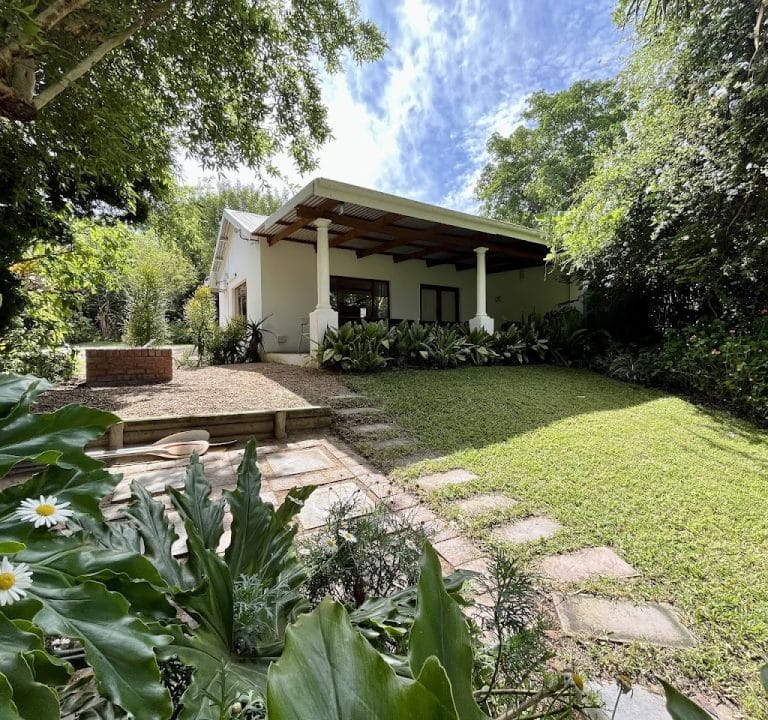
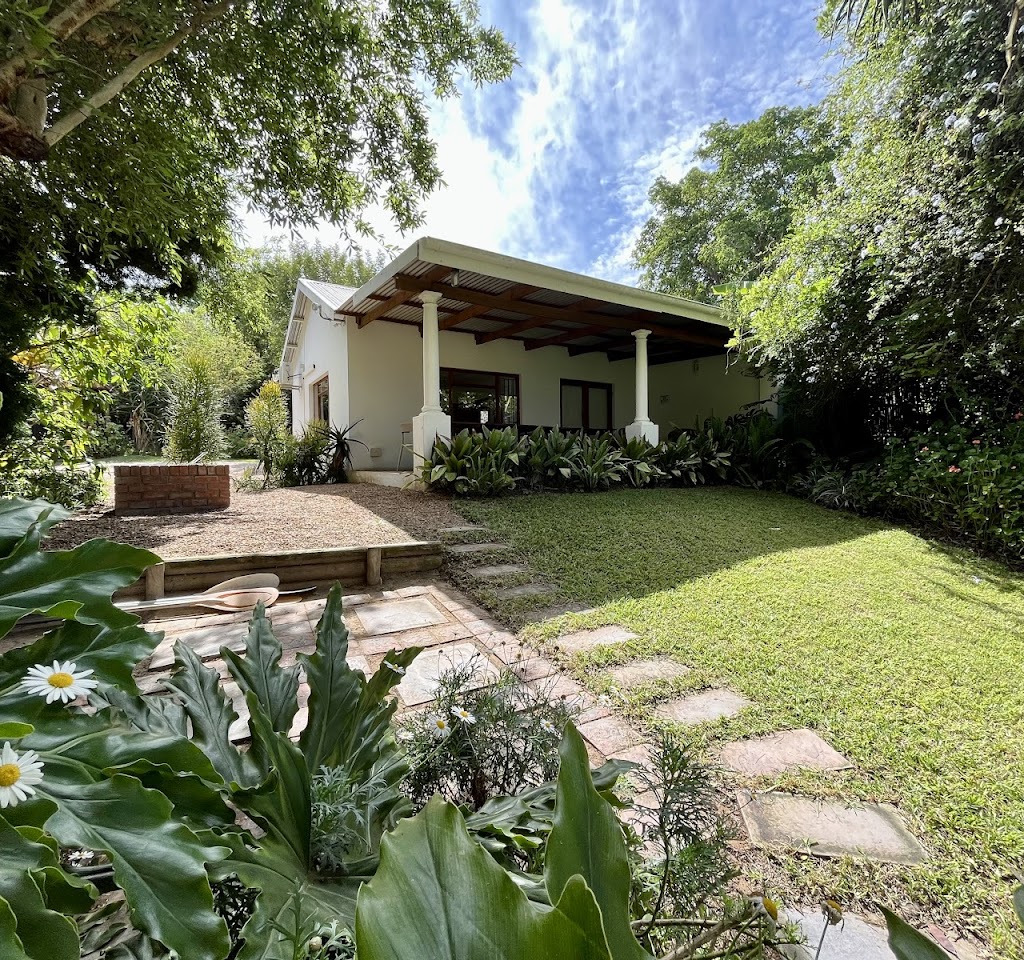
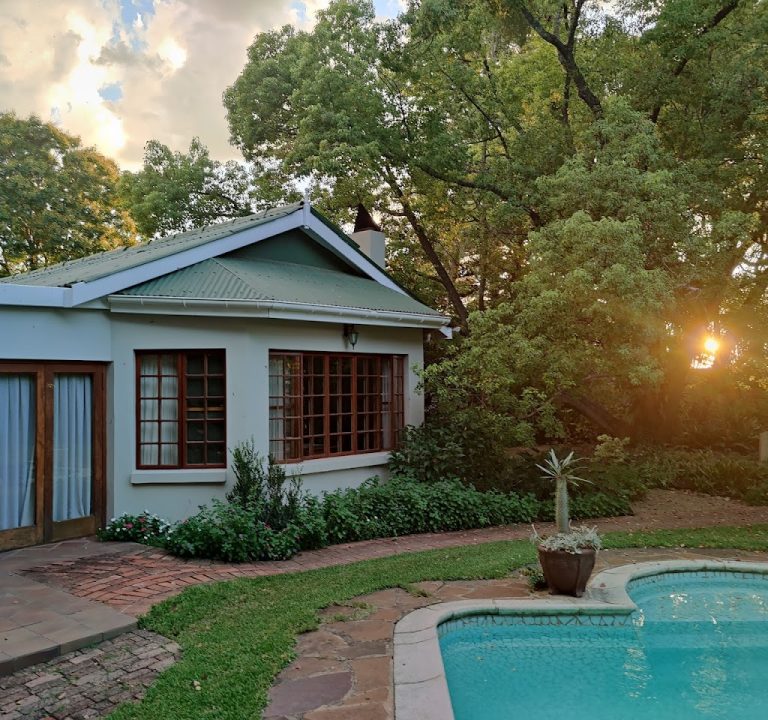
When planning your stay, you’ll typically choose between self-catering lodges, guesthouses and small boutique hotels. Self-catering options, such as river lodges, often provide generous living spaces, fully equipped kitchens, and outdoor areas where you can unwind after a day of exploring. If you prefer a more serviced stay, look for guesthouses or lodges that offer daily housekeeping, on-site reception and arranged activities. Consider the distance to the main wildlife areas, the kitchen facilities available, and whether there is a pool or a veranda with views over the surrounding landscape. For a representative local experience, a stay near riverine settings or close to the park can enhance your chances of wildlife sightings at dawn or dusk.
Accommodation areas to consider include:
- Near Addo Elephant National Park entrances for easy morning game drives and access to park facilities.
- River-side lodges that offer private balconies, outdoor seating and opportunities for boating or birdwatching from the property.
- Rural farmstays or guesthouses slightly outside the village, offering tranquil surroundings and a more traditional dining experience.
Typical amenities you might expect include comfortable bedding with clean linens, hot showers, cooking facilities or breakfast options, and outdoor spaces such as patios or decks. Many properties in the area provide barbecues or braai facilities, which are a popular way to end a day of safaris with a relaxed meal beneath the Southern African night sky. If you’re travelling with children, look for family-friendly rooms or suites, childproofing features and easy access to safe outdoor play areas.
Transport is a key planning consideration. Self-drive itineraries work well, giving you the flexibility to set your own pace and visit multiple viewpoints, towns and reserve gates. If you prefer not to drive, check whether your accommodation offers airport transfers or guided day trips to the park. The routes around Addo are generally quiet and well-signposted, but a clear map or GPS is helpful for reaching remote lodges or riverfront properties. For birdwatchers and nature lovers, a morning drive or a gentle canoe excursion can be a memorable way to start the day.
The best time to visit Addo depends on what you want from your trip. In the cooler, drier months (autumn and winter), wildlife sightings tend to be easier as animals congregate around water sources. The summer season brings lush landscapes, warmer nights and richly coloured birdlife, though afternoons can be hot. If you’re keen on whale watching or coastal trips, plan extra time to explore the nearby coastline and nature reserves. Weather can be variable, so packing layers, sun protection and a light rain jacket is sensible year-round.
Practical tips for booking and staying in Addo:
- Book ahead for peak seasons such as school holidays, festival periods, or long weekends, as popular lodges and guesthouses can fill quickly.
- Check the level of service you want, from fully serviced retreats to self-catering retreats, and confirm whether meals or kitchen access are included.
- Ask about park access times, guided options and whether the property can arrange early-morning or late-afternoon safaris or river activities.
- Ensure you have a clear plan for meals if the lodge is remote; many places offer breakfast and some provide dinner or suggest nearby restaurants.
- Prepare for a relatively quiet night sky and minimal light pollution which makes stargazing a pleasant addition to evenings.
When it comes to local attractions, Addo offers more than just wildlife. Beyond the gates of the national park, visitors can enjoy scenic drives, nature walks, birdwatching, and picnic spots alongside tranquil river views. For dining, you’ll find several eateries and casual restaurants in and around the area offering hearty South African fare, seasonal produce and local flavours. In addition to wildlife-viewing experiences, guided river trips, afternoon sundowners by the water and easy day trips to nearby coastal towns can round out a balanced itinerary. For readers looking to stay connected with a particular property, one example of accommodation with a self-catering focus is Ndlovu Addo River Lodge, which provides a comfortable base near the river and easy access to the surrounding landscapes. More information can be found on their official site: https://ndlovuriverlodge.co.za/.
In summary, Addo suits travellers seeking a laid-back, nature-forward stay with flexible accommodation options and easy access to wildlife experiences, river views and coastal day trips. By choosing a base that matches your preferred level of service, planning transport and deciding on the best time to visit, you can enjoy a memorable South African break in this unique corner of the Eastern Cape. For many visitors, the combination of tranquil lodges, friendly hosts and close proximity to the park makes Addo a standout destination for a relaxed yet rewarding escape.