A guide to staying in Cape Town: where to stay, what to look for, and how to enjoy the city
Cape Town is a city of contrasts, where dramatic coastlines meet winding streets, modern apartments sit alongside historic homes, and mountain views frame the horizon. When planning a stay, consider the variety of neighbourhoods and the pace you want from your trip. From bustling urban pockets to quieter coastal spills, there is something to suit every traveller. For many visitors, a stay that combines a stylish base with easy access to key sights makes for the most relaxed experience.
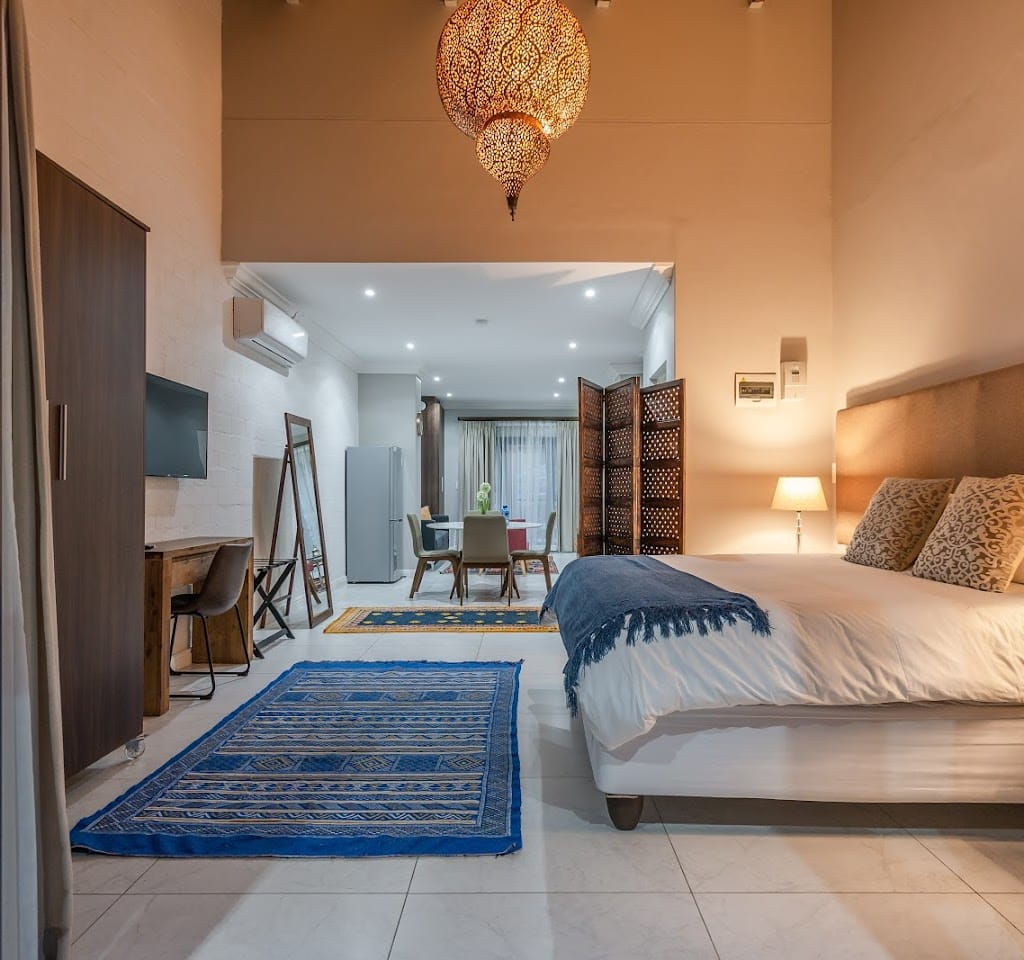
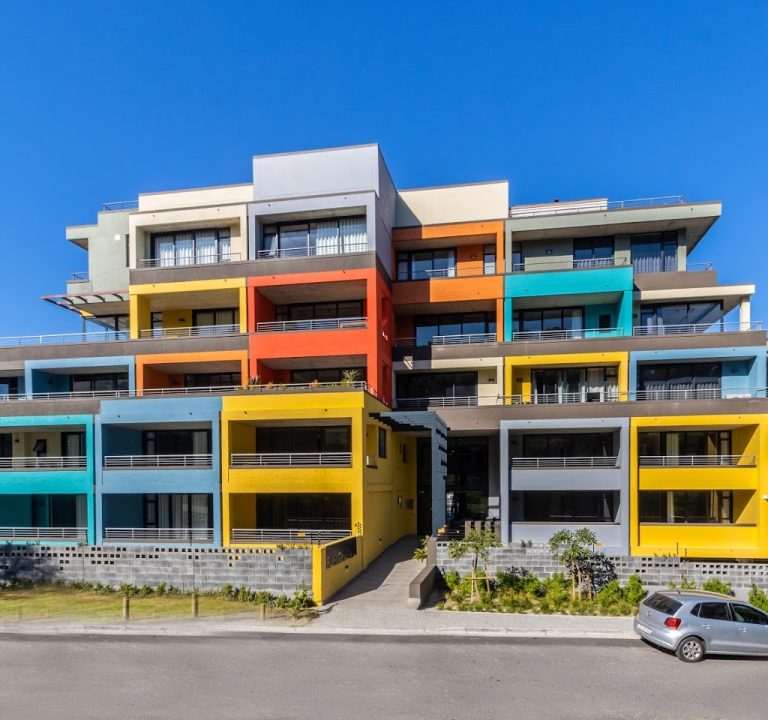
Accommodation in Cape Town ranges from boutique B&Bs and guesthouses to serviced apartments, hotels, and seasonally-driven lodges. A growing number of properties blend contemporary comforts with local character, making it easy to feel grounded in the city while enjoying modern amenities. One example of a well-suited option is Nazari House, which offers self-contained apartments in a convenient location. It can provide a comfortable home base whether you are exploring on foot, by taxi, or by car.
Areas to consider when booking
- City Bowl and the Central City: Within easy reach of cultural institutions, museums, cafés, and night life. Enables walkable access to attractions and a vibrant daytime and evening ambience.
- Atlantic Seaboard (the "Constantia to Camps Bay stretch"): Known for scenic coastal drives and premier views. Great for longer stays and guests who want proximity to beaches and restaurants.
- Southern Suburbs (e.g., Constantia, Kirstenbosch area): Largely residential, often quieter, with access to nature reserves and hillside trails, ideal for a relaxed, outdoorsy break.
- Green Point and Mouille Point: A balanced mix of city convenience and harbour-front leisure, with proximity to the V&A Waterfront and beaches.
- Bo-Kaap and De Waterkant: Rich in character, with colourful streets and cultural experiences, suited to travellers seeking atmosphere and proximity to historical sights.
- Woodstock and the suburb vibe: Emerging favourite for design-conscious travellers, with trendy eateries and markets nearby.
What to look for when booking
Key factors include the size and layout of the accommodation, especially if you are travelling with family or a group. Look for clear access to outdoor space or a balcony for fresh air and outlooks. Check for reliable wi‑fi, adequate storage, and well-equipped kitchens or kitchenettes if you plan to self-cater. For many visitors, on-site features such as a pool, secure parking, and a pleasant communal area can significantly boost convenience and comfort.
Typical amenities you might encounter include air conditioning or heating suitable for coastal weather, quality bedding, and in-room facilities that make a stay feel easy and restful. Serviced apartments or well-run guesthouses often provide flexible housekeeping options, which can be preferable for longer visits. If you enjoy a slow morning, a generous breakfast offering or a well-stocked in-room beverage station can be a nice touch, while easy access to public transport or reliable parking makes day trips straightforward.
Transport and getting around
Cape Town’s transport options include MyCiTi buses in central areas and along the coast, metered taxis, ride-hailing services, and car rental. Proximity to a main corridor or major routes can save time, particularly if you plan to visit the Cape Peninsula or the Cape Winelands on day trips. For beach days, consider properties with convenient access to coastal roads and limited hill climbing. If you prefer to walk, staying near the city centre or along the Atlantic Seaboard can be especially practical.
Best time to visit and practical tips
Cape Town’s climate is fairly mild, with dry summers and wetter winters. The summer season (roughly November to March) can be lively with longer days and more outdoor events, while autumn and spring (April to May or September to November) bring pleasant temperatures and fewer crowds. Winter months (June to August) are cooler and sometimes rainy, but the city’s indoor attractions and dining scene can be particularly inviting at this time.
When planning, balance sight-seeing with downtime. The city is best enjoyed at a relaxed pace: set aside time for a slower breakfast, a stroll along the waterfront, or a scenic drive along the Atlantic coast. Be mindful of the harbour’s peak traffic periods if you are using a car to explore. In peak travel windows, booking accommodation well in advance can help secure your preferred area and property type.
What to expect from attractions and dining (in general terms)
Cape Town offers a wealth of experiences, from sweeping coastal views and nature reserves to museums, markets, and creative hubs. When choosing activities, consider a mix of outdoor scenery, cultural insight, and culinary exploration. For dining, expect a broad range of options—from casual cafés and bistros to higher-end restaurants that showcase South Africa’s diverse culinary influences. Township tours, wine country excursions, and nature hikes can be rewarding ways to understand the region’s landscape and local communities, while safer, scenic viewpoints and designated trails offer memorable moments for all ages.
Practical planning tips
- Read guest reviews and look for consistency in service, cleanliness, and responsiveness.
- Check access details for stairs or accessibility features if needed.
- Confirm check-in and check-out procedures, especially for self-service options.
- Verify nearby amenities such as supermarkets, cafés, and medical facilities.
- Pack layers for changing weather and a light rain jacket, even in summer.
Whether you are drawn to the city’s urban energy, its white-sand beaches, or its wine routes and rugged coastal scenery, Cape Town makes it easy to tailor a stay to your interests. By selecting a neighbourhood that suits your pace, confirming essential amenities, and planning day trips with transport in mind, you can enjoy a balanced and memorable visit. For many travellers, a stay that blends a comfortable apartment or guesthouse with easy access to the city’s sights—and a few lowered-stress planning choices—proves the most satisfying way to experience Cape Town and the Western Cape.