Cape Town: Accommodation, attractions and planning your stay
Cape Town offers a diverse range of places to rest your head, from boutique guesthouses tucked into picturesque streets to modern hotels with sweeping harbour and mountain views. When planning a stay in this city, it helps to think about which neighbourhoods best suit your itinerary and how you want to experience the surrounding landscape, culture and cuisine. Whether you prefer a calm seaside vibe on the Atlantic Seaboard or a bustling, central base close to the city’s attractions, there are options to match most travel styles and budgets.
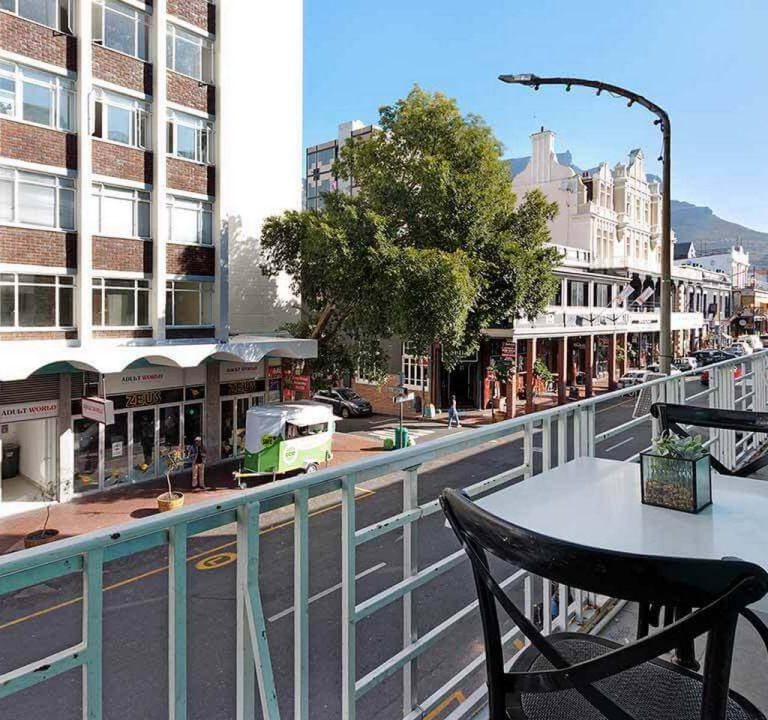
Areas to consider include the City Centre and the historic Bo-Kaap for easy access to museums, historic streets and a lively dining scene. The Atlantic Seaboard, including Camps Bay and Clifton, is famous for beaches and sunsets, while Green Point and V&A Waterfront offer a mix of waterfront walks, shopping and entertainment. Constantia and the Southern Suburbs provide a more relaxed, leafy backdrop with scenic wine farms nearby. If you’re chasing mountain views and easy access to hiking trails, consider lodges or boutique hotels perched on the lower slopes of Table Mountain or Signal Hill. Cape Town Fynbos Hotel, for example, represents a type of hotel option you might encounter in these varied settings, illustrating how accommodation can blend comfort with a sense of place.
When booking, look for typical amenities that will make your stay comfortable and convenient. A reliable Wi-Fi connection is essential for planning days, especially if you’ll be researching attractions on the go. Breakfast inclusions can save time in busy schedules, particularly when you’re heading out for early hikes or harbour trips. A comfortable, well-equipped bathroom, good climate control, and soundproofing help with rest after a day of exploring. If you’re travelling with family or a group, seek rooms or suites with flexible sleeping arrangements and sufficient storage. For longer stays, kitchen facilities or access to a kitchenette can be a real asset.
Transport is a key consideration in Cape Town. Proximity to public transport, such as the MyCiTi bus network, can make sightseeing easier and more economical, while staying near taxi or rideshare hubs reduces time spent commuting. A car is convenient for day trips to the Cape Winelands, the Cape Peninsula, or beaches along the Atlantic Seaboard, but plan parking availability in busy areas. Many properties will assist with arranging airport transfers or suggest reputable local operators for tours, which can be a stress‑free way to access popular spots such as Table Mountain, the Cape of Good Hope, or Robben Island. For those preferring a pedestrian-friendly base, the central districts offer walks to museums, markets, and cafés, especially around the V&A Waterfront and adjacent neighbourhoods.
Best time to visit Cape Town depends on what you want from your trip. Late spring and autumn (October to November and March to May) offer mild weather and fewer crowds, ideal for hiking and winery visits. Summer (December to February) brings long days and lively harbour life, but can be busier and more expensive. Winters are cooler and wetter, yet the city retains its appeal with indoor experiences such as museums, galleries and excellent dining. If you plot outdoor activities, be mindful of the local climate patterns; for example, morning mists or sea breezes can influence visibility for mountain excursions or coastal drives.
Accommodations in Cape Town span from luxury hotels with panoramic views to intimate guesthouses nestled in quiet lanes. Many properties emphasise a sense of place, often incorporating local design elements and nature-inspired decor. It’s common to find rooms with en-suite bathrooms, hospitality trays, powerful showers and access to common terraces or gardens. For longer stays, some establishments offer on-site laundry facilities or weekly housekeeping; if these services are important, it’s worth confirming them before booking. Eating options vary widely, with some hotels offering in-house dining while others provide curated recommendations for nearby restaurants and markets. When planning evenings, consider a neighbourhood’s restaurant clusters and safety at night, particularly in the central and less-touristy parts of town.
For those seeking experiences beyond the bed and breakfast, Cape Town’s attractions encompass natural beauty, culture and gastronomy. Iconic landmarks such as Table Mountain and experienced guides for coastal or mountain walks provide a sense of adventure. The city’s harbour area offers waterfront strolls, markets and opportunities to learn about the region’s maritime history. In terms of dining, Cape Town is known for its diverse culinary scene, with options ranging from casual cafés to fine dining that spotlight local produce, seafood and wine pairings. When visiting popular areas, plan to book ahead for restaurant experiences during peak seasons, and consider exploring neighbourhoods that blend traditional cuisine with modern twists to get a true sense of Cape Town’s flavours.
Tips for a smooth stay:
- Read recent guest reviews to gauge consistency in cleanliness, service, and safety.
- Check the cancellation policy and any seasonal surcharges for peak periods.
- Ask hosts or concierge services about safeguarding advice for the areas you plan to visit after dark.
- Request information about nearby supermarkets, pharmacies and medical facilities, especially if travelling with children or to be away from main hubs for extended periods.
- Consider a flexible itinerary that includes both outdoor adventures and leisure days in cafés or on terraces to balance activity with rest.
Cape Town rewards steady planning with a blend of landscapes, culture and cuisine. By choosing a well-situated base, verifying essential amenities, and factoring transport and seasonal timing into your plans, you can craft a memorable stay that makes the most of what the region has to offer. For further ideas and practical planning tips, you can explore official tourism sites and reputable travel guides that cover accommodation options, dining recommendations, and day trips to the surrounding mountains, vineyards and coastlines.