Accommodation and Planning a Stay in Cape Town, Western Cape
Cape Town is a city of contrasts, from dramatic coastline to verdant winelands and surrounding mountains. When planning a stay, consider which neighbourhood will frame your days and experiences. The City Bowl offers central access to sights, restaurants and markets; the Atlantic Seaboard promises ocean views and easy beach access; the Southern Suburbs and Constantia provide leafy tranquillity and world-class estates. Each area has its own rhythm, so your choice can shape your days, from sunrise walks on the beach to sunset cocktails with a mountain backdrop.
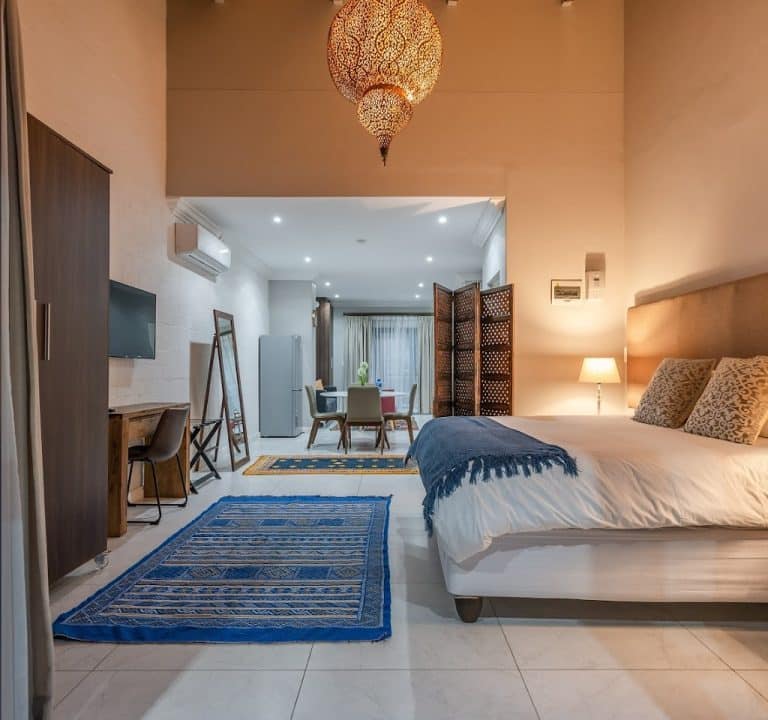
Booking ahead is wise, especially during peak seasons. Look for hosts and properties that emphasise thoughtful details: quiet rooms or suites with good ventilation, reliable hot water, dependable Wi‑Fi, and clear information about access and parking. When you book, check policies on check-in flexibility, housekeeping frequency, and any shared facilities such as kitchens, lounges or outdoor spaces. Amenities that save time and enhance comfort—such as a well-equipped kitchenette, laundry facilities, secure parking, and on-site parking—can make a big difference for longer stays.
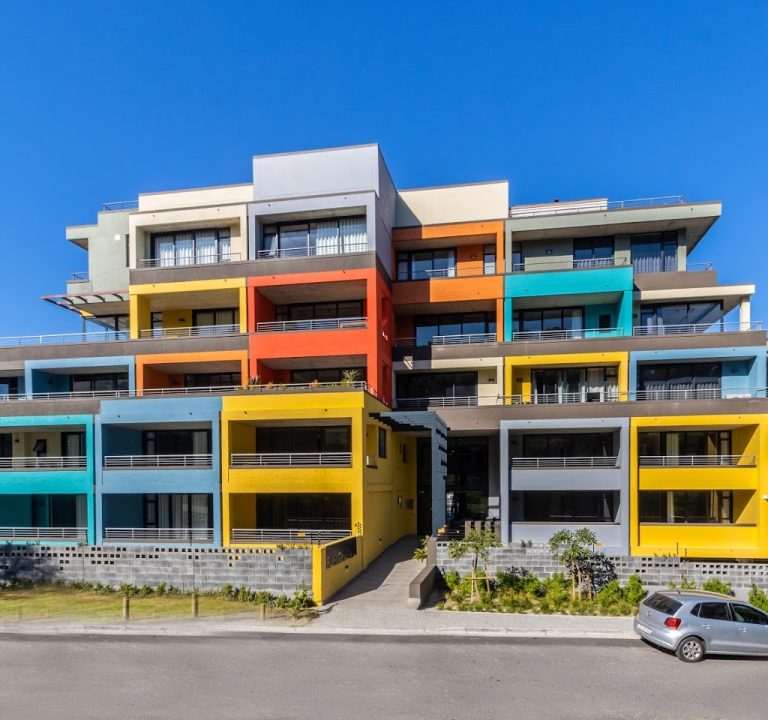
Typical accommodation options range from stylish BnBs and guesthouses to boutique hotels and self‑catering apartments. In the City Bowl you may find charming colonial houses or contemporary lofts; along the Atlantic Seaboard, sea-facing rooms and balconies are common. If you prefer a quieter base close to green space, the Constantia Valley and surrounding southern suburbs offer guesthouses set within vineyards or leafy streets. For easy access to the harbour, consider properties near the V&A Waterfront or the inner harbour area, where routes to ferries and tours are convenient.
- Proximity to public transport: MyCiTi buses, rail links and ride-hailing availability can greatly influence daily plans.
- Vehicle access and parking: confirm whether the property offers secure parking or easy street parking, and whether a vehicle is necessary for your itinerary.
- Amenities to prioritise: reliable heating or cooling, comfortable bedding, blackout curtains, and a well-equipped kitchen or kitchenette.
- Guest services: hosts who provide local insights, maps, and recommendations for day trips, markets, and restaurant scenes.
- Safety and security: well-lit entrances, 24‑hour reception or on-site staff, and clearly communicated safety guidelines.
When planning daily activities, think about transport logistics. Cape Town’s geography means travel can be faster by planning routes that minimise backtracking. If your stay centres on the city, walking and short rides can be practical, with Uber or local ride-hailing services offering a convenient option. For day trips to the Cape Winelands, the Cape Peninsula, or the Cape Point region, you might arrange guided tours or hire a car for flexibility. If you enjoy scenic routes, a leisurely drive along the Atlantic coast provides memorable viewpoints and opportunities to stop for coffee or a light meal.
The best time to visit Cape Town depends on your priorities. Summer (December to February) brings warm seas, longer days and a lively beach culture, but it is also a busy period. Spring (September to November) and autumn (March to May) offer milder weather, lush landscapes, and fewer crowds, which can be ideal for exploring Kirstenbosch Botanical Gardens, Table Mountain, and nearby nature reserves. Winter (June to August) is cooler and often wetter, yet it can bring dramatic cloud formations over the mountains and lower hotel rates in quieter neighbourhoods. Pack layers to adapt to microclimates, sunscreen for sunny days, and a light waterproof layer for the possibility of sudden showers.
Practical tips for a smooth stay include arriving with a ready plan for dining and activities. Cape Town’s dining scene ranges from casual markets and cafés to formal dining rooms; many spots offer outdoor terraces that take advantage of harbour and mountain views. For a balanced itinerary, mix outdoorsy days—Table Mountain cable car or walking the cliffs of the Atlantic Seaboard—with cultural strolls through historic districts such as Bo-Kaap or the Waterfront precinct. For nature lovers, Kirstenbosch Gardens, Cape Point reserve, and nearby geschiedte winelands are classic day trips that pair well with a relaxed stay at a well-positioned base.
Before you travel, consult official tourism resources for practical updates on transport, openings, and seasonal events. A reliable starting point for planning is their visitor information sites, which offer suggestions for routes, attractions and safe, enjoyable experiences. For accommodation-specific information, many hosts and guesthouses provide detailed guides to nearby markets, coffee spots, and scenic viewpoints that align with their guest experience. For more inspiration on what Cape Town has to offer, you can explore general travel resources that highlight landscape, culture, and the diverse culinary scene without relying on price or award claims.