Discovering Johannesburg: where to stay, what to see, and how to plan your visit
Johannesburg, or Jo’burg as it’s affectionately called, is a dynamic gateway to Gauteng’s culture, history and modern energy. A well-chosen stay can shape a trip from a routine city break into a textured experience of neighbourhoods, art, cuisine and easy access to surrounding attractions. When selecting accommodation, consider the area, the vibe, and the practicalities of getting around the city.
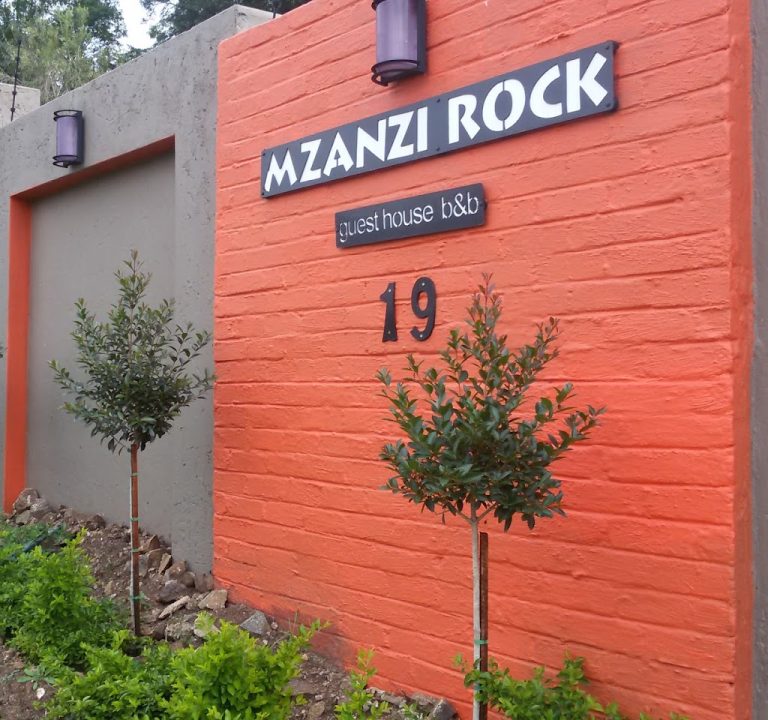
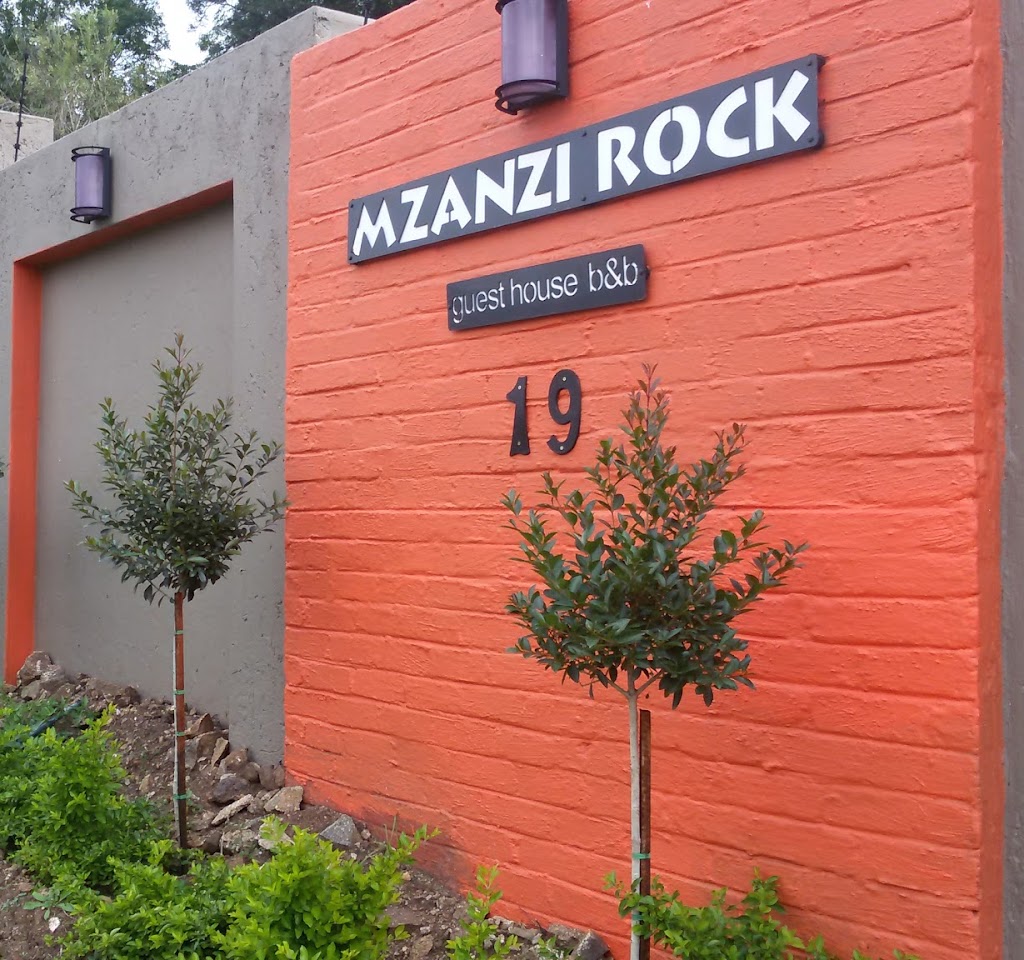
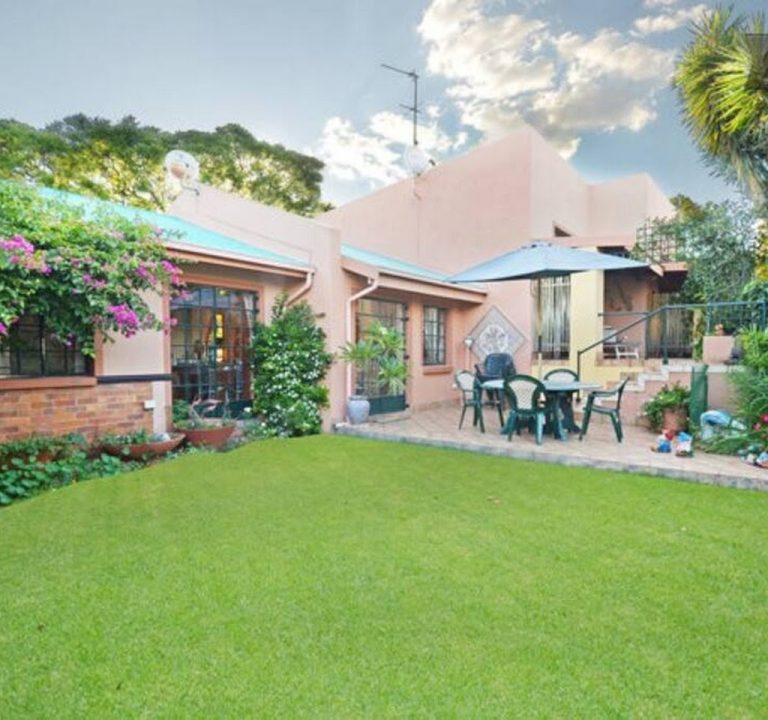
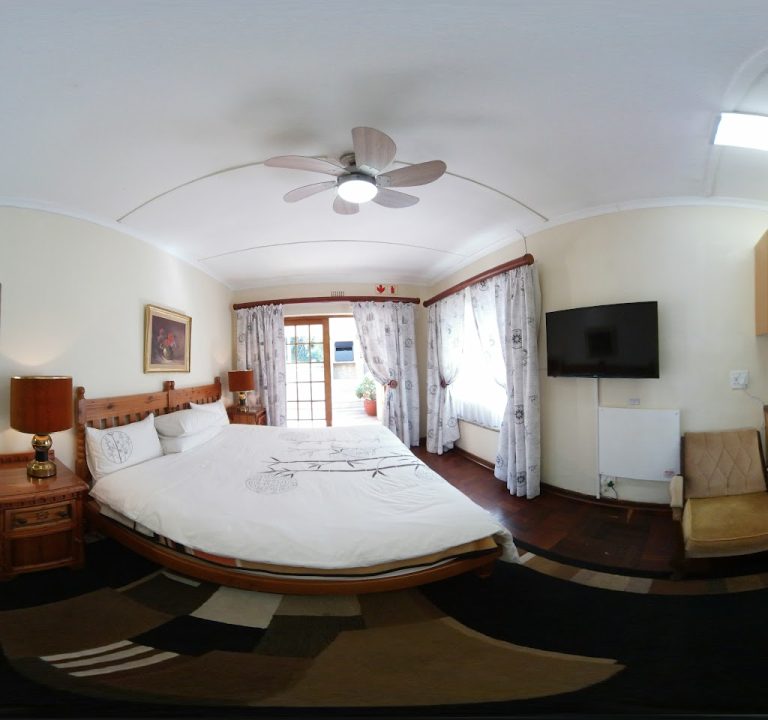
For a comfortable stay with a personal touch, consider guest houses and boutique lodges that blend local character with everyday practicality. A thoughtfully chosen guest house can offer a home-from-home ambience, helpful advice on local routes, and a personable welcome that makes a visit feel relaxed rather than rushed. If you are exploring options such as Mzanzi Rock Guest House, you’ll often find a cosy setting with room facilities that suit travellers seeking convenience and hospitality in a safe, central area. For a stay with easy access to urban highlights, a residence in or near popular districts can minimise transit time and maximise exploration.
Where to stay matters as much as what to see. The northern and central parts of Johannesburg include a variety of precincts that cater to different preferences:
- Sandton and surrounding areas for a more polished, business-friendly environment with parks, shopping and easy transport links
- Braamfontein and the Maboneng Precinct for a lively arts, dining and nightlife scene
- Rosebank and Parkhurst for a mix of boutique shopping, cafes and leafy streets
- Hyde Park and Melrose for quieter, upmarket stays with spacious venues
When booking, look for practical amenities. A good guest house or boutique hotel should offer secure parking or clear guidance on safe parking nearby, reliable Wi‑Fi, a well-equipped kitchenette or continental breakfast options, and a friendly reception team to help you plan day trips. Clean, well-lit common areas, decent soundproofing, and clear safety information are worth prioritising. If you are travelling with family or a group, request extra beds or rooms that can connect without feeling cramped, and check whether there are laundry facilities on site or nearby laundromats.
Transport is a key consideration in Johannesburg. The city is large and traffic can be busy, especially during peak hours. A stay with easy access to a Gautrain station or major bus routes can save you time. Uber and other ride-hailing apps are widely used and generally convenient, but it helps to have local directions ready in case traffic patterns differ from what you expect. If you plan to explore beyond the inner city, a property with parking or a garage can ease your daily excursions to places such as the old mining suburbs, markets, or nearby nature reserves.
Best time to visit Johannesburg is typically during the dry winter and shoulder seasons, from late autumn to early spring. Days tend to be sunny and pleasant, with cooler evenings. The summer months bring occasional storms and higher humidity, which can be humid but still comfortable with a little preparation. If you enjoy outdoor markets, street food and open-air venues, plan accordingly around the local climate and occasional afternoon showers.
Dining and attractions are woven into the fabric of a Johannesburg stay. You’ll find a spectrum of eateries ranging from traditional South African flavours to international cuisine, often clustered in hub areas like central districts, pedestrian-friendly precincts, and up-and-coming neighbourhoods. In general terms, the city offers vibrant coffee spots, casual bistros, and refined eateries where chefs experiment with local ingredients and global techniques. For a balanced visit, pair a morning in a cultural or historic precinct with a relaxed afternoon exploring craft markets, galleries or city viewpoints.
To give you a sense of planning, here are some broad ideas for a well-rounded itinerary:
- Allocate a couple of days for central culture: museums, historical sites, and street art walks.
- Dedicate an afternoon to a contrasting neighbourhood with markets, cafés and boutique shops.
- Schedule a day trip to a wildlife or nature experience within reach of the city, such as a nearby park or reserve.
Practical tips to consider during preparation and on arrival include respecting local safety guidance, staying aware of your surroundings, and keeping valuables secure. Always have digital copies of essential documents and a small amount of local currency for a quick purchase, while most places accept card payments. When booking, ask about continental breakfast options, room layouts, and policy details such as check-in times and what is included in your stay. Reading recent guest reviews can offer helpful context about cleanliness, the reliability of Wi‑Fi, and the responsiveness of on-site staff.
For more information on a specific option, such as a guest house with a personalised approach to hospitality, you can visit the establishment’s official website. For example, Mzanzi Rock Guest House provides an example of a guest-house style stay, with emphasis on friendly, practical hospitality in a central location. You can find additional information and book directly via their website at Mzanzi Rock Guest House.
Johannesburg rewards careful planning with a balanced mix of urban culture, historical context, and modern convenience. By choosing the right neighbourhood, confirming essential amenities, and building a flexible itinerary, you can enjoy comfortable accommodation while discovering the city’s diverse experiences, from vibrant street life to contemplative corners and restful nights.