Johannesburg: Where to Stay, What to Do, and How to Plan Your Visit
Johannesburg, or Jo’burg as many locals call it, is a vibrant mix of urban culture, historic corners and modern comforts. When planning a stay in Gauteng’s largest city, air‑side familiarity with popular neighbourhoods helps you maximise time and enjoyment. From stylish guesthouses in leafy northern suburbs to contemporary stays in central districts, there are options to suit different budgets and styles.
Areas to consider for accommodation include the northern suburbs, the city precincts, and the inner‑city belt that links business, dining and nightlife. The northern suburbs tend to offer a calmer, more residential atmosphere with easy access to shopping centres, good schools (if travelling with family), and parking options. The central areas and precincts closest to the city centre are ideal for guests who want to be within walking distance or a short ride of theatres, museums, markets and a diverse restaurant scene. Suburban hubs with a village‑like feel provide a blend of boutique guest houses, guest rooms and intimate lodges, often surrounded by leafy streets and cafés.
When choosing accommodation, consider the following:
- Proximity to your planned activities and transport links, such as Gautrain stations or reliable taxi apps.
- Type of stay: guest houses and B&Bs offer personal service and breakfast options; hotels provide larger facilities; self‑catering options may suit extended stays.
- Safety features and well‑lit access, especially if you anticipate evenings out in busy districts.
- Parking availability if you’re hiring a car, or convenient access to ride‑hailing services.
- Cancellation policies and flexibility, which are particularly useful given Johannesburg’s dynamic events calendar.
Typical amenities you might expect include free Wi‑Fi, secure parking, breakfast options, on‑site reception, and easy access to local recommendations. For famílias or longer trips, look for en‑suite bathrooms, access to laundry facilities, and comfortable workspaces if you need to catch up on emails. Host hosts often provide personalised tips for neighbourhood walks, markets, and safe routes to restaurants and attractions.
Transport in Johannesburg is best planned in advance. A car offers flexibility to explore beyond the immediate neighbourhoods, but many guests enjoy the experience of using satnav, rideshare apps, and occasional Uber or Bolt options for getting to dining and nightlife. In central and northern quarters, some streets are pedestrian‑friendly during the day, with public transport links and taxi services available. If you’re staying in a guest house or boutique hotel, check whether they offer shuttle services or can arrange guided day trips to nearby sights.
The best time to visit Johannesburg is typically during the spring and autumn months when the weather is mild and comfortable for outdoor activities and city sightseeing. The city’s climate can be warm in summer and cool to chilly in winter, so packing layers and a versatile wardrobe will help you enjoy museums, markets and rooftop venues year‑round. If your trip centres on outdoor markets, street art tours, or open‑air events, keep an eye on local calendars for seasonal happenings and public programmes.
Beyond the accommodation, the city offers a broad spectrum of experiences. In central districts you’ll find a mix of markets, contemporary galleries, and heritage sites presented in an urban, dynamic setting. For those who enjoy gastronomic variety, look for neighbourhoods with a mix of casual cafés, traditional eateries and modern dining concepts. The dining scene often reflects the city’s cultural diversity and energy, with places to sample flavours from across the continent and beyond, ranging from bistro‑style venues to lively eateries that focus on local ingredients and contemporary twists.
For visitors who wish to plan a balanced itinerary, a mix of indoor and outdoor activities works well. Consider a morning in a museum or cultural venue, a stroll through a busy market or craft precinct, followed by a relaxed lunch or coffee stop, and a late afternoon park or scenic vantage point. In the evening, you can explore a safe, well‑lit dining district, followed by live music or a theatre performance in a nearby arts quarter.
Useful practical tips for a smooth stay:
- Book a stay with clear information on check‑in procedures, access to the property, and staff availability for questions.
- Check the neighbourhood vibe in advance to ensure it matches your expectations for safety, pace, and convenience.
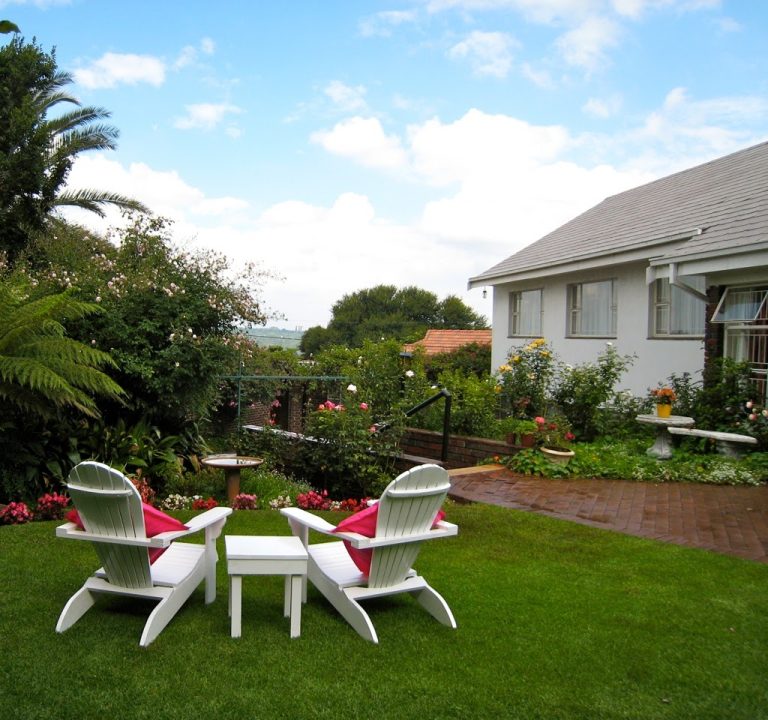
- Request a quiet room if you are sensitive to street noise, or ask for a room facing a courtyard or garden when possible.
- Use reputable transport options, and know the approximate travel times between your base and your must‑see spots.
- Plan for at least one flexible day to explore a new district or a recommended local experience you might not discover online.
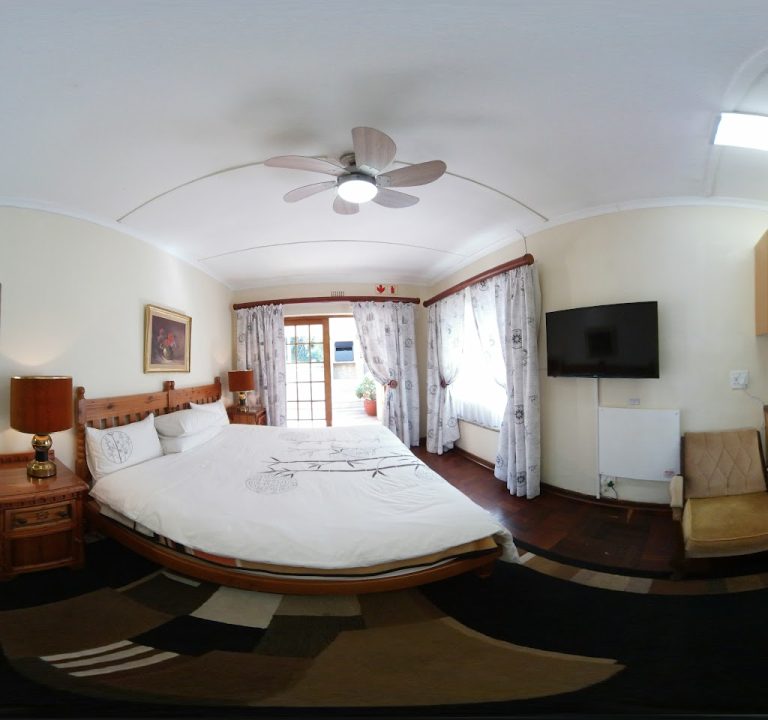
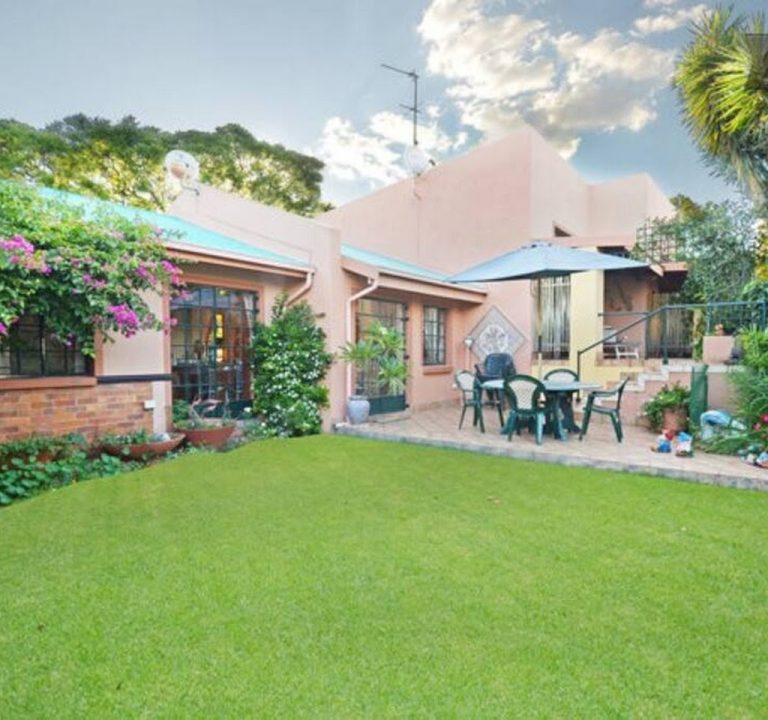
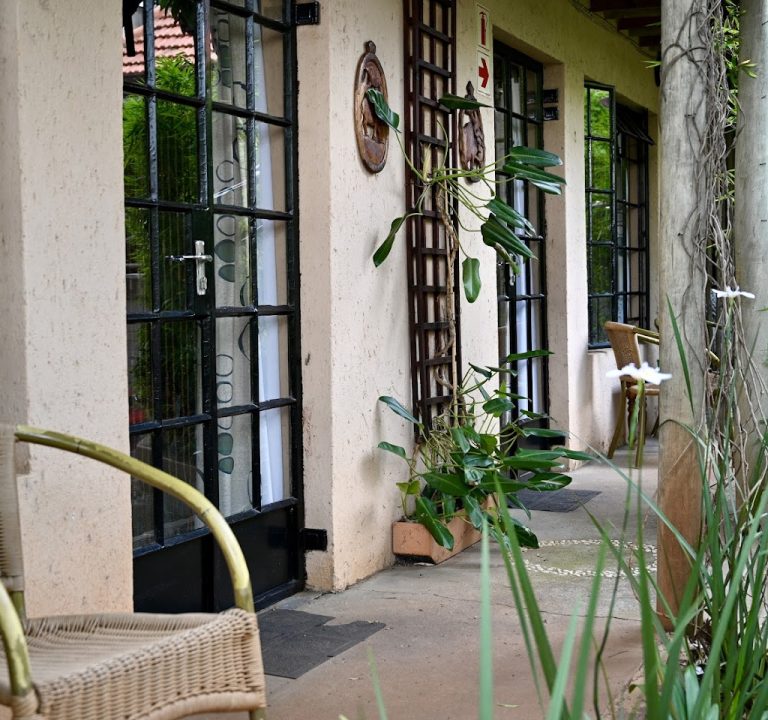
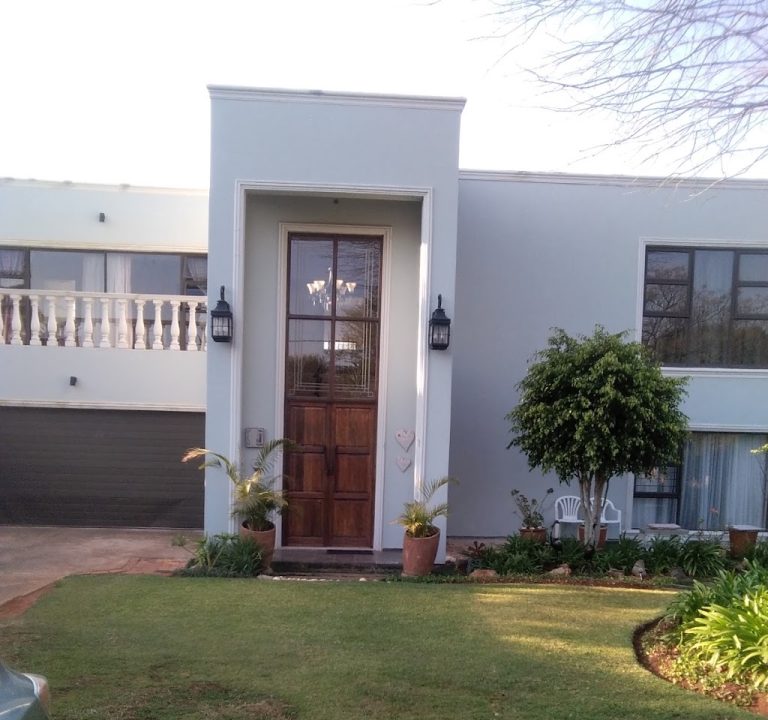
A memorable option to consider is a guest house with a personal, local touch—such as Jojendi Guest Suites—offering a comfortable stay in a welcoming setting. While each property has its own character, the right choice will combine comfort, security, and thoughtful touches that make your Johannesburg stay feel effortless and enriching. For inspiration, browse guest houses in the area, consider proximity to public transport, and review recent guest feedback to gauge the quality of service and atmosphere. If you are looking for a longer stay or a specific neighbourhood vibe, contacting properties directly or browsing official booking sites can help you tailor your itinerary to your interests.