Exploring Johannesburg: Where to Stay and What to Do
Johannesburg, Gauteng, is a sprawling city that blends modern business hubs with distinctive neighbourhoods, cultural experiences and a thriving dining scene. When planning a stay, consider the mix of hotel chains, boutique guesthouses and self‑contained flats that can suit different budgets and styles. The choice of area influences your pace of travel, access to sights and the character of your evenings, so it is worth thinking about what you want from your visit—quiet mornings, easy access to business districts, or lively street life.
Key areas to consider include the northern precincts for convenience and security, such as Sandton and Rosebank, where large modern hotels sit alongside stylish eateries and shopping. For a more residential, leafy feel with a compact village vibe, Linden, Parktown and Melville offer guesthouses and BnBs with a warmer, homely atmosphere. The downtown and Maboneng Precinct attract visitors seeking a creative, urban experience with galleries, markets and vibrant street life. Each area has its own rhythm, so plan a mix of overnight stays or select a well‑located base to minimise daily travel.
When choosing accommodation, look for practical features that support a comfortable stay. Reliable Wi‑Fi is essential for any business or planning work, a well‑equipped kitchen or breakfast option can save time in the mornings, and secure on‑site parking is a common priority for travellers with a car. If you prefer a more personal touch, guesthouses and boutique BnBs often offer hosts who can help with personalised recommendations, local transport tips and arranged experiences. For families, larger rooms or suites, quiet rooms, and easy access to parks or parkside walks can be important considerations.
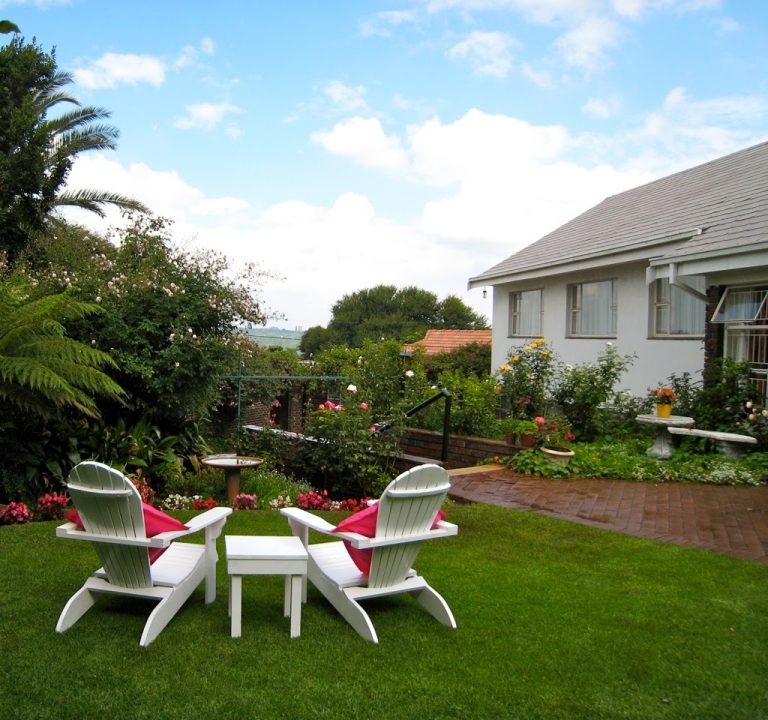
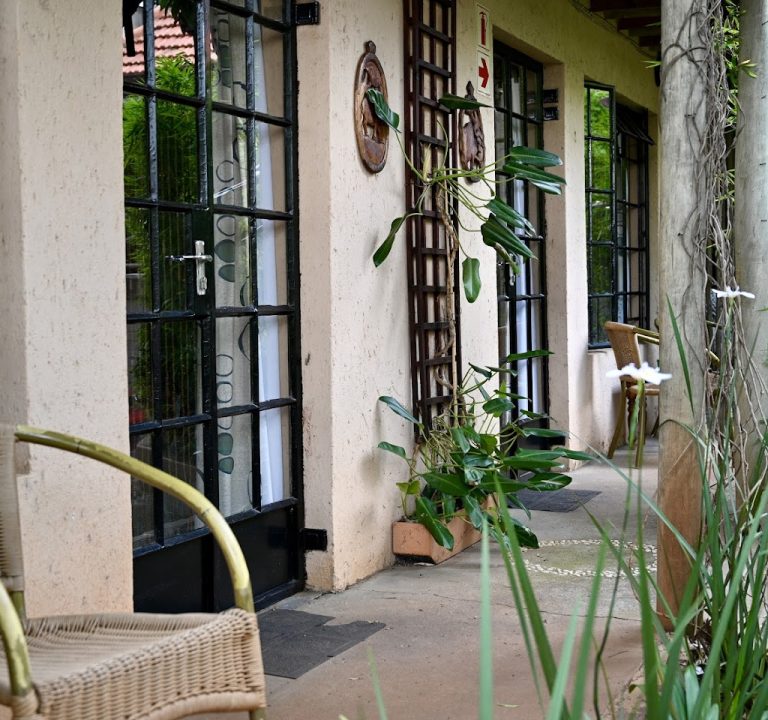
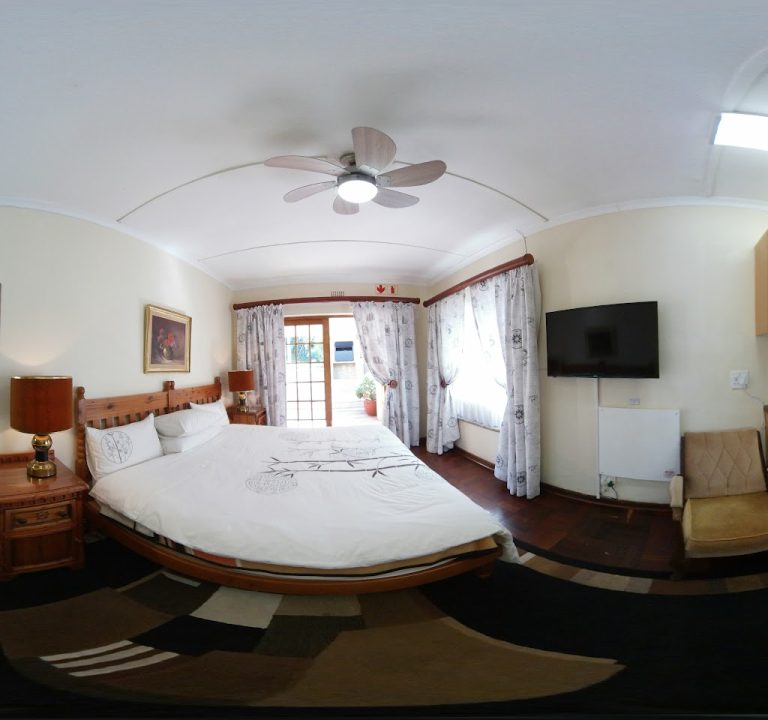
Typical amenities to expect include comfortable beds, private or en‑suite bathrooms, adequate heating or air conditioning, and a practical workspace or desk. You may find guesthouses offering generous communal spaces, kitchen access, and leafy outdoor areas. Some properties emphasise eco‑friendly practices, solar power for energy efficiency, or community initiatives, which can be a pleasant feature if you value sustainable travel. If you are visiting during the warmer months, a shaded veranda, pool or garden seating can be a real plus. Always check the cancellation policy and any access restrictions, especially if your plans may change.
Transport and getting around Johannesburg is a practical part of planning your days. The city operates a network of rideshare services and car hire, and many guests choose a base with easy road access to the northern and eastern suburbs. If you prefer not to drive, look for accommodation near reliable taxi or ride‑hailing access, and consider staying close to a Gautrain station for quick trips to the suburbs and Johannesburg’s international airport corridor. In general, weekday travel can be busier in peak hours, so it helps to map routes in advance and allow extra time for longer journeys during busy periods.
The best time to visit Johannesburg is generally during the dry, cooler winter months from May to August when daytime temperatures are comfortable and rainfall is lower. If you are drawn to the city’s outdoor dining and markets, late spring and early autumn can be pleasant. Keep in mind that winter nights can be chilly, so pack layers and a warm jacket for evenings out. For those seeking a more relaxed pace, midweek stays can offer quieter streets and better value at some properties.
Plan a balanced itinerary that blends culture, nature and gastronomy. While it is best not to rely on one single attraction, the city offers a spectrum of possibilities—from vibrant markets and museums to parkland trails and nearby nature reserves. In the evenings, Johannesburg’s dining scene ranges from modern bistros to traditional South African cuisine in relaxed settings. Many venues offer casual atmospheres where you can sample shared plates and local wines, or enjoy a quieter meal at a stylish cafe. If you enjoy coffee culture, you’ll find a wide mix of neighbourhood cafés that provide a sense of local life and a chance to observe daily rhythms of the city.
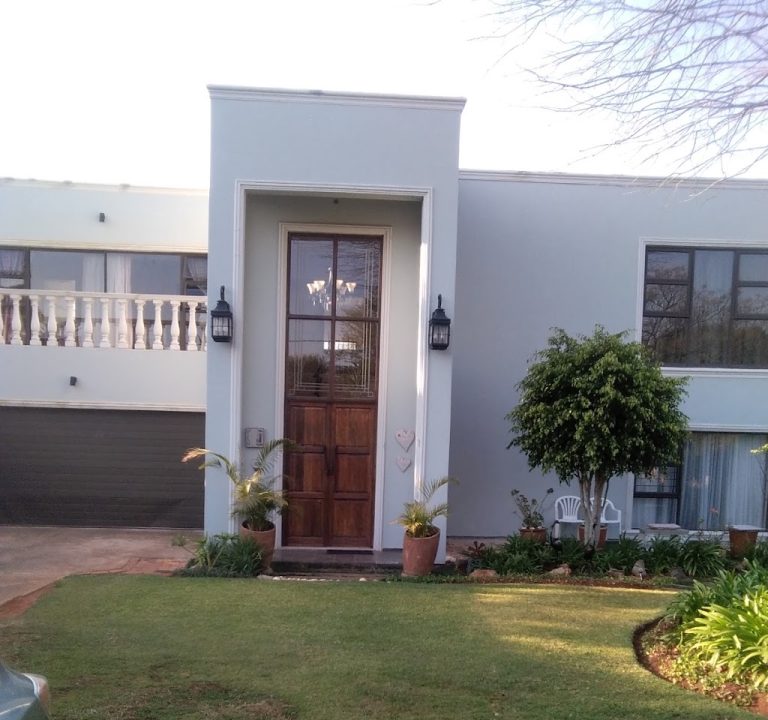
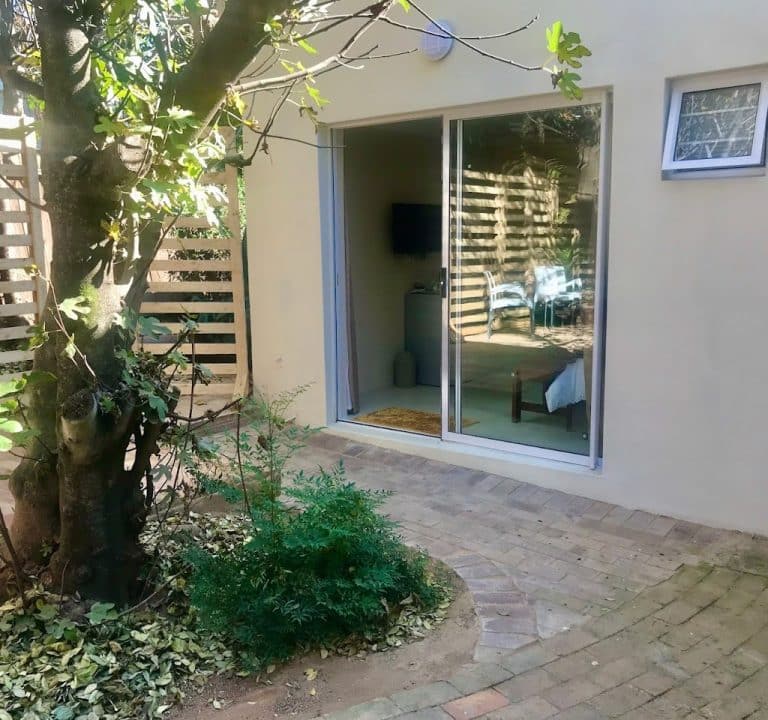
Accommodation examples, such as Eaglesnest Linden Guesthouse, emphasise a personal touch and a comfortable, homely atmosphere in a convenient Linden location. Visitors can expect well‑appointed rooms, thoughtful details, and easy access to both city and suburban amenities. If you are researching options, you can explore the property’s website for style cues, room configurations and the general guest experience, and compare with other stays in nearby Parkview, Linden or Melville to gauge balance between price, proximity and character. For most guests, short stays with a mix of local exploration and downtime at the property tend to provide the best overall experience.
- Neighbourhood character and pace
- Ease of access to transport links
- Clear cancellation policies and flexible booking terms
- Reliable Wi‑Fi and work‑friendly spaces
- Friendly and informative hosts or staff
When booking, read recent guest reviews for real‑world insights about noise, cleanliness and service. Confirm what is included in breakfast or access to kitchen facilities, and whether there are any additional charges for parking or late check‑in. Finally, keep a flexible mindset: Johannesburg’s energy lies in its variety, so a well‑chosen base can support a dynamic itinerary of sights, tastes and neighbourhood discoveries, making the most of your stay in Gauteng.
For more information about a particular guesthouse, including Eaglesnest Linden Guesthouse, visit their official site at the provided link. This can offer a helpful snapshot of room types, common spaces and nearby attractions, aiding your planning as you shape your Johannesburg stay.