Johannesburg: Accommodation and a practical guide for visitors
Johannesburg is a vibrant gateway to Gauteng, offering a broad spectrum of places to stay that suit every style and budget. From boutique guesthouses tucked in leafy northern suburbs to contemporary hotels near the buzz of the city centre, the key is choosing a base that aligns with your plans. If you are exploring museums and historical sites, or enjoying the restaurant and arts scenes, a well-chosen neighbourhood can save time and improve your overall experience.
When planning a stay, think about what you want to do each day and how you will move around. The city’s layout is diverse, so consider staying in a neighbourhood that minimises daily commutes to your priorities. If you are visiting for business, access to major commercial hubs may be a priority; for culture and dining, a district with easy walkability and a lively street scene could be more appealing. South Africa’s weather also influences your plans, with the dry winter period typically offering clearer days for outdoor activities and safaris in surrounding regions.
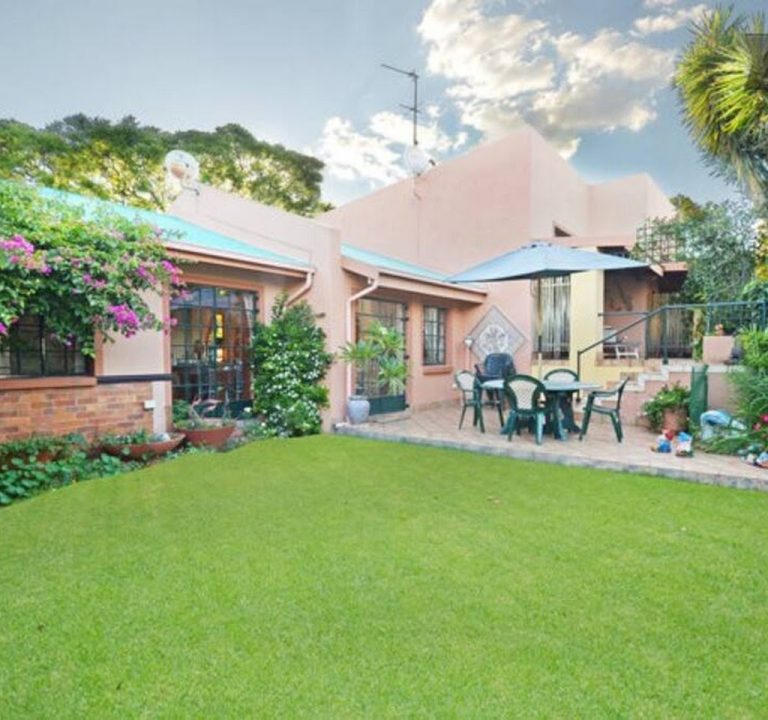
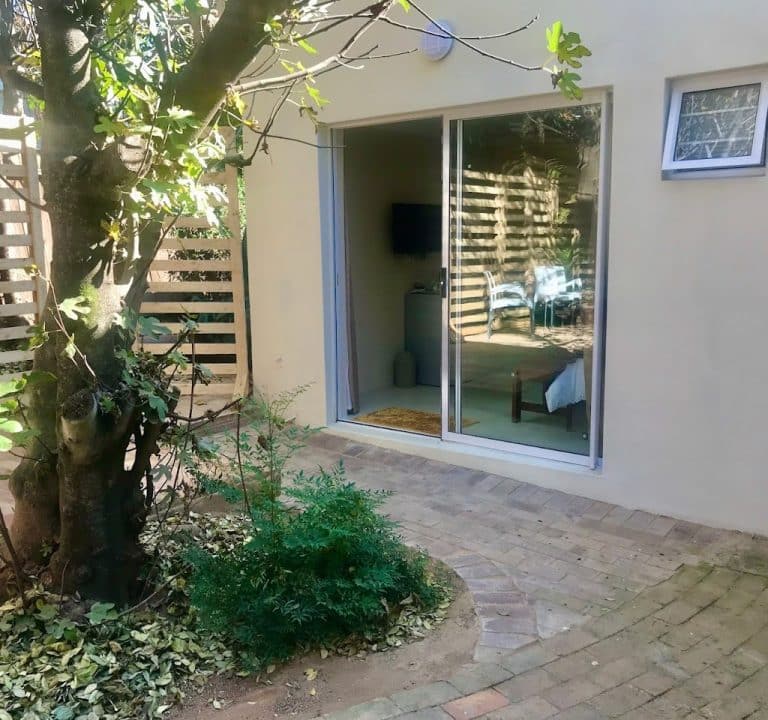
Accommodation options in Johannesburg range from stylish boutique hotels to well-equipped guesthouses and family-run lodges. Many properties in popular areas provide modern comforts such as reliable Wi-Fi, air conditioning, on-site dining options, and secure parking. It is common to find rooms with en-suite bathrooms, generous breakfast offerings, and helpful staff who can arrange guided tours or private transfers. If you favour a more intimate stay, look for guesthouses or boutique hotels with personalised service and a sense of place. For families or groups, self-catering apartments and lodges with kitchen facilities can be practical and cost-effective.
Nearby transport is an important consideration. The Gautrain offers fast, direct connections to major hubs including Sandton and Pretoria, while Metro or local bus services cover several city districts. Taxis and ride-hailing apps are widely available, and many accommodation providers can arrange transfers or private drivers. If you plan day trips outside the city—such as to nearby wildlife reserves or historical townships— discuss logistics with your host or hotel concierge to keep travel times predictable.
Areas to consider, depending on your interests, include:
- Sandton: a business and shopping hub with modern hotels and easy access to highways; convenient for meetings and upscale dining.
- Rosebank and Melrose: excellent for shopping, galleries, markets, and a lively dining scene, with a mix of boutique hotels and guesthouses.
- Johannesburg CBD: a focal point for culture, architecture and city life, with a range of accommodation that often offers good value and easy access to public transport.
- Braamfontein and Maboneng: trendy, artsy districts with boutique stays and a walkable street life, ideal for exploring food markets and contemporary galleries.
- Soweto and surrounding townships: for guided historical tours and authentic community experiences, often paired with intimate lodges or guesthouses that support local initiatives.
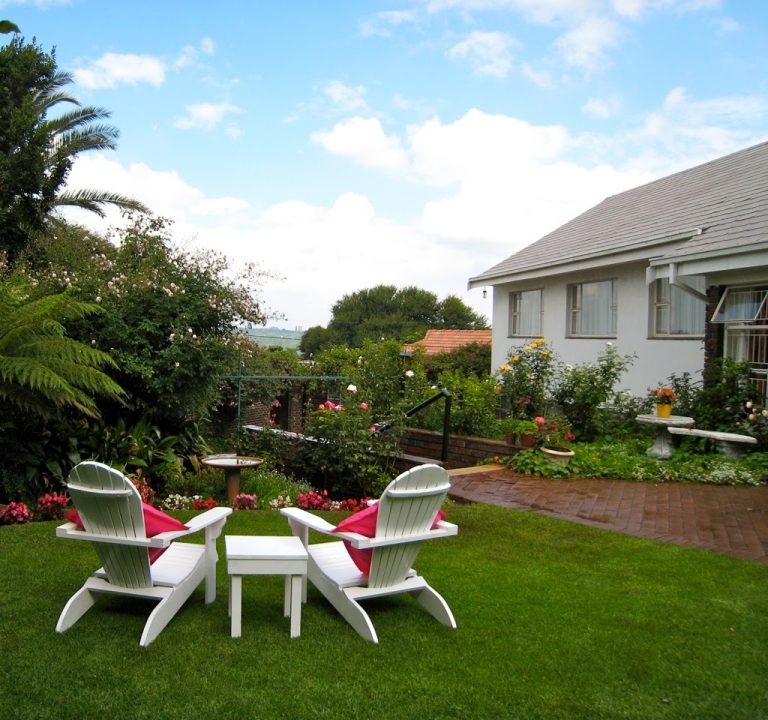
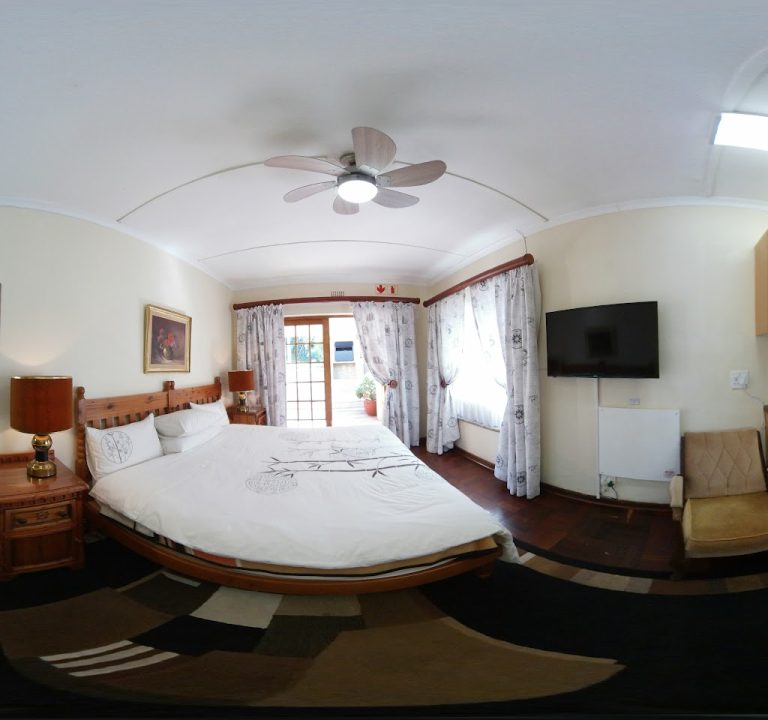
Typical amenities to look for include reliable Wi-Fi, 24-hour reception or secure access, breakfast options, and on-site dining or easy access to nearby eateries. Many properties provide clean, well-appointed rooms with comfortable bedding, private bathrooms, and good natural light. If you’re staying for several days, a kitchenette or shared kitchen space can be a practical touch, as can access to laundry facilities. An inviting common area or outdoor space is a bonus, particularly if you’re travelling in warmer months and want a place to relax after a day of sightseeing.
Dining and attractions are plentiful in Johannesburg, and most visitors enjoy a mix of museums, monuments and parks, plus a thriving food scene. Consider starting with a city orientation to understand the layout and to plan routes between highlights. For a taste of local life, a guided township or heritage tour can offer context and insight, while afternoon coffee or a casual meal in a neighbourhood cafe can be pleasant ways to pace your itinerary. While major attractions are popular, you may also discover smaller cultural venues and contemporary art spaces in the inner-city districts, which often showcase local talent and rotating exhibitions.
Timing is wise for planning. The southern hemisphere climate makes the dry winter months from May to September especially comfortable for outdoor activities and sightseeing. Summer can bring afternoon showers, so a lightweight rain jacket is useful. If you intend to visit popular markets or outdoor spaces, weekday visits can be more relaxed than weekend outings. Always allow some flexibility in your schedule to accommodate weather, traffic, or a memorable street-side dining recommendation.
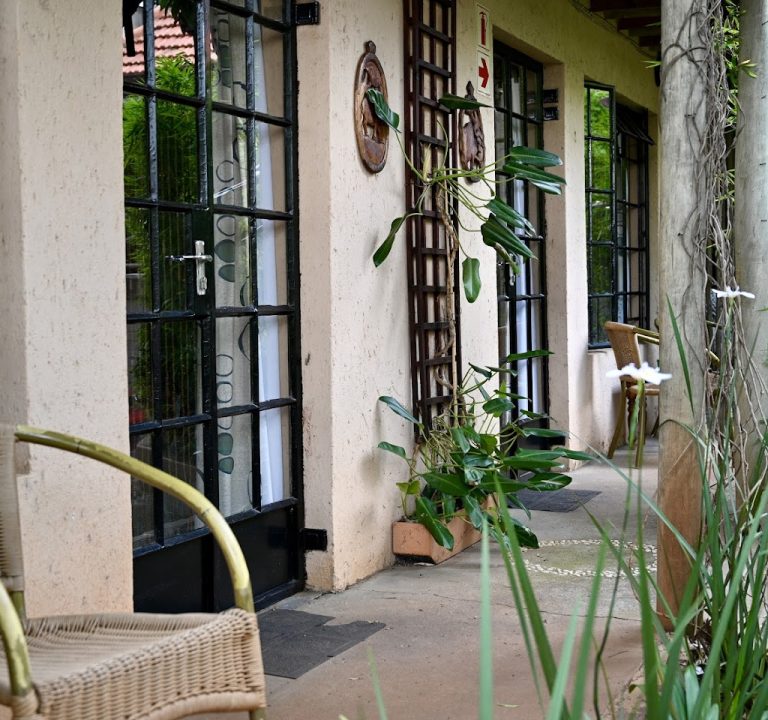
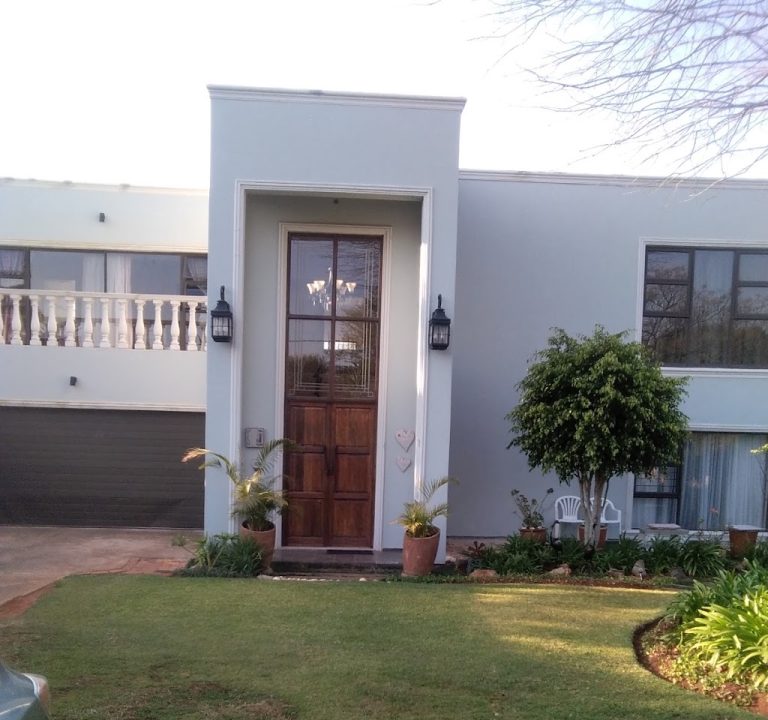
One contemporary option to consider is Kulanga Cottages, a well-regarded choice for travellers seeking a calm, well-appointed stay within easy reach of Johannesburg’s city and northern suburbs. The property typically offers modern rooms, convenient amenities, and a location that can suit a range of itineraries. For more information, you can visit their official site at Kulanga Cottages.
Finally, practical tips to help you get the most from your Johannesburg visit:
- Pack comfortable walking shoes and a light layer for temperature changes between morning and evening.
- Check the accessibility of your accommodation and nearby transport options, especially if you plan to travel late or with a group.
- Choose accommodation with clear safety guidelines and on-site staff who can advise on reputable, nearby eateries and attractions.
- Water conservation and energy-saving habits are common in hospitality settings; consider supporting properties that emphasise sustainability.